
Last updated November 5, 2026
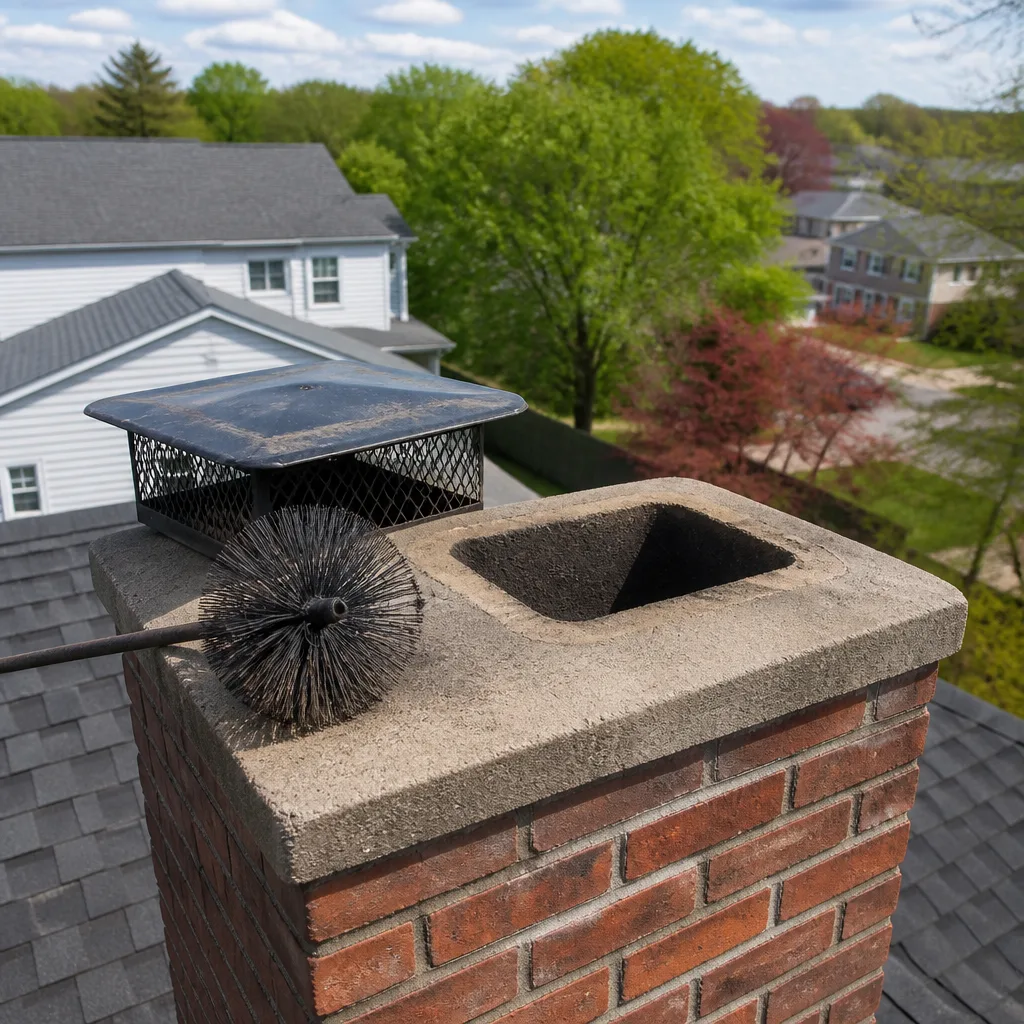 Sweep & inspection
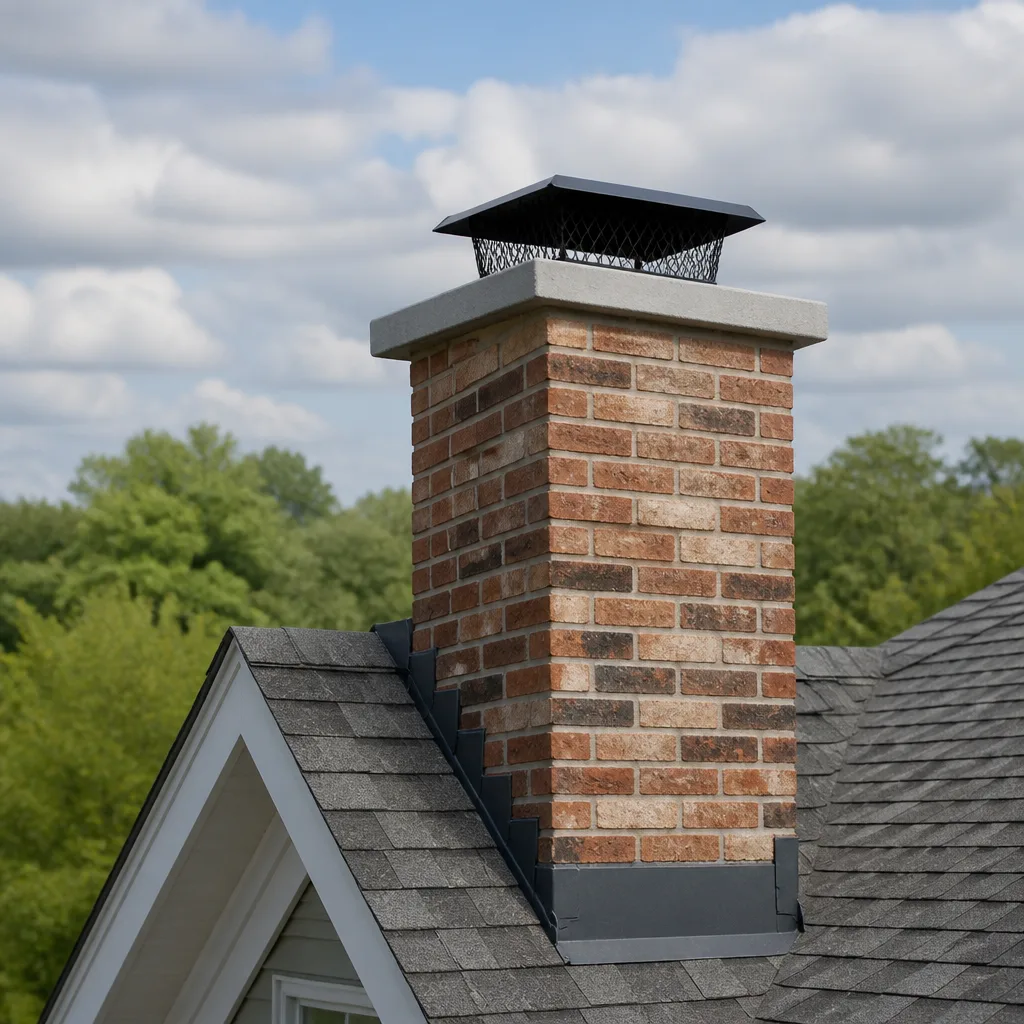 Caps & crowns
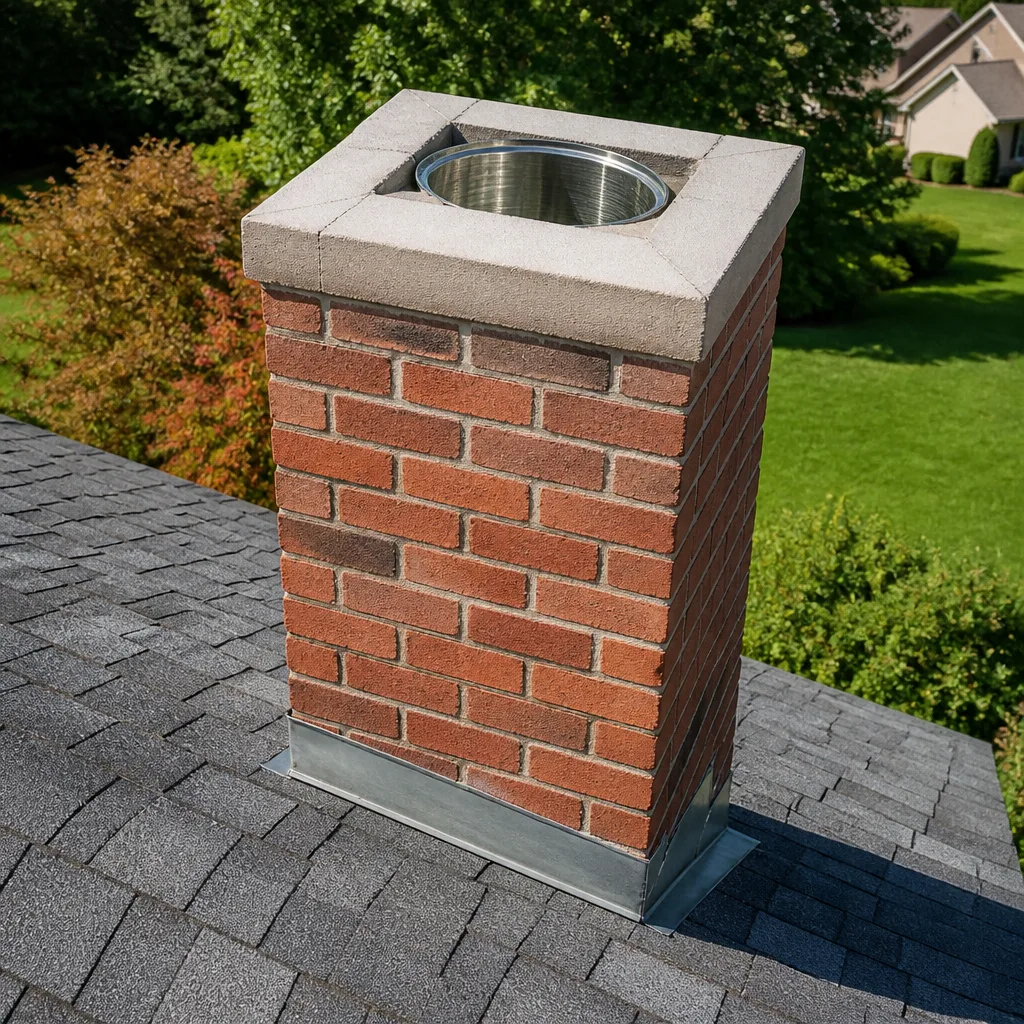 Flue relining
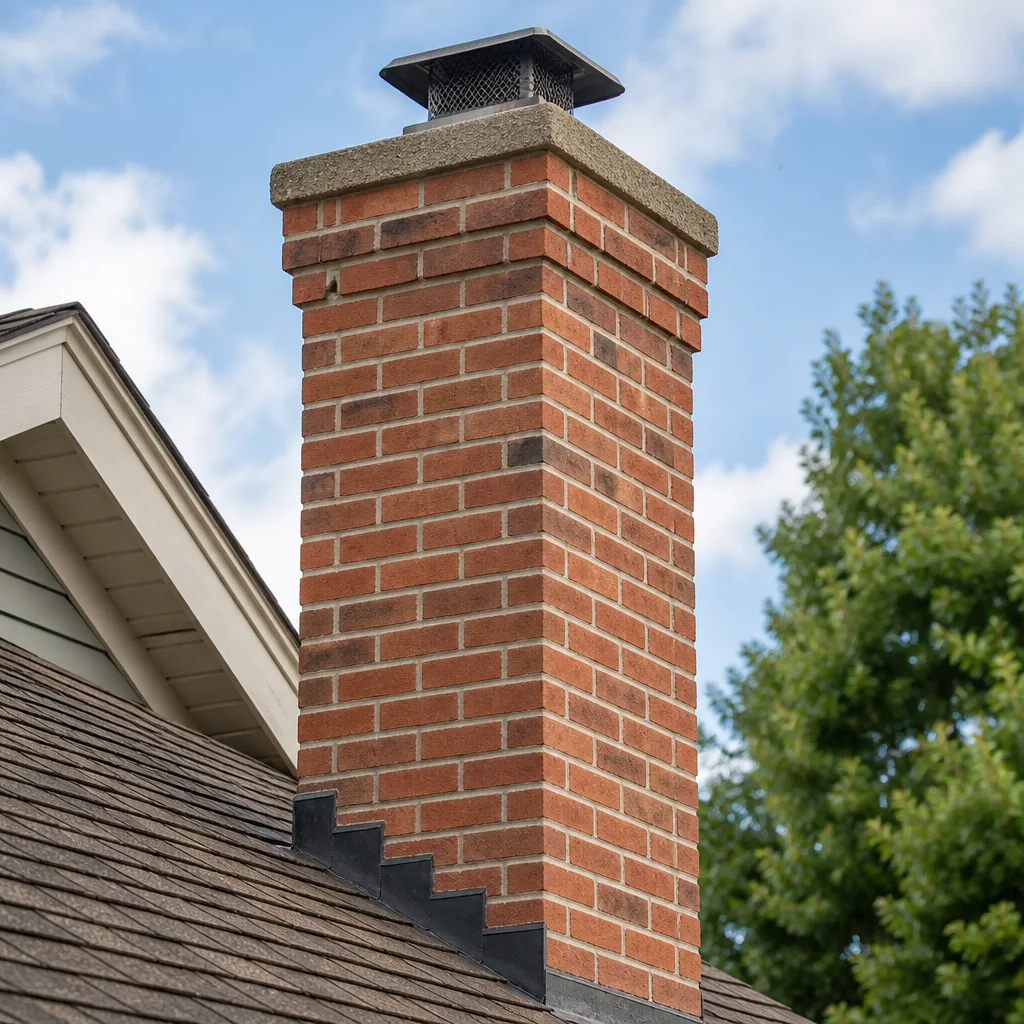 Masonry repair
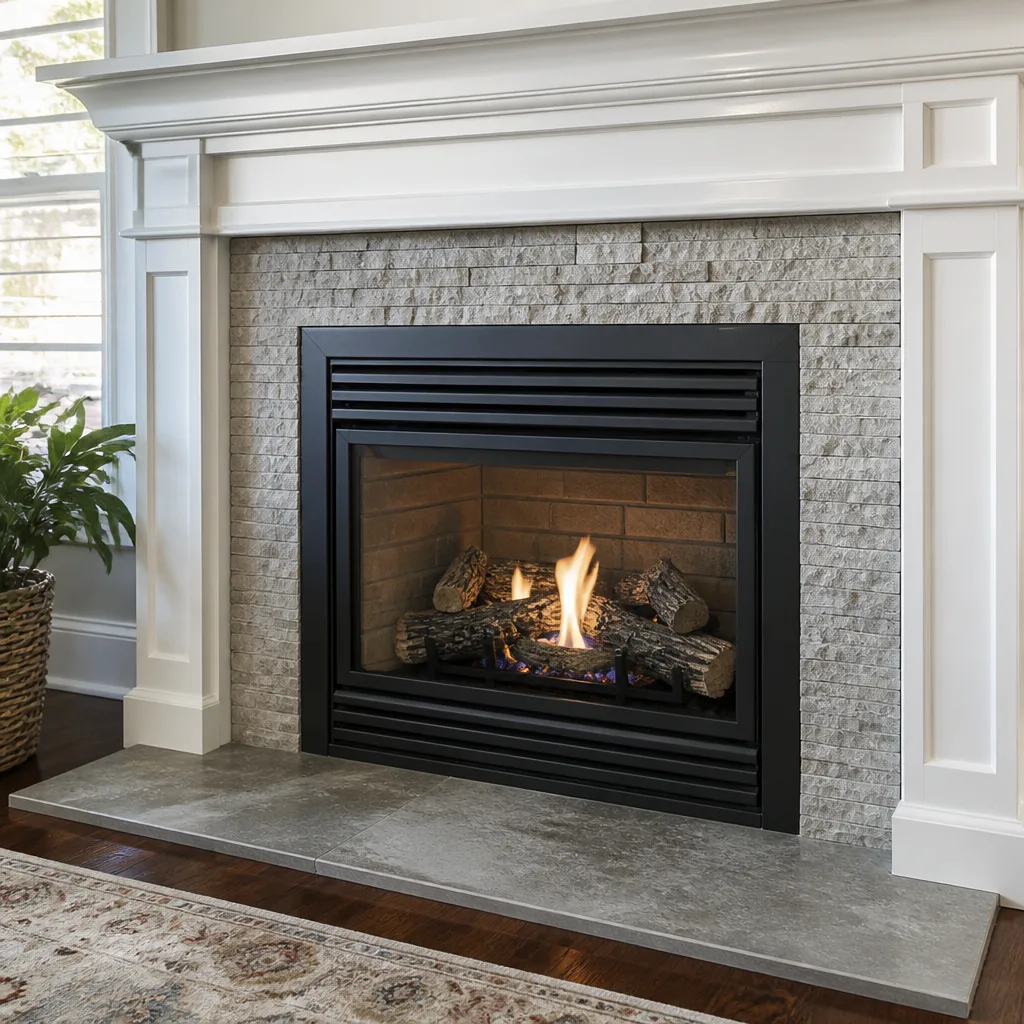 Gas fireplace service
Level 1 sweep and inspection to the NFPA 211 annual standard - flue, crown, cap, and flashing checked and photographed
Chimney sweep logs do not sweep chimneys. They loosen some creosote - which then falls where a brush and vacuum still have to collect it.
The Complete Guide to Chimney Cleaning in Fashion District
Most Fashion District homeowners have never had their chimney inspected. Not because they don’t use the fireplace, but because they assume a fireplace that “works” is a fireplace that’s safe. That assumption is where chimney fires start. In this guide, we’ll walk through what actually happens inside a flue in this neighborhood, why older buildings here present specific challenges, how LA’s air regulations play into accumulation patterns, and what a proper cleaning in Fashion District should include before anyone lights a match.
Styles & brands we work with
- Sweep & inspection
- Caps & crowns
- Flue relining
- Masonry repair
- Gas fireplace service
Quick Answer
Chimney cleaning in Fashion District is a system-level service that clears creosote, soot, and debris from the flue using professional rotary tools, then verifies the entire system with a camera inspection. The cost typically falls between $189 and $350 depending on flue length, access, and whether you have a wood-burning, gas-converted, or decorative chase. Any company you hire should inspect before and after cleaning, because clearing the inside of a flue without understanding the outside condition misses the actual hazard.
Table of Contents
- Why Fashion District Chimneys Accumulate Differently
- Types of Chimneys and Why Cleaning Protocol Differs
- What Happens During a Professional Chimney Cleaning
- Level 1, Level 2, and Level 3 Inspections Explained
- The Scam Risk in Dense Urban Markets
- Dryer Vents and the Overlooked Fire Risk
- Common Mistakes to Avoid
- When to Call a Professional
- Frequently Asked Questions
- The Bottom Line
Why Fashion District Chimneys Accumulate Differently
A chimney in Fashion District does not behave like a chimney in the Hollywood Hills or a ranch house in the Valley. The building stock matters. Much of this neighborhood is older, dense, and mixed-use. You have converted lofts, pre-war brick buildings, and century-old row structures all sharing walls. Flues in these buildings are often internal, shared, or routed through offsets that make them longer and harder to access than a straight-up residential pipe. Longer and offset flue runs mean smoke moves slower, cools sooner, and drops more creosote along the interior walls. That’s just physics.
The second local factor is how the fireplace is actually used. In Fashion District, fireplaces rarely serve as primary heat. Winters are mild. What we typically see is a fireplace that gets lit a handful of times each season, often for ambiance. That sounds harmless. But infrequent fires produce lower, cooler burns. Creosote accumulates in stages. A hot fire pushing full draft helps keep the flue cleaner. A low, decorative fire with less airflow deposits creosote faster. So a lightly used fireplace can be dirtier than a heavily used wood stove, which surprises most owners.
LA air rules are the third variable. SCAQMD Spare the Air restrictions limit wood burning on designated no-burn days. The practical effect is that homeowners burn less overall, but when they do burn, it’s often during an evening that feels special. The result we see in this specific zip code is intermittent use patterns that confuse owners. They assume “low use equals clean.” Usually the opposite is true, because the deposits sit longer between cleanings and harden into a glaze that’s harder to remove with a standard brush.
Types of Chimneys and Why Cleaning Protocol Differs
Before anyone puts a brush in your flue, the technician has to know what kind of system they’re actually working on. In Fashion District, we see more variety than almost anywhere else in the city because the buildings were modified so many times over the decades. There are three broad categories.
True wood-burning systems. These are the rarest in this neighborhood but they exist, particularly in older residential buildings that predate the gas conversion wave. These systems produce actual creosote, need full clearing, and should be swept annually if used at all during the season.
Gas-converted systems. Many original masonry wood-burning fireplaces in Fashion District were later converted to gas log sets. This is important: a gas log set still vents up the flue. Combustion byproducts from gas are different from creosote – lighter, more acidic, and still capable of damaging the flue liner over time. But the cleaning protocol is different, and the inspection priorities shift. We’re looking for condensation damage, liner spalling, and improper conversion details, not stage-three creosote glaze.
Purely decorative chases. Some loft conversions have what looks like a chimney from the outside but is actually a framed chase around a factory-built pipe or, worse, nothing at all behind the drywall. A decorative chase can’t be cleaned with standard methods because there’s no functional flue. But it still needs inspection. The chase can collect debris, become a rodent path, or conceal a deteriorating metal pipe capped years ago.
We won’t run a brush through a system we haven’t identified first. The wrong protocol on the wrong system doesn’t just waste time; it can damage the liner, push debris into the home through a compromised mortar joint, or miss the actual issue entirely. That’s why a proper chimney sweep in this neighborhood starts with identification, not with a tool.
What Happens During a Professional Chimney Cleaning
A real cleaning in Fashion District follows a sequence. If someone arrives, looks up the flue, and starts scrubbing, you’re not getting the service you’re paying for. Here’s what should happen, step by step.
- System identification. The technician verifies whether the flue is wood-burning, gas-converted, or decorative, and confirms the venting configuration. In older Fashion District buildings, this often means checking for shared walls and offset flue paths.
- Interior protection. Drop cloths and door covers are laid between the work area and the living space. In older units with open lofts, protecting surfaces matters more than in a garage-adjacent fireplace setup.
- Top-down or bottom-up access. Depending on the building, access may be from the roof or from inside the firebox. Older row buildings in Fashion District sometimes have roof access issues – flat roofs, adjacent structures, or parapet walls that change the approach.
- Rotary cleaning. Professional rotary systems use spinning whip heads that scrub the full circumference of the flue, not just the broad walls that a flat brush catches. In offset urban flue runs, this matters. A standard brush can miss the corners and the inside edges of bends where creosote builds hardest. Rotary heads flex to follow the flue path and remove stage-two and stage-three deposits more completely.
- Creosote removal and debris containment. A high-powered vacuum runs during the process to capture what the whip knocks loose. The vacuum should have a HEPA filter or fine-particle rating so soot doesn’t circulate back into the room.
- Camera inspection. After the flue is clear, a small camera goes up the chimney. This is the uncut truth. We can see hairline cracks, spalled liner sections, animal nests, and structural gaps that a brush can’t reveal and an eye can’t see from below.
- Report and recommendation. You get a photo report showing what we found. If a repair is needed, we can show you exactly where and why. If no repair is needed, you know that for a fact, not as a guess.
The difference between this process and what some operators call a cleaning is the inspection step. Clearing soot without inspecting the system is like rotating tires without looking at the brake pads. You’ve done something. You haven’t verified anything.
Level 1, Level 2, and Level 3 Inspections Explained
The chimney industry uses a three-tier inspection standard from the CSIA and NFPA 211. Most Fashion District homeowners need either a Level 1 or Level 2. Almost no one needs a Level 3, and any company pushing one without a specific reason should be questioned.
Level 1 inspection happens when the system has no changes and no known problems. We check the readily accessible portions of the chimney, the firebox, the damper, and the basic structural condition. If you’ve had annual cleanings and nothing has changed, a Level 1 is typically sufficient.
Level 2 inspection is required when there’s a change: you bought the property, the chimney had a fire event, the building had an earthquake, or you’ve switched fuels – for example, a gas log set replaced a wood burner, or vice versa. A Level 2 includes everything in Level 1 plus accessible attic, crawlspace, and roof portions, and it typically involves the camera. In Fashion District, where buildings are old and have changed hands repeatedly, a Level 2 is the pragmatic baseline. You’re inheriting someone else’s decisions, and you should see what they did.
Level 3 inspection means removing building components – drywall, masonry, or the chimney crown – to access hidden sections. This only happens when a Level 2 finds something that requires a closer look. No one should recommend a Level 3 as a first step.
When we quote a chimney cleaning in Fashion District, we tell you which inspection level the work includes and why. If you’re buying a loft, ask for a Level 2. If you’ve owned the place for years and nothing has changed, a Level 1 with your sweep is adequate. If someone is pressuring you toward a Level 3 with no clear reason, get a second opinion.
The Scam Risk in Dense Urban Markets
Dense urban areas have a specific problem: door-knock and mailer sweeps that offer a $49 or $79 “chimney cleaning” and then “discover” thousands of dollars of masonry or liner work. This is common enough in Fashion District that we address it directly. You should know what a legitimate recommendation looks like.
A real finding comes with evidence you can see. If we tell you the flue liner is cracked, we show you the camera footage. If we say the masonry chimney is separating from the building, we show you the gap. If we recommend a repair, we explain what happens if you wait, and we’ll tell you plainly when a repair can be deferred.
Some honest findings do lead to real cost. A Fireside Chimney Sweep technician may find a deteriorated flue liner that needs resurfacing or a full reline. We work with professional-grade materials for those jobs – HeatShield for resurfacing, DuraFlex for relining – not off-the-shelf substitutes. Those solutions exist because some chimneys genuinely cannot be safely used without them. The difference is that we can put the camera on the problem and show you what we’re seeing, and we’ll give you a written report you can keep.
You should also know that chimney repairs in this area are sometimes delayed safely and sometimes not. A hairline crack in a rarely used decorative fireplace is not the same risk as a gaping liner breach in a wood-burning system used weekly. We don’t treat them as equal, and we won’t tell you a five alarm problem exists in a zero alarm chimney.
Dryer Vents and the Overlooked Fire Risk
The NFPA documents dryer vent buildup as the leading cause of household dryer fires. That’s not a vague concern; it’s the single most common ignition source in a category people rarely think about. Lint accumulates inside the vent duct over time, especially in longer runs and those with bends. In older Fashion District buildings, dryer vents are often routed through walls and floors with multiple turns, installed before modern code limited total run length. Every turn catches more lint. Every extra foot of duct slows airflow. Lint sitting in a warm, slow-moving duct is kindling waiting for a spark from the dryer’s heating element.
Dryer vent cleaning is part of what Fireside Chimney Sweep offers, and we typically recommend it whenever we’re already in the building for a chimney job. The two systems share a logic: a concealed duct accumulates flammable material, and you can’t see it from the outside. A slow dryer cycle is the most common signal. If your dryer used to finish a load in 40 minutes and now takes an hour, that’s not the machine getting old in most cases – that’s the vent choking on buildup.
We clean dryer vents with a rotary auger and capture the debris rather than blowing it into the wall cavity. In older buildings, those wall cavities are shared and connected in ways that make loose lint a fire spread path. The work is quick, the camera confirms the result, and we’ll tell you if the duct itself is the problem rather than the buildup.
Common Mistakes to Avoid
- Assuming a rarely used fireplace is clean. Infrequent cool fires in Fashion District deposit creosote that hardens into glaze faster than regular hot fires. Low use is not the same as low risk.
- Hiring based on the cheapest coupon. The $49 sweep is routinely a loss leader for an upsell. A real cleaning with inspection equipment costs what it costs, and the quote should be transparent about what’s included.
- Skipping the camera inspection. You can’t see inside a flue with a flashlight. If there’s no camera, there’s no verification, and you’re making decisions on guesses.
- Treating a gas fireplace as maintenance-free. Gas logs still vent byproducts that can corrode liners and flue tiles. A gas-converted system in an older Fashion District building needs inspection at least as often as a wood burner.
- Ignoring slow dryer cycles. That extra 20 minutes is a signal the vent is filling with lint. Waiting until the machine complains just means the duct is more fully loaded when you finally clean it.
- Letting a handyman inspect a chimney. Generalists don’t carry rotary sweeps, cameras, or repair-grade components. A professional chimney company can both diagnose and fix what it finds, which matters when the finding is real.
- Postponing a recommended repair without asking what happens. Some repairs wait safely for a year. Others don’t. If a technician can’t answer the question, that’s your answer about their expertise.
When to Call a Professional
Call a chimney professional in Fashion District if you have not had the system inspected in the past year and you use it at all, if you’ve just bought the property, if you smell smoke in the room after the fire is out, if you see dark staining on the wall or ceiling near the chimney, if your gas log set produces an unusual odor, or if your dryer suddenly runs longer on every cycle. Any of those signs is a real signal, not a reason to panic, and a professional can tell you what it means in your specific building.
Fireside Chimney Sweep offers free estimates in Fashion District. Call (844) 963-3205. We answer 24/7. Fast dispatch from 7am to 7pm, Sunday through Friday.
Frequently Asked Questions
A standard chimney cleaning in Fashion District typically costs between $189 and $350, depending on flue length, roof access, and whether the system is wood-burning, gas-converted, or decorative. The written estimate sets the final price, and the estimate is free. Call (844) 963-3205 for an exact quote.
A chimney should be swept annually if the fireplace is used at all during the year, even if only occasionally. Infrequent cooler fires produce glaze-stage creosote that becomes harder to remove with each passing season. If you use a gas log set, an annual inspection is still warranted to check for condensation damage and liner wear.
Not always. Hairline cracks in a rarely used decorative system can sometimes be monitored and deferred. But a breached liner in a wood-burning flue is a fire risk that should be addressed. We can show you the exact footage and explain what would change if you wait. The written estimate and repair plan set the final scope.
Creosote keeps building until it reaches ignition temperature, at which point a chimney fire becomes possible. Early-stage buildup creates smoke rollback and odor. Later-stage deposits can ignite and crack the liner, opening a path for fire to reach surrounding framing. In an older Fashion District building with shared walls, that path can affect more than your own unit. The point of cleaning is to remove the fuel before any of that begins.
We don’t recommend it. Without a camera you can’t verify the result, and without rotary equipment you’ll miss the corners and offsets that hold the most dangerous deposits. Older Fashion District flues often have blind bends where a hardware-store brush simply doesn’t reach. Beyond effectiveness, working on a roof in this neighborhood involves access challenges that most homeowners should not be navigating with a ladder and a brush.
Yes, but the protocol is different. Gas systems don’t produce creosote, but they do produce condensation that can degrade the liner and mortar. The venting still needs to be clear for combustion gases to leave the home, and a gas leak or venting failure is dangerous in a different way. We treat gas-converted systems as inspection-first jobs, and we’ll tell you whether the flue needs mechanical cleaning or just verification.
The Bottom Line
Chimney cleaning in Fashion District is not a one-size task. The building stock is older, the flue runs are longer and more offset, and the usage patterns create creosote in ways most owners don’t expect. A real service includes system identification, rotary cleaning, camera inspection, and a straight answer about what was found. That’s how you avoid both false alarms and missed dangers. If you live in Fashion District and haven’t had a look inside your flue in the last year, the next step is a free estimate and an honest assessment. Call (844) 963-3205. We answer 24/7. Fast dispatch from 7am to 7pm, Sunday through Friday.
Written by the team at Fireside Chimney Sweep, serving Fashion District since 2012.
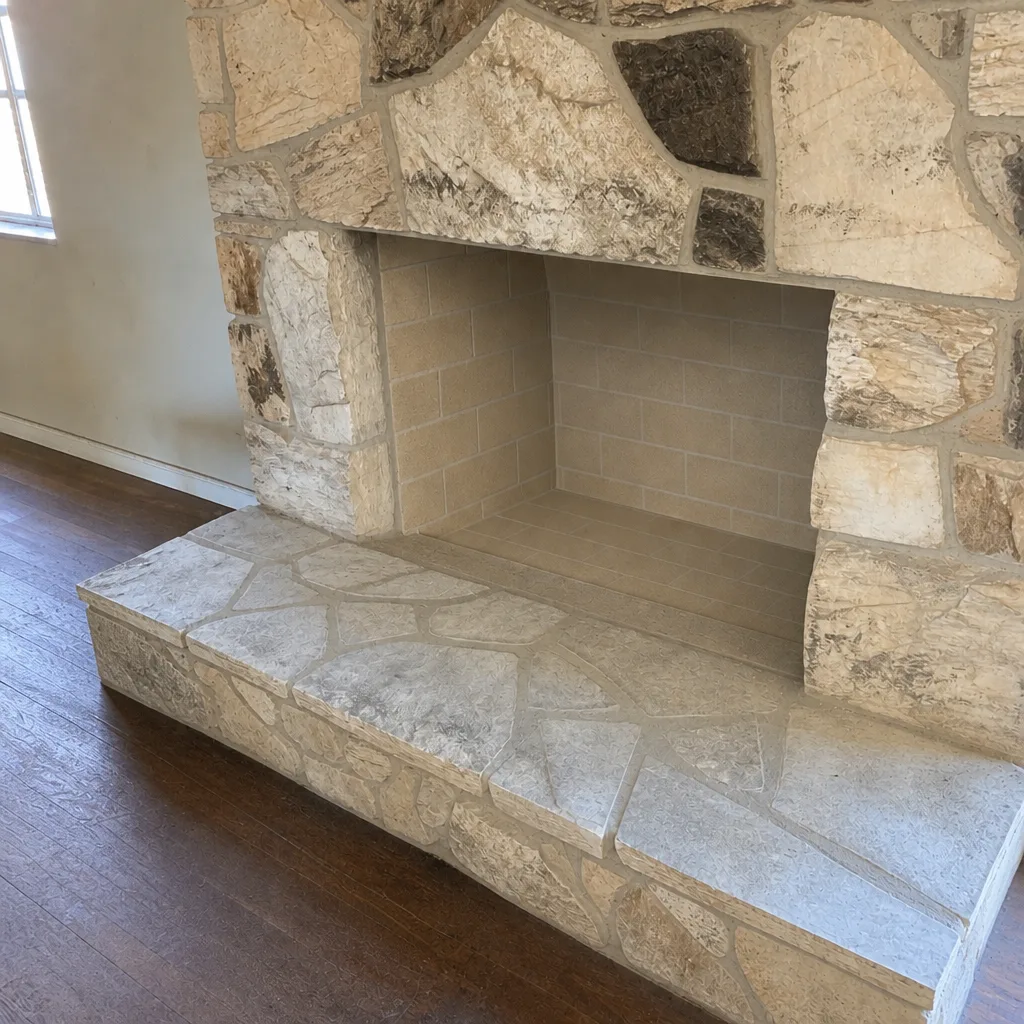
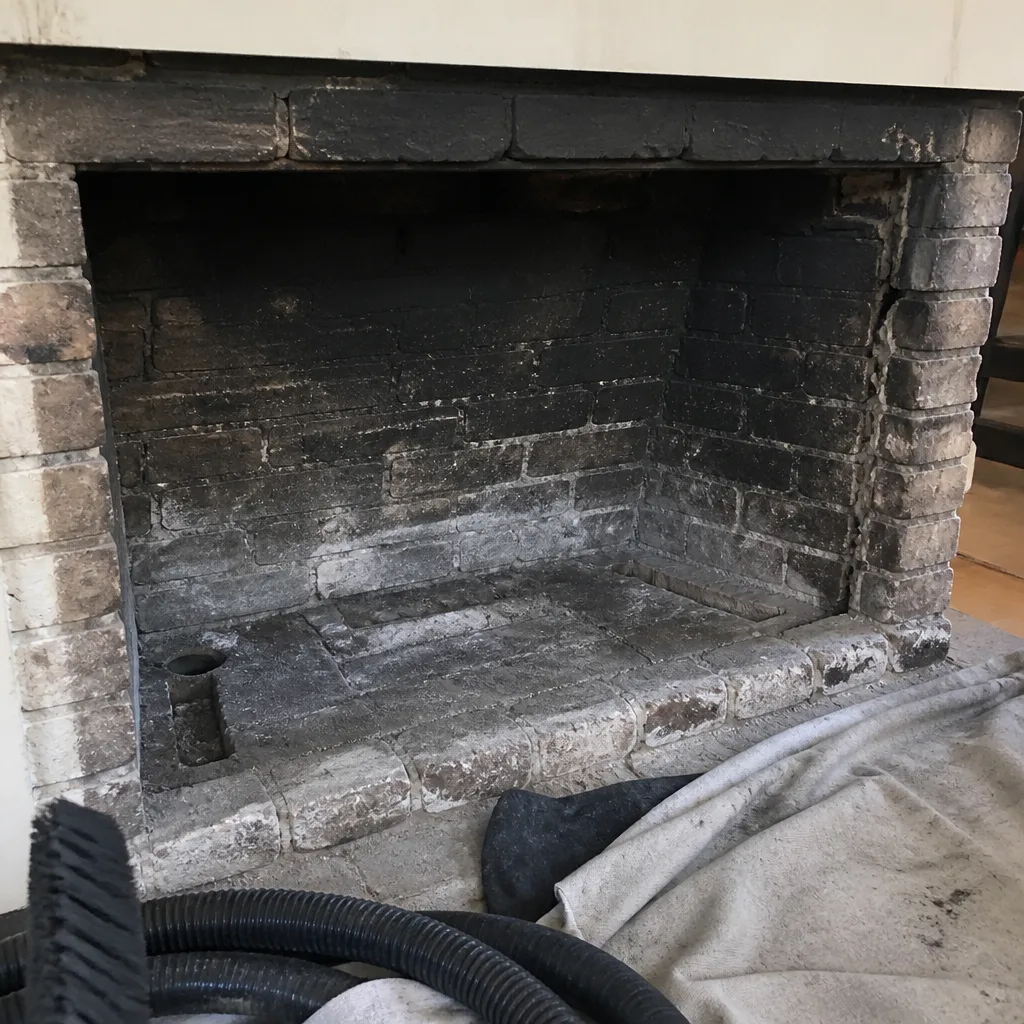
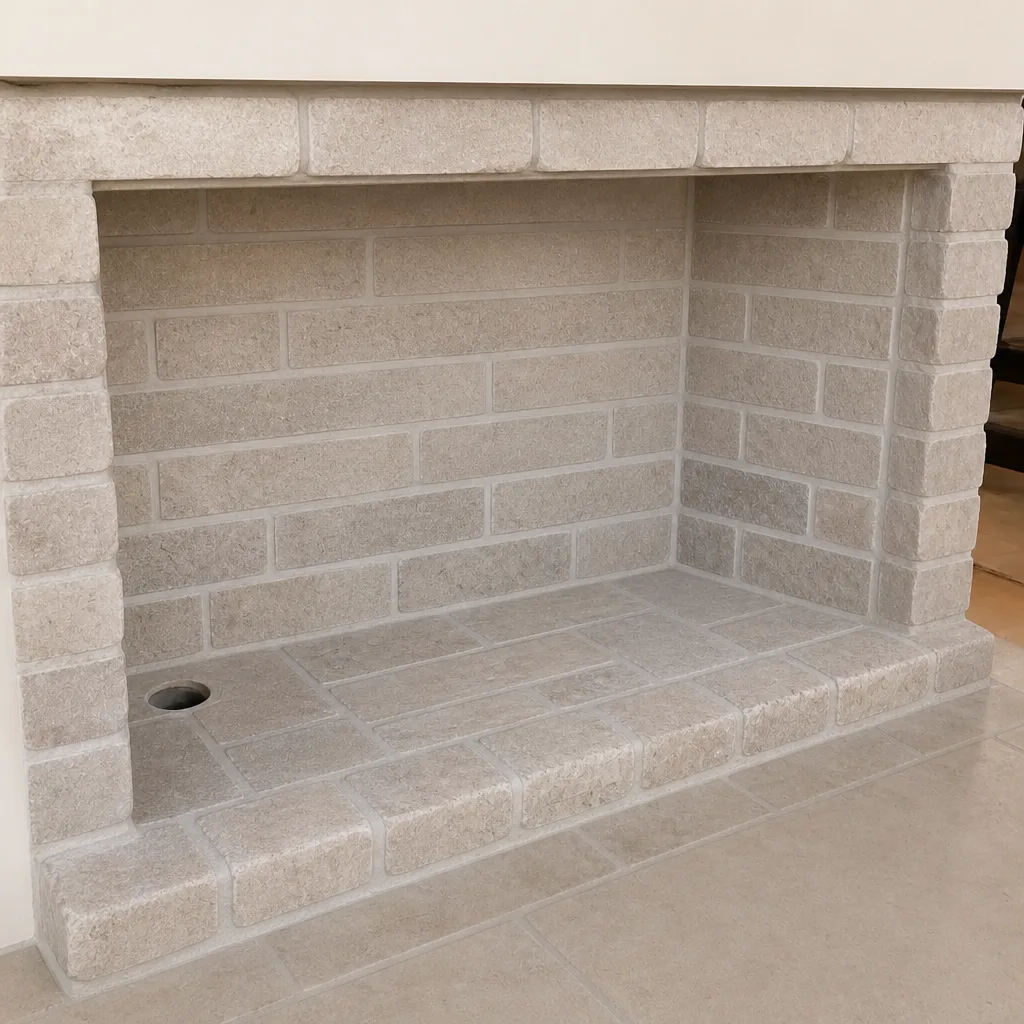
See the difference
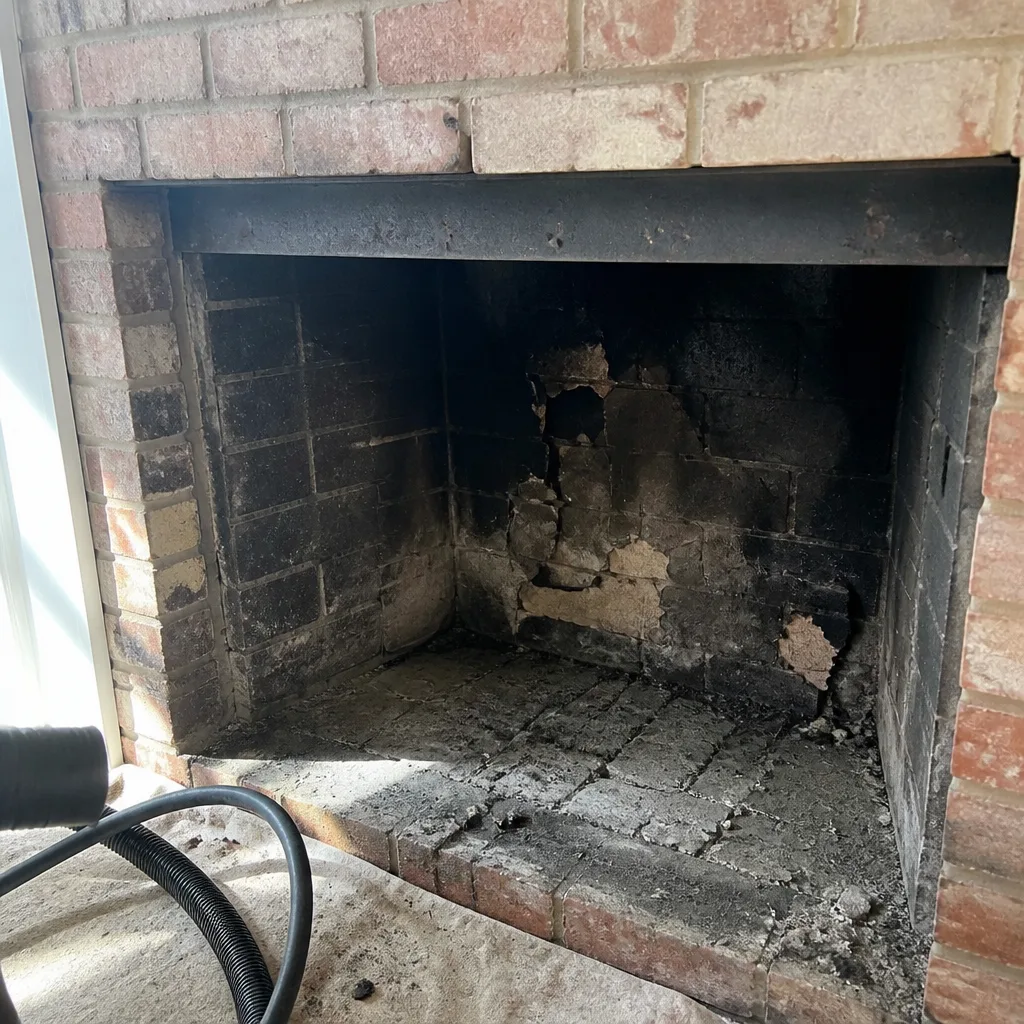 Before
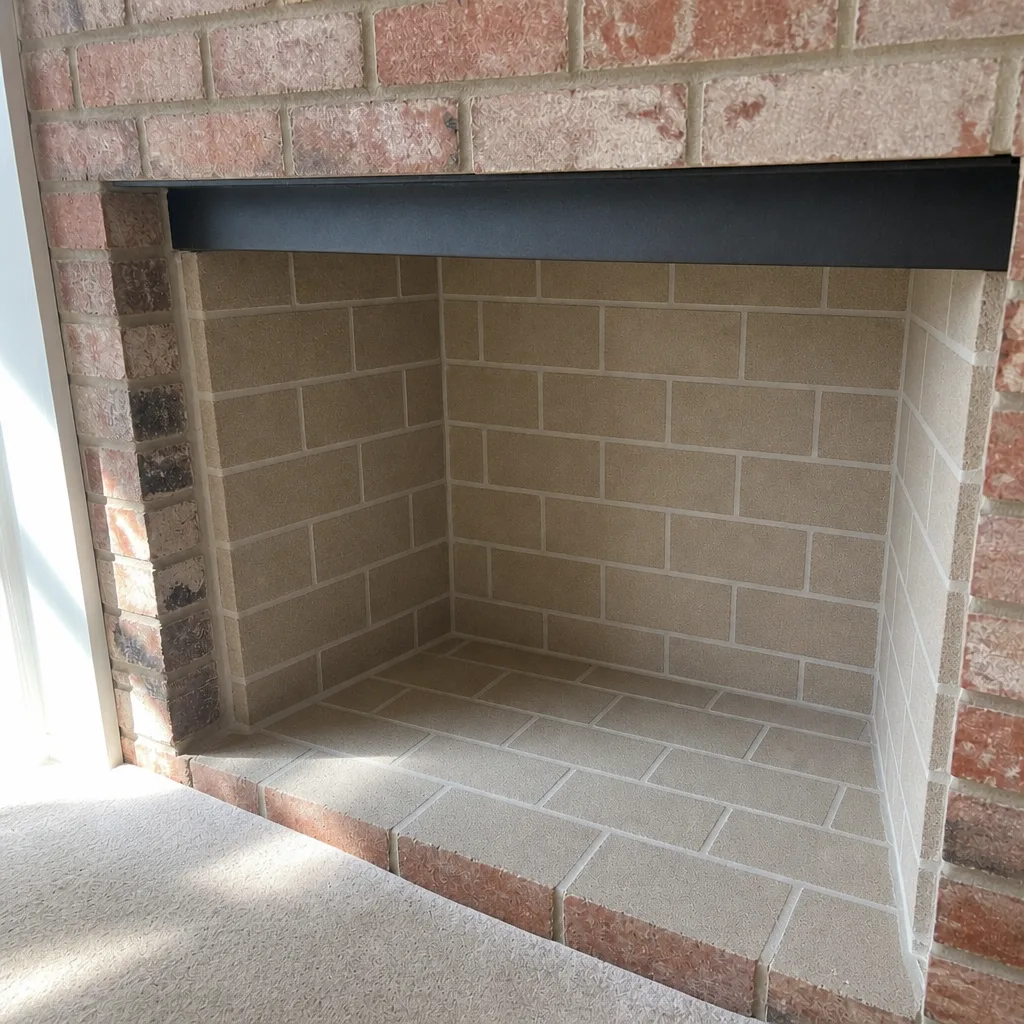 After
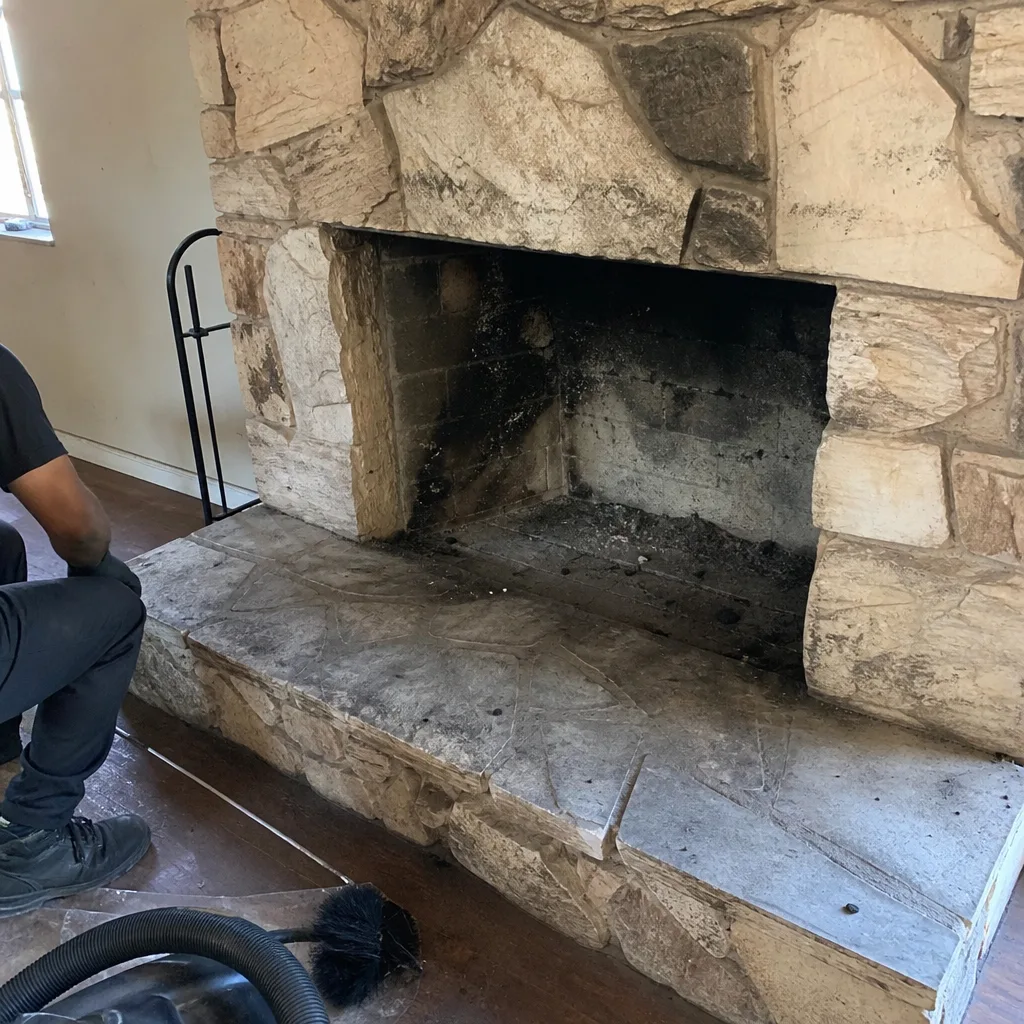 Before
 After
 Before
 After