
Last updated November 5, 2026
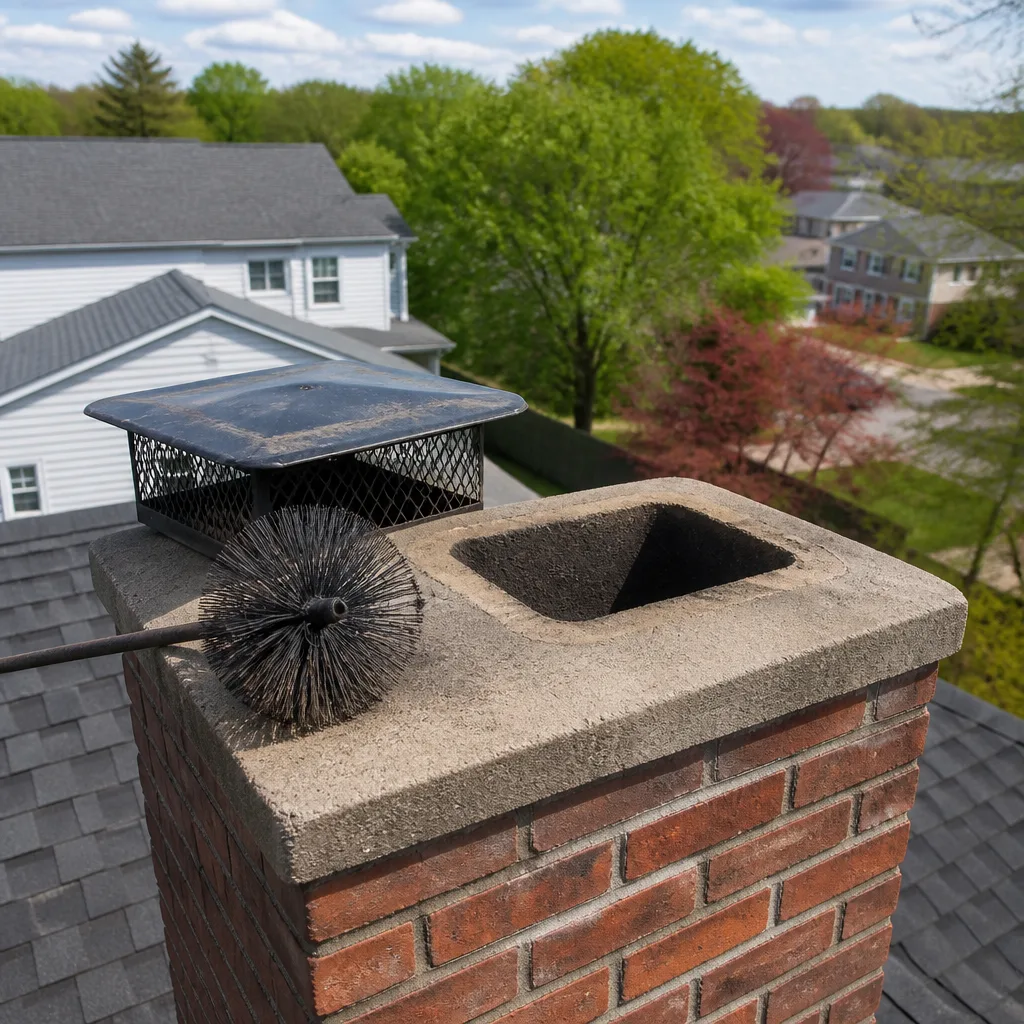 Sweep & inspection
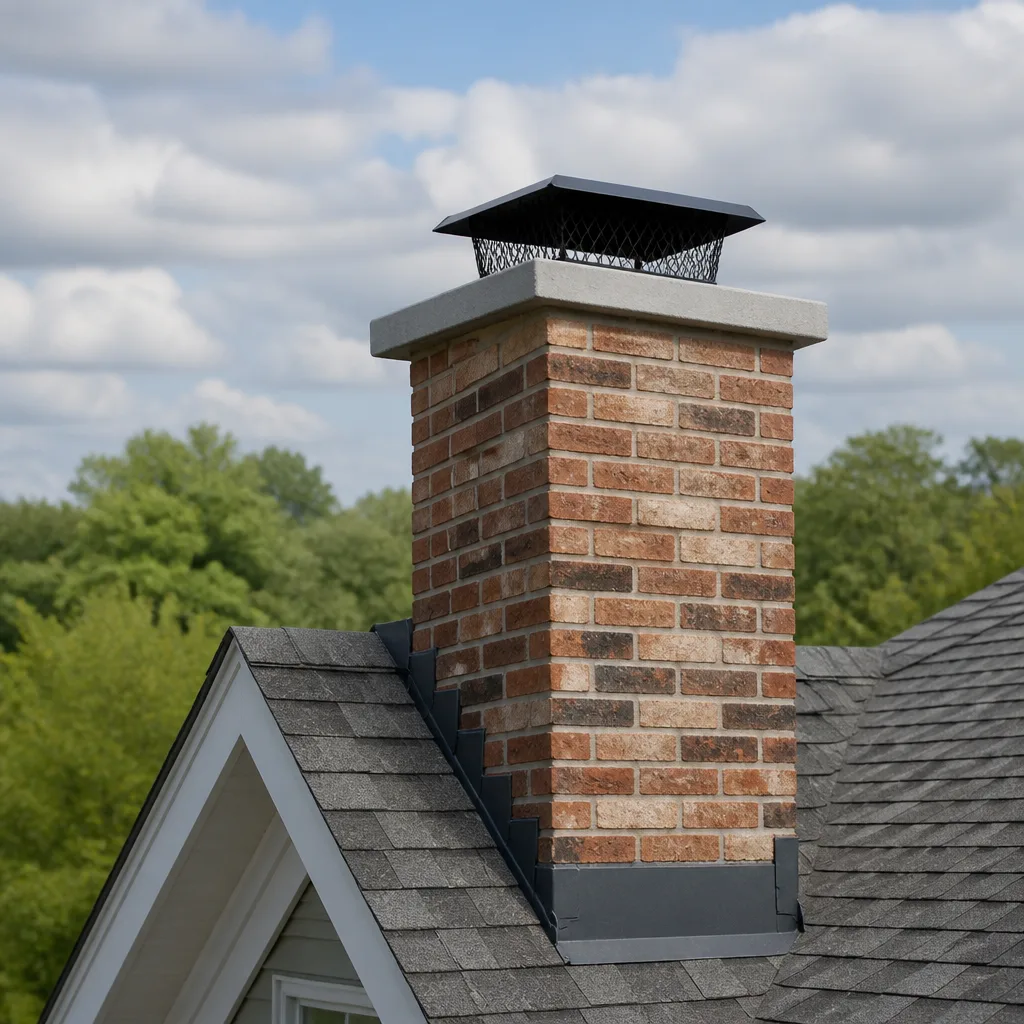 Caps & crowns
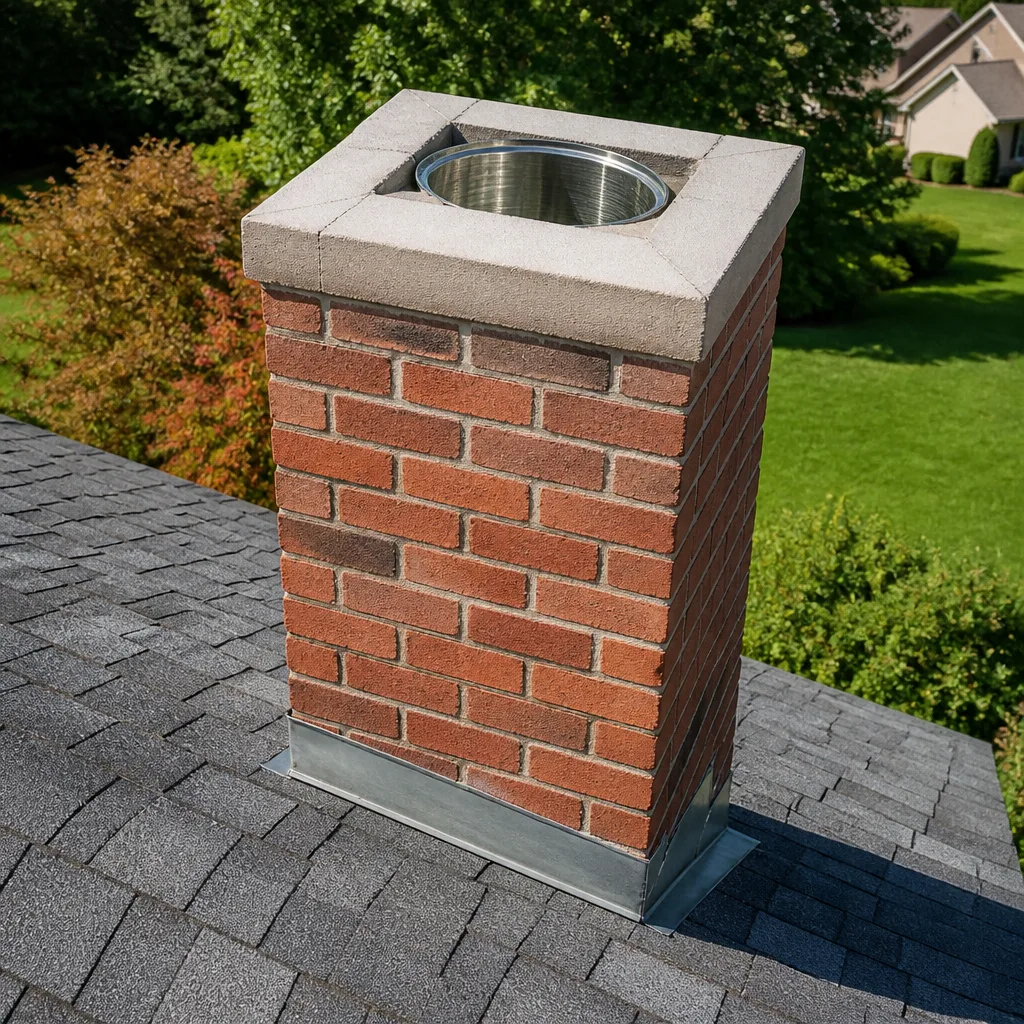 Flue relining
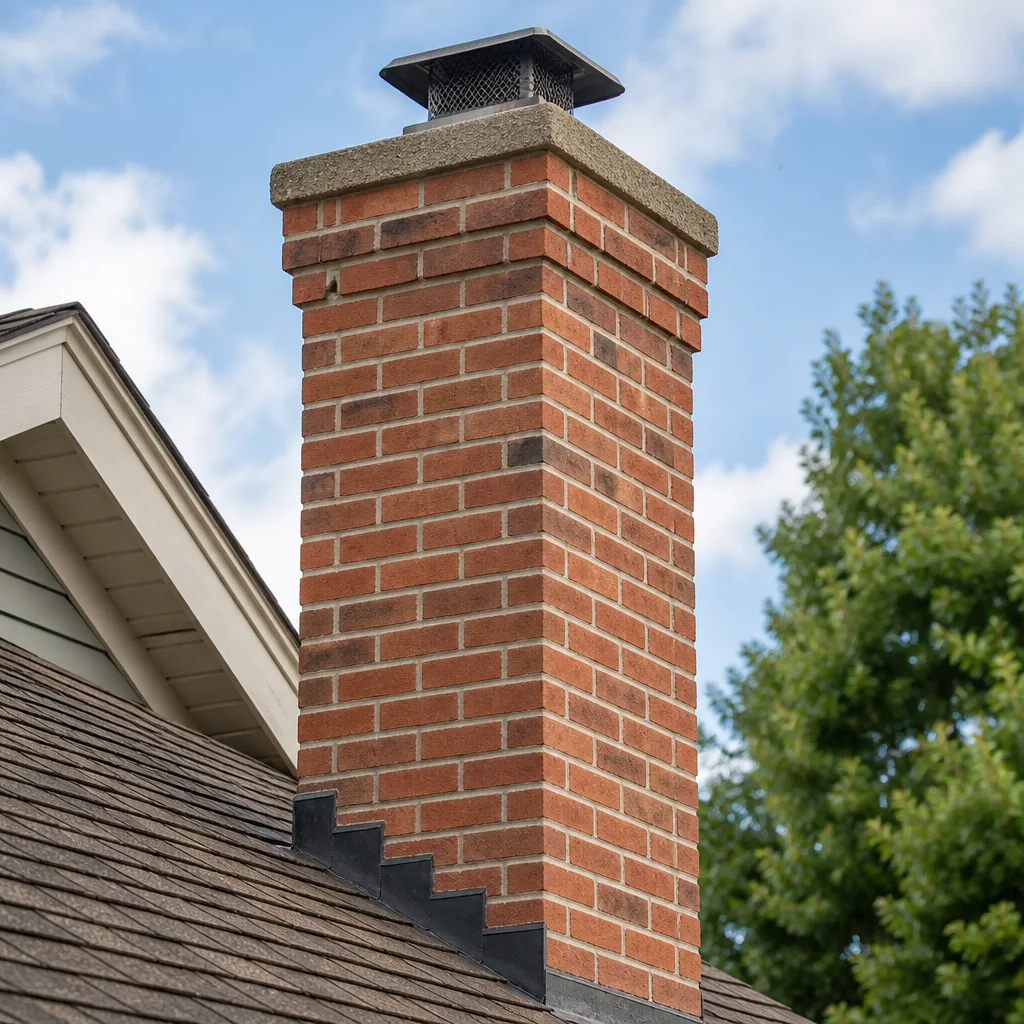 Masonry repair
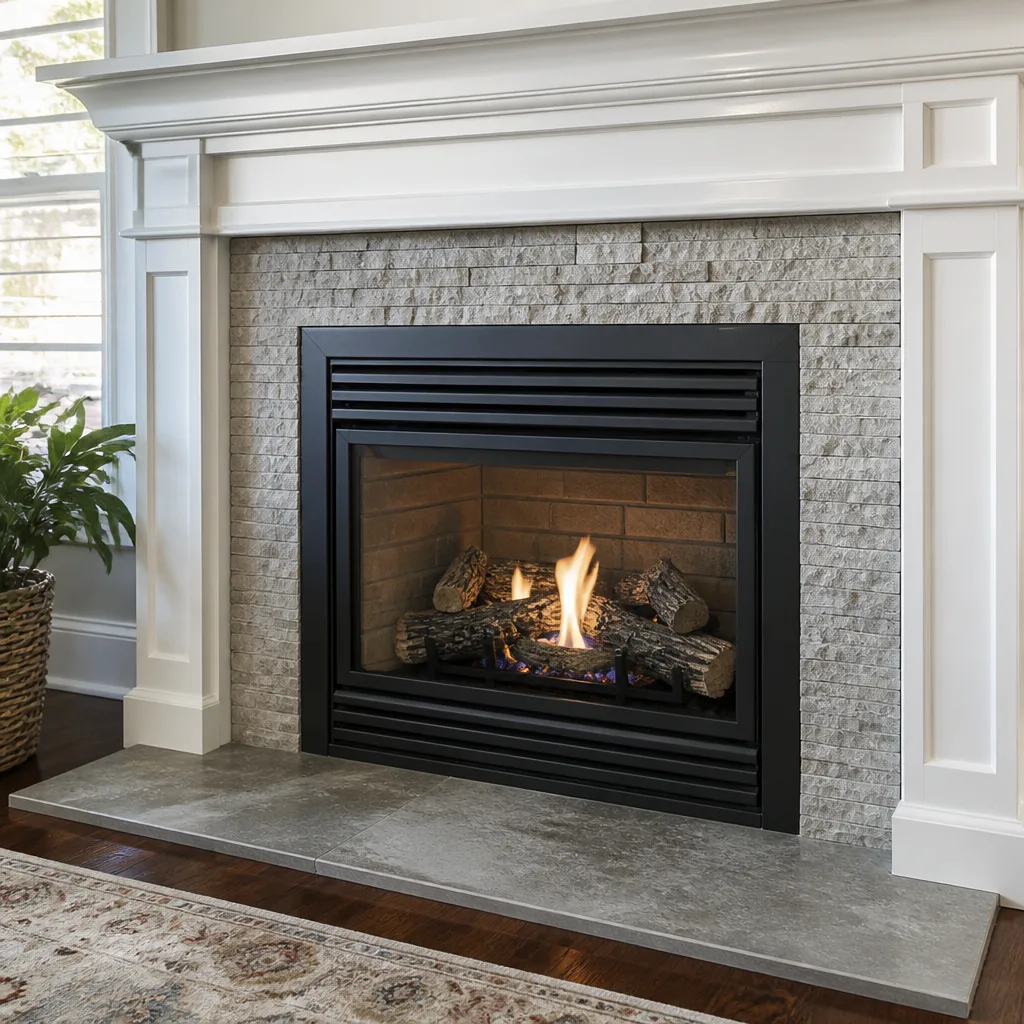 Gas fireplace service
Level 1 sweep and inspection to the NFPA 211 annual standard - flue, crown, cap, and flashing checked and photographed
Chimney sweep logs do not sweep chimneys. They loosen some creosote - which then falls where a brush and vacuum still have to collect it.
Seasonal Chimney Cleaning Care for Fashion District: Year-Round Homeowner’s Guide
Most chimney guides you’ll find online were written for places with snow on the ground and freeze-thaw cycles that crack masonry from the outside in. Fashion District chimneys face a different set of pressures entirely. The real danger here isn’t winter. It’s the dry Santa Ana winds of September and October, which push debris into uncapped flues and pressure-test every gap in your chimney system weeks before anyone thinks to light a fire. Then the marine layer rolls through spring, adding moisture that works its way into terracotta tiles in ways stainless steel liners shrug off. This guide maps chimney maintenance to what LA weather actually does, season by season, so you can plan ahead instead of reacting to problems.
Quick Answer
Chimney care in Fashion District should follow the local climate pattern, not a generic calendar. Book a professional chimney sweep and inspection in September before Santa Ana season kicks in, check cap and damper integrity again in spring when birds are nesting, and don’t assume a summer of no fires means no problems. Annual sweeping plus seasonal attention to caps, dampers, and moisture entry points covers most of what Fashion District weather throws at a flue system.
Styles & brands we work with
- Sweep & inspection
- Caps & crowns
- Flue relining
- Masonry repair
- Gas fireplace service
Table of Contents
- Fall: Santa Ana Season and Why September Matters Most
- Winter: Condensation Cycling and Masonry Stress
- Spring: Bird Nesting and Post-Season Inspection
- Summer: Damper Checks and Cap Integrity When the Fireplace Sits Cold
- How the Marine Layer Affects Terracotta vs. Stainless Steel Liners
- How Often Should You Sweep a Chimney in Fashion District?
- What a Homeowner Can Check (and What to Leave Alone)
- Common Mistakes to Avoid
Fall: Santa Ana Season and Why September Matters Most
Here’s the thing most LA homeowners don’t realize: the period that does the most damage to chimneys in Fashion District isn’t the coldest stretch of winter. It’s fall, specifically September and October, when Santa Ana winds arrive. Those hot, dry winds do two things at once. They carry debris at speed, forcing leaves, twigs, and fine particulate into any flue that lacks a proper cap or has a damaged screen. And they create strong negative pressure around your roofline, which pulls air down the chimney and into the living space when a fire isn’t lit.
Negative pressure matters because it’s a diagnostic clue. If you smell a faint soot or ash odor in your home during Santa Ana events, even though you haven’t burned anything in months, that’s outside air being drawn down the flue. It means the damper isn’t sealing, the cap is compromised, or both. A pre-season sweep and inspection in September catches these issues before the first cold snap sends you scrabbling for firewood.
What a September Inspection Should Cover
- Cap and screen condition: Santa Ana winds punish caps. Check for rust, loosened fasteners, and tears in mesh screens. A missing or damaged cap turns every wind event into a debris delivery system for your flue.
- Damper seal: A damper that doesn’t close fully is an open channel for wind, pests, and conditioned air loss year-round. September is the time to catch it.
- Creosote assessment: Even light seasonal use builds deposits. Cool, damp morning air in fall can make creosote more corrosive to metal components. Get it swept before the first fire.
- Flue obstruction check: Birds, rodents, and wind-deposited debris are all common in uncapped or under-capped flues after a windy season. A camera inspection shows exactly what’s in there.
We approach fall maintenance the way we do because Fashion District’s climate doesn’t give you a gradual ramp into winter. It gives you a hot, dry, windy season followed by a sudden temperature drop. Getting ahead of the Santa Anas means your first fire of the season is safe and clean, not a smoke-back event that sends you looking for the phone at the worst possible moment.
Winter: Condensation Cycling and Masonry Stress
Winters in Fashion District are mild by any national standard, but that doesn’t mean the season is irrelevant to chimney health. What LA does get is a pattern of cool nights, warm days, and occasional bursts of real cold. That cycle creates condensation inside the flue system whenever temperatures swing. Here’s why that matters for masonry chimneys specifically.
Brick and mortar are porous. When warm interior air meets a cold chimney wall, moisture condenses inside the masonry pores. When temperatures rise again, that moisture evaporates. This is a gentler version of freeze-thaw, but over years it has a cumulative effect. Mortar joints slowly erode. Hairline cracks widen. The chimney doesn’t fail dramatically. It just degrades incrementally in ways that are easy to miss until a smoke issue or a structural problem forces attention.
This is also the season when dryer vent cleaning deserves a thought, because winter is when homes seal up and ventilation systems work harder. A clogged dryer vent is a fire hazard regardless of season, but it pairs naturally with winter chimney use: both are exhaust systems, and both need clear pathways to do their jobs.
What Winter Maintenance Looks Like in LA
- Burn only seasoned wood: Green or damp wood produces more creosote and burns cooler. In a mild climate, the temptation to burn whatever’s available is strong. Don’t.
- Keep consistent burns: Short, hot fires are better than long, smoldering ones. Smoldering fires produce more creosote per hour of burn time.
- Monitor for odor: Any new smell in the room, burned or otherwise, is worth investigating. Odors are an early warning system.
- Schedule a mid-season sweep if you burn frequently: A fireplace used three or more nights a week through winter may need more than one cleaning per season.
The key point for winter is that infrequent use doesn’t equal no maintenance. A chimney that sits mostly cold through a damp winter still cycles through condensation events. Masonry inspections catch mortar deterioration early, when repointing is a minor repair instead of a structural rebuild.
Spring: Bird Nesting and Post-Season Inspection
Spring is the season most homeowners think they can skip. The fire’s out for the year. Why touch the chimney? Because nature doesn’t skip spring, and neither should you. In Fashion District, the local sparrow and starling populations actively look for nesting sites starting in March and April. A dormant flue with a compromised cap is an inviting cavity. A bird nest inside a chimney isn’t just an obstruction risk for next fall. It’s a combustible material sitting directly in the exhaust path of your fireplace.
Nests also block airflow, which affects both fire safety and indoor air quality. A fully blocked flue sends carbon monoxide back into the living space. A partially blocked flue creates smoke rollback and poor draft. Both are preventable with a spring inspection that confirms the cap is intact and the flue is clear.
Post-Season Inspection Checklist
- Confirm the cap and screen are secure: Look for any gap a bird could exploit. Sparrows can enter through remarkably small openings.
- Check for nest debris even with a cap present: Some birds build on top of caps or in the gaps around them. The screen keeps them out of the flue, but the cap itself can accumulate material.
- Assess moisture intrusion: Spring marine layer moisture pairs with any existing masonry damage. Look for efflorescence, the white mineral staining that signals water moving through brick.
- Sweep before summer: A spring sweep removes creosote built up over winter before heat and humidity can make it more difficult to remove. Creosote gets stickier and harder to clean as it ages.
Call Fireside Chimney Sweep for a spring inspection and you get more than a quick look. You get a camera-backed report showing exactly what’s in your flue, so you know whether a cleaning is needed now or can wait. No vague warnings. No upselling you can’t verify.
Summer: Damper Checks and Cap Integrity When the Fireplace Sits Cold
Summer is the most neglected season for chimney care, and understandably so. Nobody’s thinking about the fireplace in July. But a chimney that sits completely unused for four or five months develops its own set of issues, and they’re issues that announce themselves in September, often at the worst moment.
The damper is the first thing to check. A damper that stays partially open all summer creates a direct channel for heat exchange: cooled indoor air escapes up the flue, hot outdoor air seeps in. That’s an energy cost and a comfort problem. It also invites pests, dust, and debris into the home. If you can feel a draft near the fireplace on a hot day, the damper isn’t sealing.
The cap is the second priority. Summer sun in Fashion District is intense, and UV exposure degrades cap materials over time. Galvanized caps rust. Mesh screens tear. Fasteners loosen. A cap that fails in summer sets up a fall full of Santa Ana debris intrusion. Checking it in July or August gives you time to fix it before the winds arrive.
What to Do If You Haven’t Used the Fireplace in Months
- Shine a flashlight up the flue: Look for visible obstructions, nesting material, or soot buildup.
- Check the damper seal: Open and close it fully. Feel for any sticking or gaps around the edges.
- Look at the cap from outside: If you can safely see it from the ground, check for visible damage or missing mesh.
- Schedule a camera inspection if anything looks off: A visual check from below catches gross problems. A camera catches everything else.
Summer is also an ideal time for repairs. With no burning season pressure, scheduling is easier and weather is predictable. A masonry repair or liner installation done in August is ready before the first fire of fall.
How the Marine Layer Affects Terracotta vs. Stainless Steel Liners
Fashion District sits inland enough that the marine layer isn’t a daily constant, but spring mornings still bring moisture cycling that moves through the air and into porous building materials. That moisture behaves very differently depending on what your flue is lined with.
Terracotta liner tiles are the traditional and still the most common flue material in LA chimneys. They’re durable and heat-resistant, but they’re porous. Marine layer moisture and condensation can soak into tile surfaces. When the fireplace heats up, that moisture expands and can stress the tile, especially where tiles meet at mortar joints. Over years, this contributes to cracking and spalling. A cracked terracotta tile is a fire safety issue because it exposes combustible chimney structure to flue gases.
Stainless steel liner systems, like chimney sweep technicians install using Copperfield components, handle moisture much better. Stainless steel is non-porous. It doesn’t absorb water, doesn’t crack under thermal cycling, and resists corrosion when properly installed. A stainless liner also smooths the flue path, which improves draft and reduces creosote accumulation. This is one reason we carry DuraFlex flexible liner systems: for a chimney with damaged terracotta tiles, a full reline solves the problem permanently rather than patching it.
The maintenance takeaway is simple. Terracotta-lined chimneys need closer watch, especially in spring when moisture is highest. Stainless-lined chimneys need less frequent attention but still benefit from annual inspection and periodic sweeping. Know what your flue is lined with, and schedule accordingly.
How Often Should You Sweep a Chimney in Fashion District?
The National Fire Protection Association recommends an annual inspection of every chimney, vent, and solid fuel appliance. Annual sweeping is also the baseline for any fireplace that sees regular use. But “regular use” means different things in different households, and in Fashion District the answer gets more specific based on how you burn.
For a wood-burning fireplace used two to three nights a week during winter, a sweep before the season starts and possibly a mid-season sweep if you burn heavily is appropriate. For a gas fireplace, annual inspection is still important, but sweeping frequency drops significantly because gas produces far less particulate. For a home with a wood stove or insert used as primary heat, even in a mild LA winter, more frequent sweeping may be warranted because stoves burn hotter and longer but can still accumulate creosote in the flue.
Usage-Based Sweeping Schedule
- Heavy wood use (3+ nights weekly): Sweep at start of season, inspect mid-season, sweep again at end if buildup warrants.
- Moderate wood use (1-2 nights weekly): Annual sweep in September or October covers most cases.
- Occasional wood use (holidays only): Annual inspection with sweep as indicated. Creosote can still build up even from light use over a full year.
- Gas fireplace: Annual inspection. Sweeping on a longer interval as recommended by the chimney professional.
- No use at all: Still inspect annually. Birds, debris, and deterioration don’t care whether you burn.
The most common mistake we see in Fashion District is homeowners who skip years because the fireplace “barely gets used.” Even a lightly used chimney accumulates creosote, debris, and possible animal intrusion. The chimney system works as a whole, and a problem in any part of it affects the rest.
What a Homeowner Can Check (and What to Leave Alone)
You don’t need to hire a professional for every glance at the chimney. Some basic visual checks are well within a homeowner’s reach, and they help you catch issues early. Other things are genuinely dangerous and should only be handled by someone with training and proper equipment.
Safe Homeowner Checks
- Monthly visual cap check from the ground: Walk outside and look up at the chimney. Look for rust, missing mesh, tilted or missing caps, and any visible blackening around the crown.
- Fireplace smell test: Lean toward the fireplace opening and take a breath. Any soot, ash, musty, or animal odor means something needs attention.
- Damper operation check: Open and close the damper fully. It should move smoothly and seal tightly. If you feel a draft with it closed, that’s a problem.
- Interior masonry inspection: Look at the firebox walls and floor for cracks, loose bricks, or crumbling mortar. Any of these means the firebox has been compromised.
- Smoke test during burn: On a calm day with a fire going, watch the smoke. It should draw cleanly up the flue. Rollback, swirling smoke, or a persistent smoky smell means draft problems.
What to Leave to a Professional
- Anything requiring roof access: Climbing onto a roof without proper gear and training is a serious fall risk. Even a one-story roof can produce a life-changing injury.
- Creosote removal: Creosote is a flammable, sticky, sometimes sharp material. Proper sweeping requires specialized brushes, vacuums, and containment. DIY sweeping often leaves more behind than it removes.
- Camera inspections: You can’t see the full flue from the top or bottom with the naked eye. A proper inspection uses a camera to document every foot of the liner.
- Masonry repairs: Working on a chimney crown or firebox involves materials and techniques that are not forgiving of amateur work. Get it wrong and you create a bigger problem than you started with.
- Anything involving gas lines or gas logs: Gas work requires specialized knowledge and licensing. Don’t touch gas components yourself.
The line between homeowner maintenance and professional work is mostly about visibility and risk. If you can see it from the ground, check it. If it requires getting on the roof, entering the flue, or touching gas, call someone who does this every day.
Common Mistakes to Avoid
- Waiting until November to book a sweep: By November, every chimney company in Fashion District is booked solid and Santa Ana season has already done its damage. Book in September.
- Assuming no fires means no problems: Birds, debris, moisture, and UV degradation operate on their own schedule. A cold chimney still ages.
- Skipping the cap because “the chimney looks fine”: The cap is the chimney’s first line of defense against debris, birds, and wind-driven rain. A missing or damaged cap is a standing invitation for trouble.
- Using the fireplace as a trash incinerator: Burning paper, cardboard, or household waste produces unpredictable flames, heavy creosote, and sparks that can exit the flue. Fireplaces are for firewood, not trash.
- Ignoring odors: A musty, sooty, or animal smell from the fireplace is always a signal. Odors don’t resolve themselves. They indicate moisture, obstruction, or both.
- Assuming a gas fireplace needs zero maintenance: Gas fireplaces still produce heat cycling, still have vents that need clearing, and still need annual inspection for proper combustion and exhaust.
- Putting off a liner repair because the sweep didn’t flag an immediate emergency: A cracked terracotta tile is a progressing problem. Every fire you burn through a damaged liner accelerates the deterioration. Fix it at the first practical moment, not the last possible one.
When to Call a Professional
Some situations should never wait for the next seasonal checkup. Smoke rolling back into the room during a fire is a sign that the flue is obstructed or the draft has failed. A strong odor from the fireplace when nothing’s burning suggests moisture, animal intrusion, or creosote buildup. Visible cracks in the firebox or exterior masonry mean the chimney’s structural integrity is compromised. Any of these calls for immediate professional attention.
Our team offers free estimates in Fashion District. We’ll assess the chimney, show you what we find, and give you a clear written estimate before any work begins. You’ll know exactly what’s needed, what’s optional, and what can safely wait. Call (844) 963-3205. We answer 24/7. Fast dispatch from 7am to 7pm, Sunday through Friday.
Frequently Asked Questions
A standard chimney sweep in Fashion District typically falls in the $150 to $300 range depending on the chimney’s condition, height, and accessibility. The final price is always set by the written estimate, and estimates are free. Call (844) 963-3205 for an exact quote.
Yes. Even light use produces creosote, and creosote is flammable. A chimney used only on holidays still accumulates deposits over a full year, and it’s also vulnerable to bird intrusion, debris, and moisture damage during the months it sits dormant. Annual sweeping is the baseline recommendation for any wood-burning fireplace.
Stand next to the closed fireplace and feel for drafts. If you can feel air moving through, the damper isn’t sealing. You can also check by looking up at the damper with a flashlight: a closed damper should fit snugly against its frame with no visible gaps. A professional inspection can confirm the seal.
Creosote accumulates to the point where a single hot fire can ignite it, producing a chimney fire that reaches extremely high temperatures and can crack the flue liner or spread to the house. Birds or debris can fully block the flue, sending carbon monoxide back into the living space. Masonry deteriorates without intervention, and small repairable cracks become structural problems. Skipping maintenance turns a $200 sweep into a multi-thousand-dollar repair.
For a chimney with damaged or aging terracotta, a stainless liner is often the better long-term solution. Stainless steel is non-porous, resists moisture penetration, and doesn’t crack under thermal stress the way terracotta can. It also improves draft efficiency. The initial cost is higher, but the durability and safety benefit make it a sound investment for a chimney you plan to use for years.
You can and should do basic visual checks from the ground and the fireplace opening. What you can’t do is see the full length of the flue, remove creosote effectively, or assess hidden masonry damage without professional equipment. A professional camera inspection shows you exactly what’s in your flue so you can make decisions based on evidence, not guesswork.
The Bottom Line
Chimney care in Fashion District follows the local climate, not a national calendar. September matters more than December. The marine layer does more damage than winter temperatures. And a summer of silence doesn’t mean your chimney stopped aging. The simple system: book a professional sweep and inspection in September, check cap and damper condition again in spring, address any repairs before the next burn season, and always act quickly on odors, smoke rollback, or visible damage. Do that and your chimney serves you safely for decades. Skip it and you’re rolling dice on a structural fire risk. The call takes two minutes. The peace of mind lasts all year.
Written by the team at Fireside Chimney Sweep, serving Fashion District since 2012.
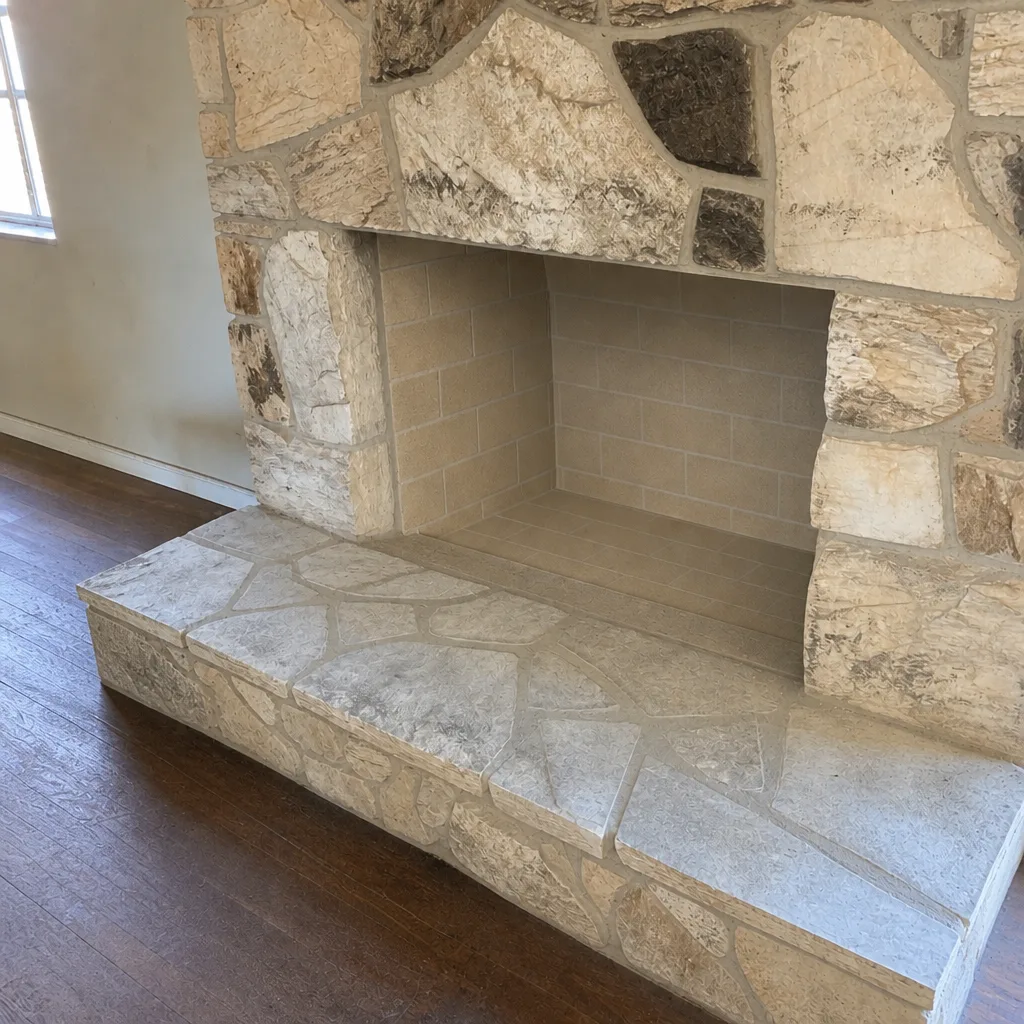
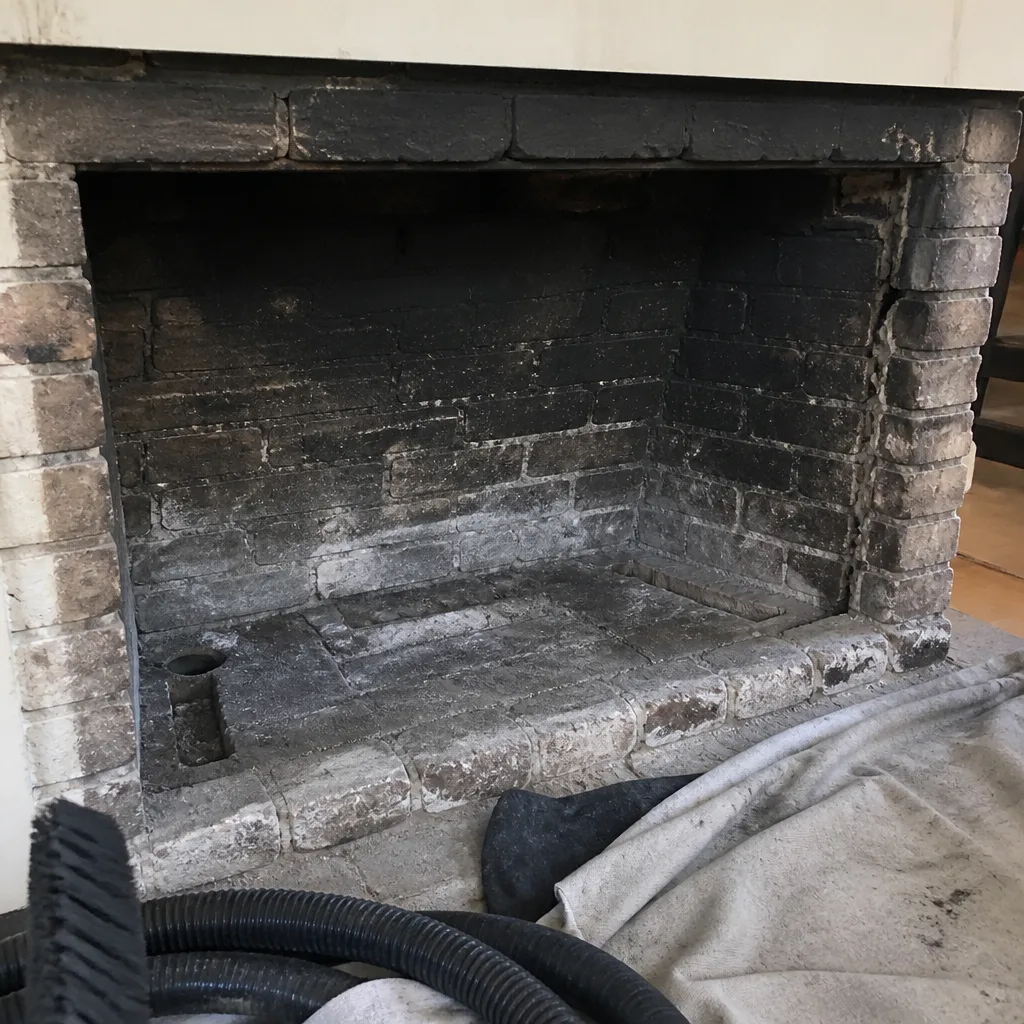
See the difference
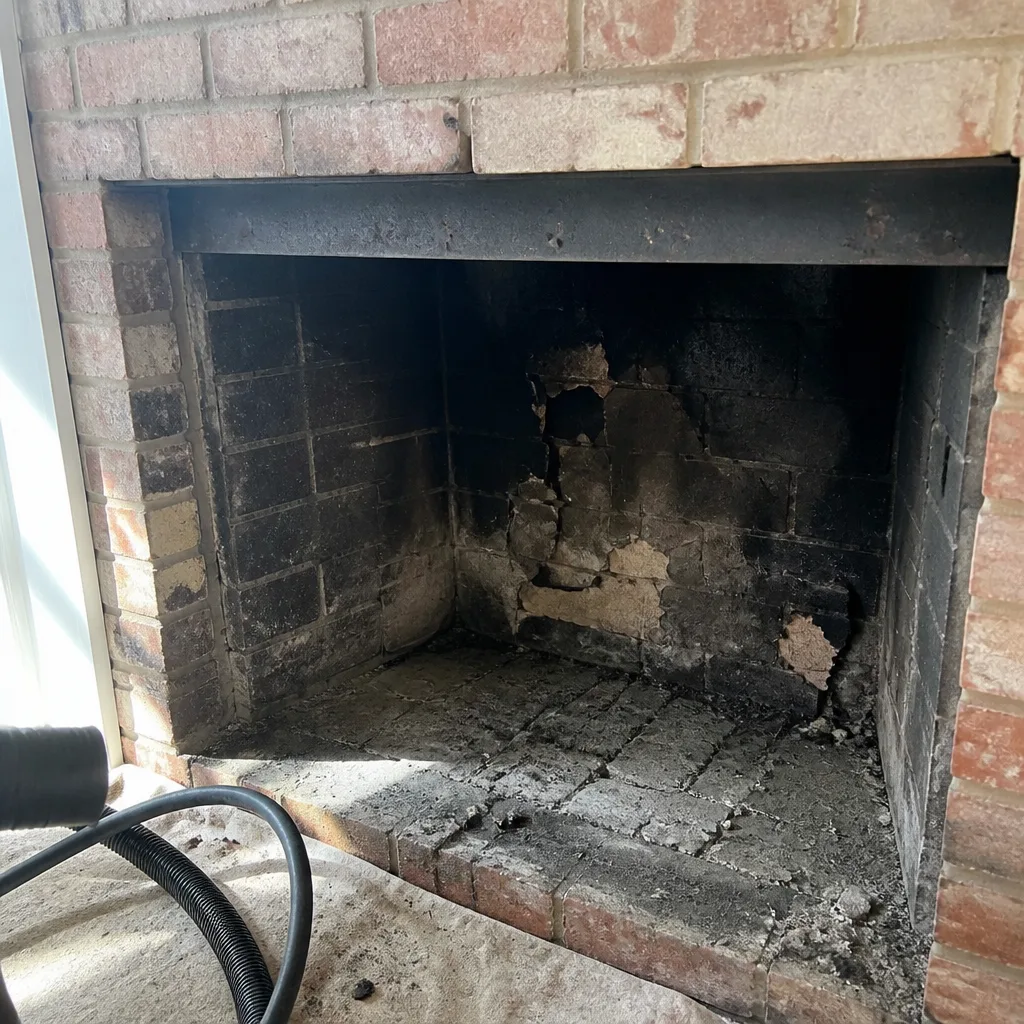 Before
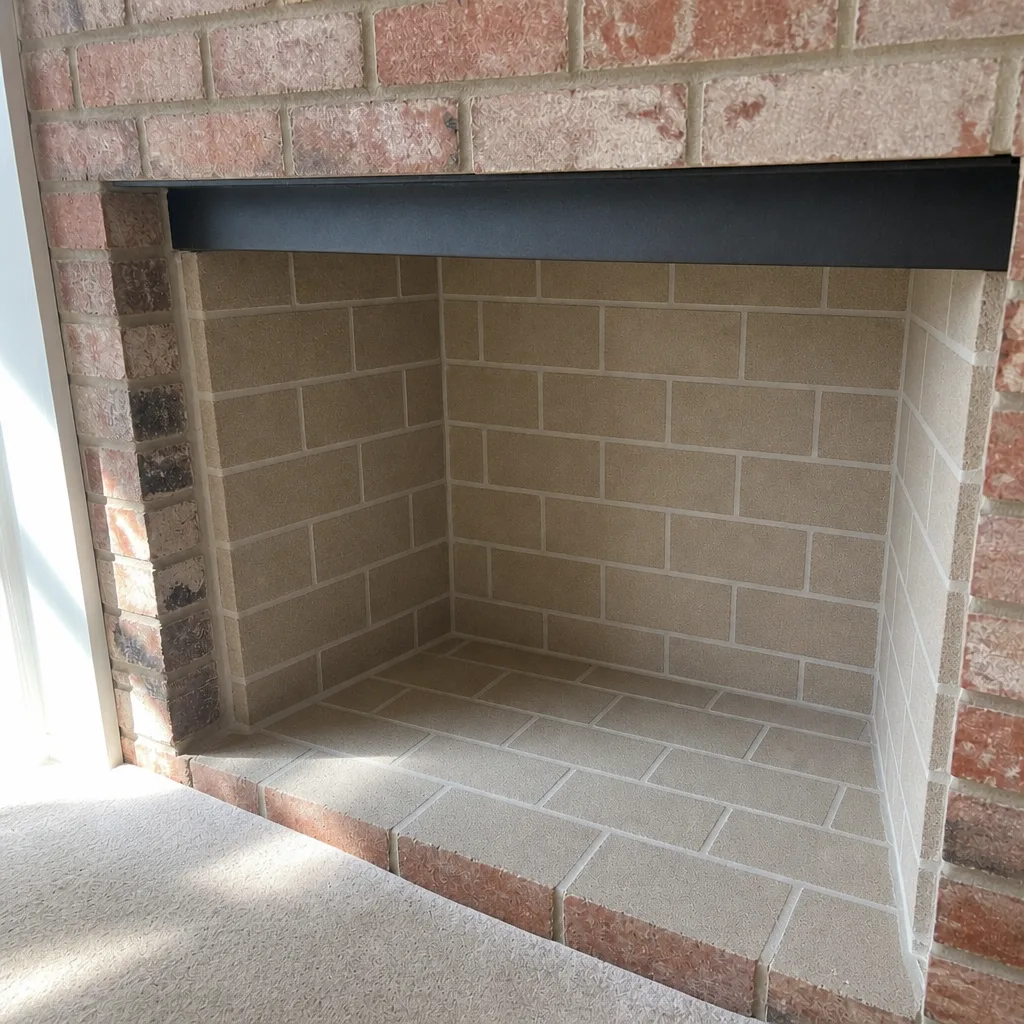 After
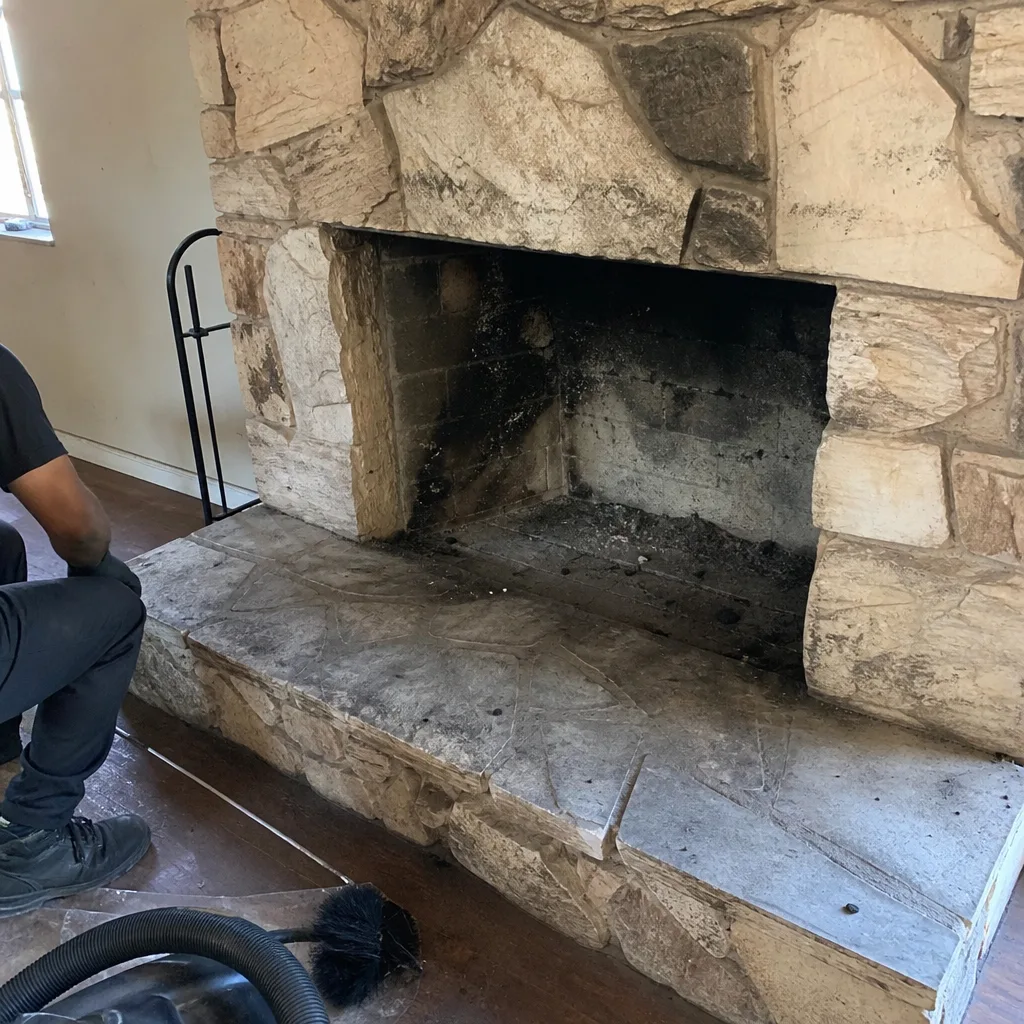 Before
 After
 Before
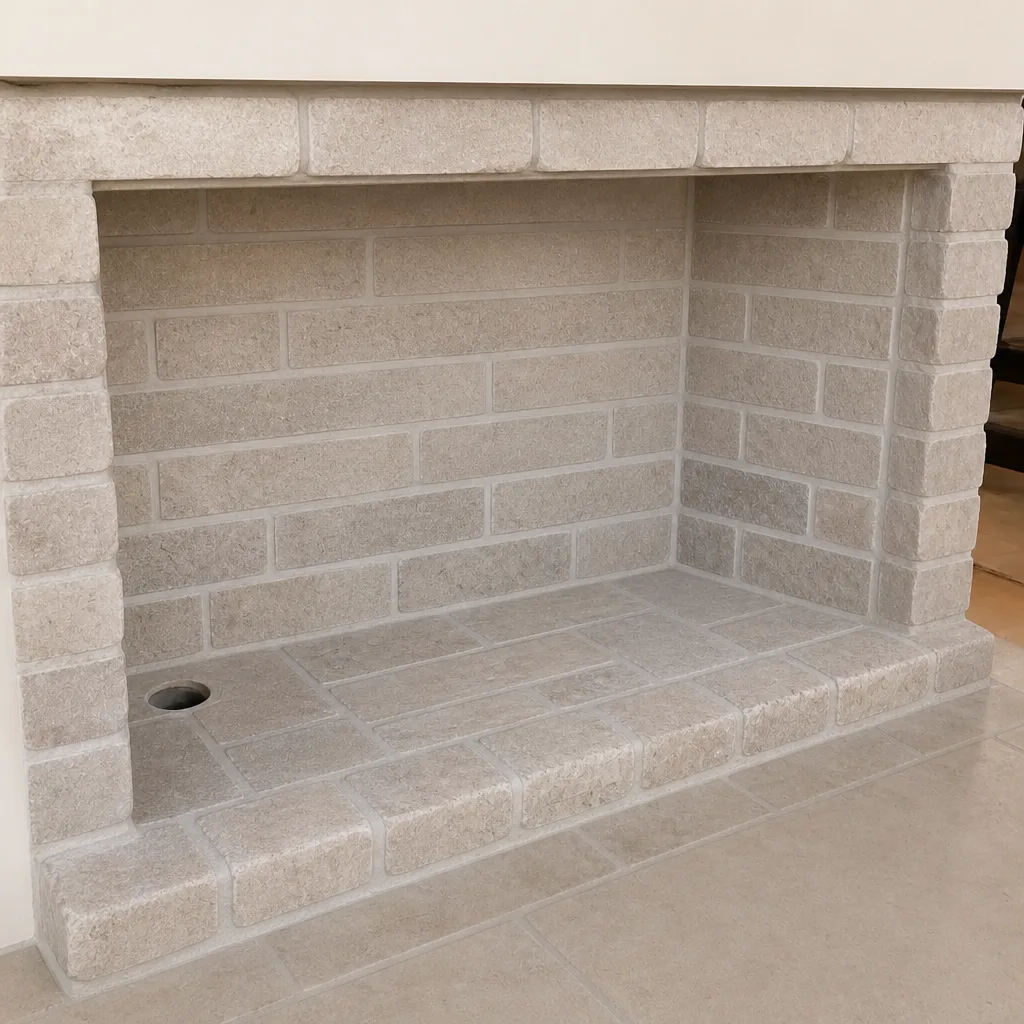 After