
Last updated November 5, 2026
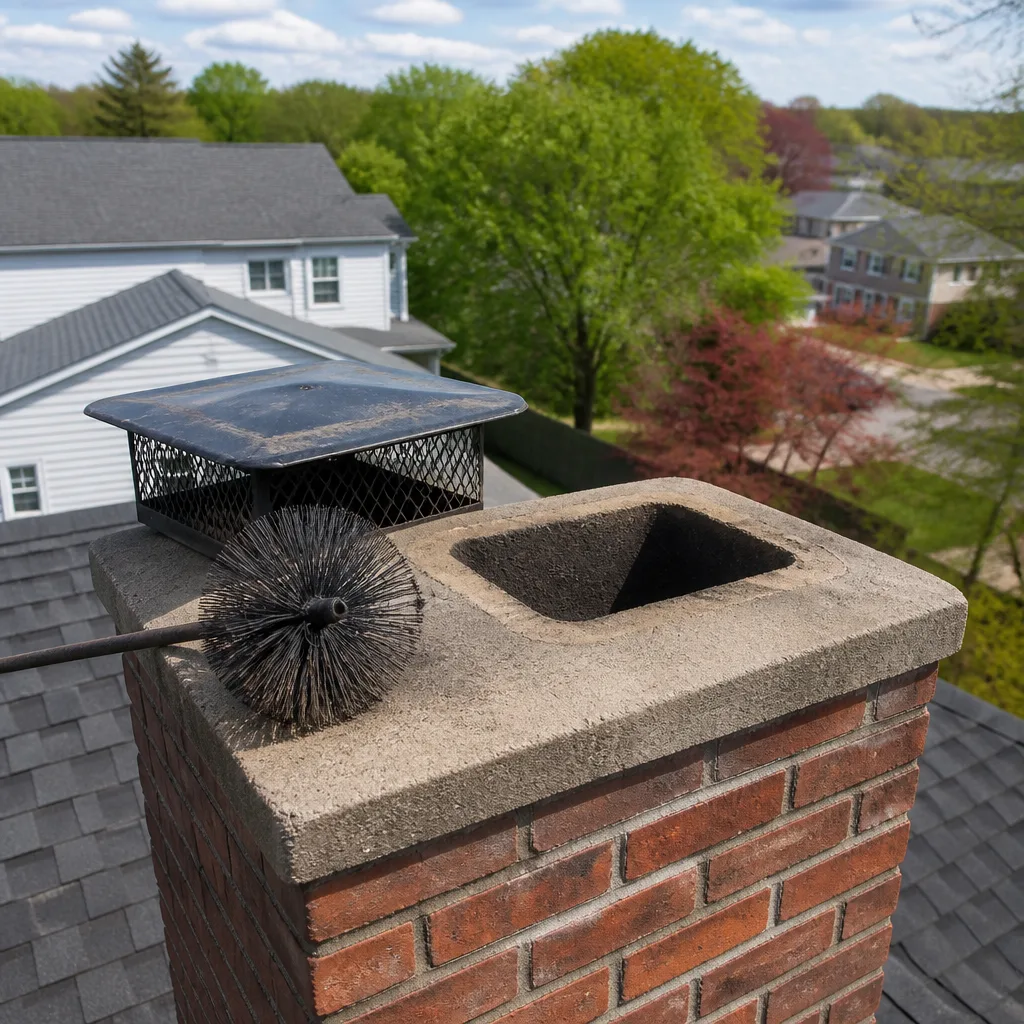 Sweep & inspection
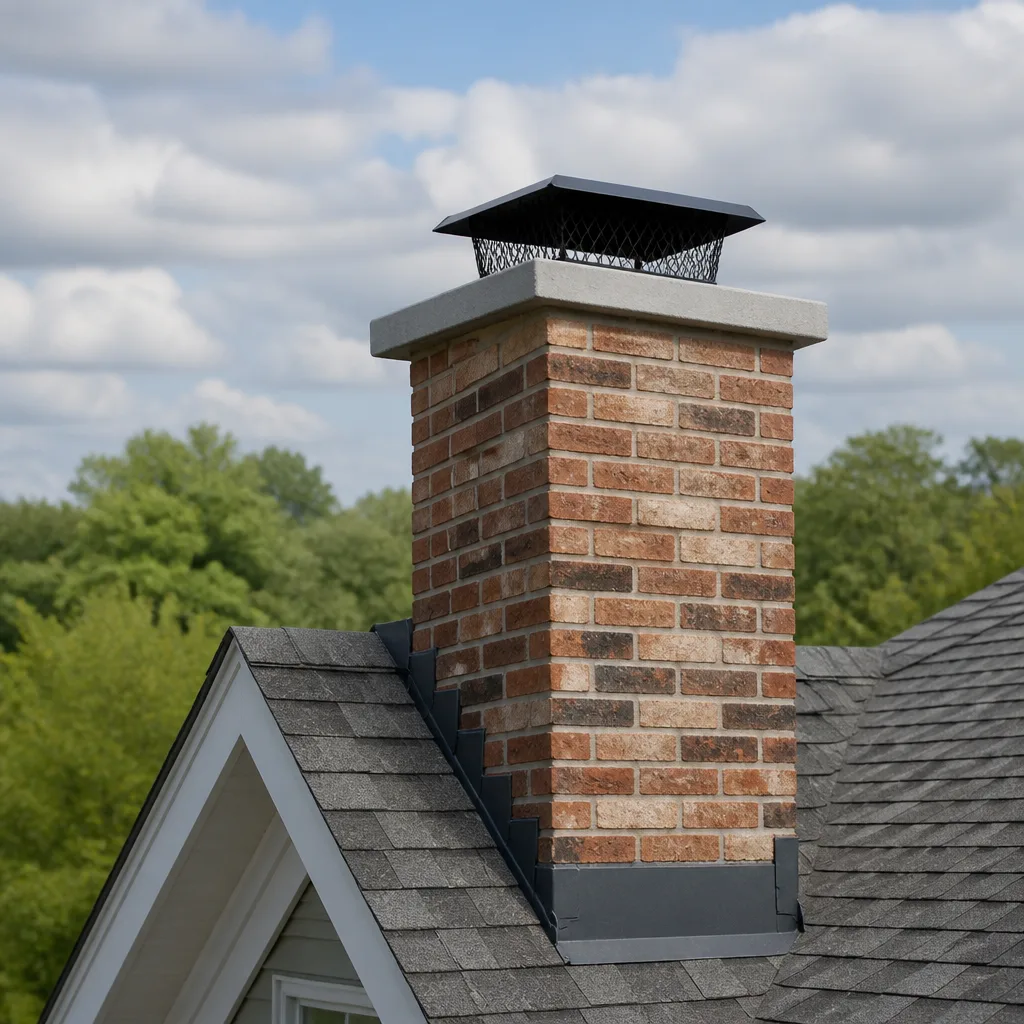 Caps & crowns
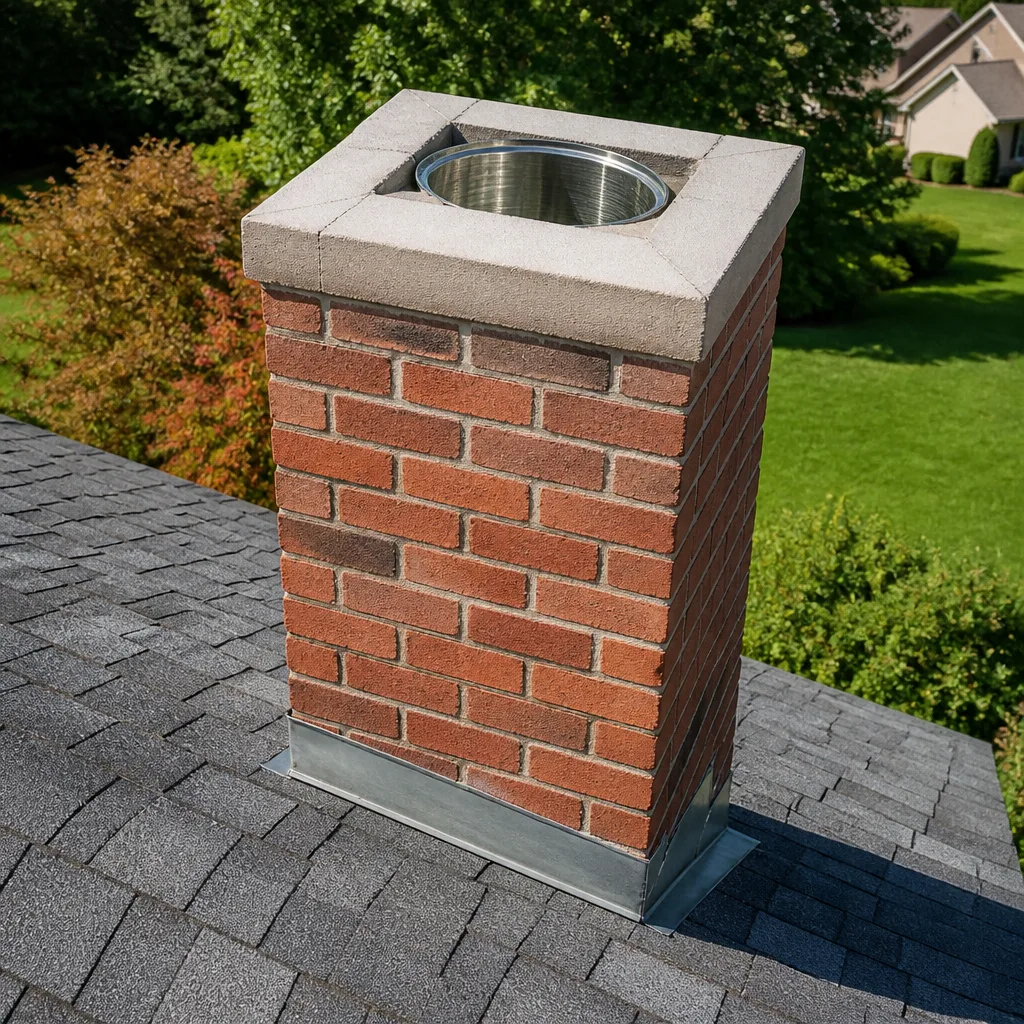 Flue relining
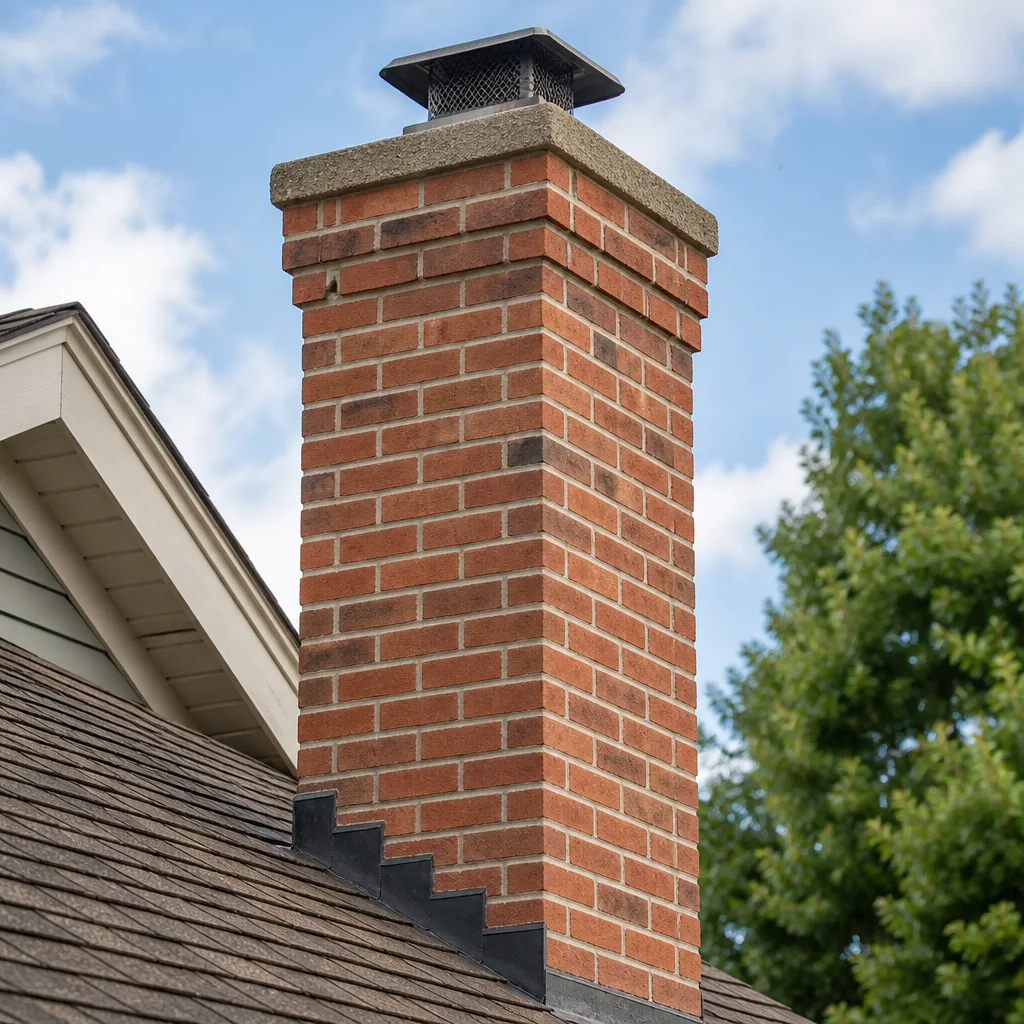 Masonry repair
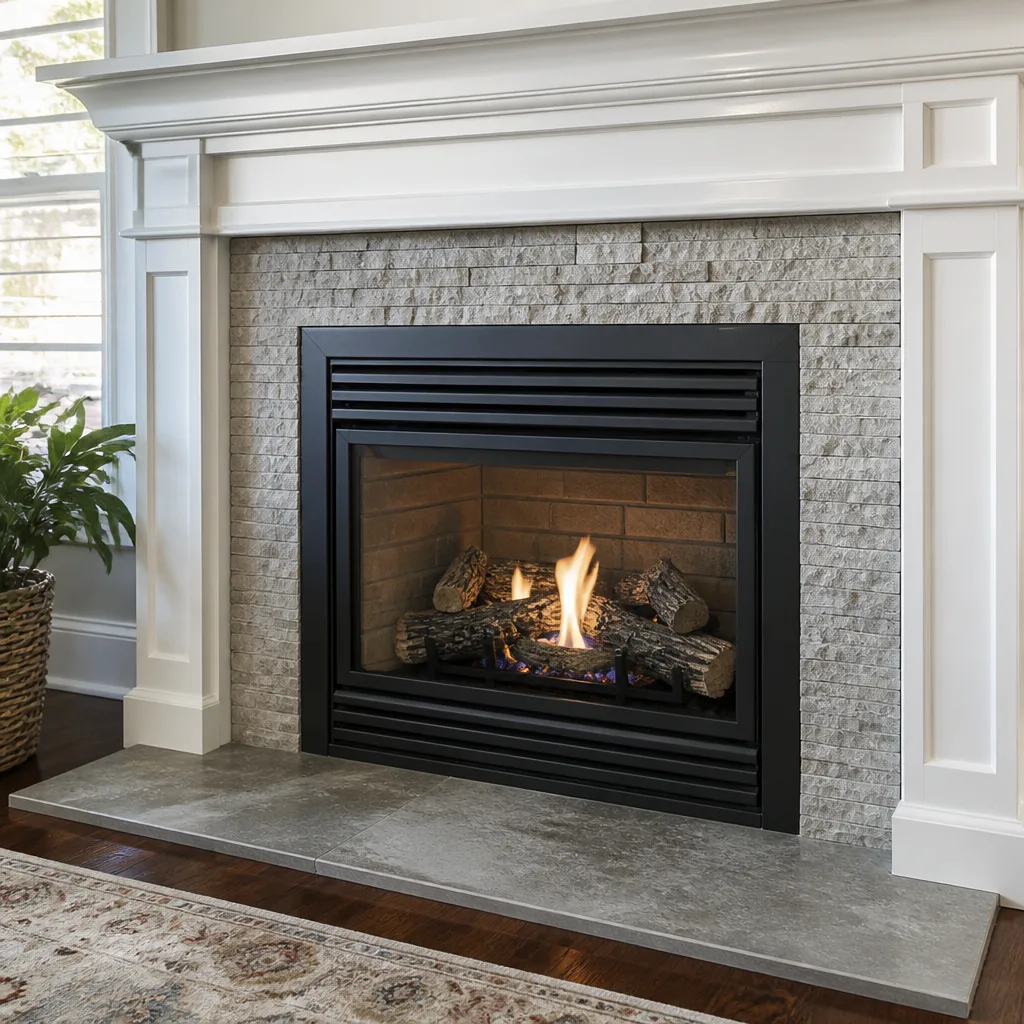 Gas fireplace service
Level 1 sweep and inspection to the NFPA 211 annual standard - flue, crown, cap, and flashing checked and photographed
Chimney sweep logs do not sweep chimneys. They loosen some creosote - which then falls where a brush and vacuum still have to collect it.
Chimney Cleaning Permits, Codes & Inspections in Fashion District, CA: What You Need to Know
Most homeowners in Fashion District assume a chimney sweep is a chimney sweep is a chimney sweep. Clean it, check the box, move on. But here’s the part nobody tells you: the moment your sweep finds a cracked flue tile, a compromised crown, or an insert that was never properly permitted, you are no longer in “maintenance” territory. You are in code-compliance territory. And in the City of Los Angeles, that means specific permits, specific inspections, and a paper trail that matters far more than most people realize. This guide from Fireside Chimney Sweep draws the line between what is routine maintenance and what triggers the LA City building permit process, the SCAQMD wood-burning rules that affect your fireplace, and the NFPA 211 standard inspectors actually reference.
Quick Answer
Routine chimney sweeping and Level 1 inspections do not require a permit in Fashion District or anywhere in the City of Los Angeles. They are classified as maintenance. Permits enter the picture when the work is structural or changes the venting system: relining a flue, rebuilding a firebox, replacing a crown, or installing a wood-burning or gas insert. The governing layers are the LA City Building Code (which incorporates portions of NFPA 211 by reference), SCAQMD Rule 445 for wood-burning appliances, and the LADBS permit portal for verification. If a contractor does structural work without a permit and something fails, your homeowner’s insurance policy has a stated exclusion for unpermitted work, which means the claim gets denied.
Styles & brands we work with
- Sweep & inspection
- Caps & crowns
- Flue relining
- Masonry repair
- Gas fireplace service
Table of Contents
- What Counts as Maintenance vs. What Triggers an LA City Permit
- SCAQMD Rule 445: What a Sweep Can Legally Service in Fashion District
- NFPA 211 and How LA Inspectors Actually Use It
- How to Verify a Permit Was Pulled: The LADBS Portal Walkthrough
- Level 2 Inspections and California Property Sales: What the Law Requires
- Common Mistakes to Avoid
- When to Call a Professional
- Frequently Asked Questions
What Counts as Maintenance vs. What Triggers an LA City Permit
The line between maintenance and construction is usually clear in practice, but most sweeps never explain it because it works against their one-visit business model. Here is how the City of Los Angeles Department of Building and Safety (LADBS) actually treats it.
Permit-Free Maintenance (No Permit Required)
- Routine chimney sweeping – Removing creosote and soot from the flue interior. This is the classic chimney sweep visit and it requires nothing from LADBS.
- Level 1 inspection – The visual and accessible-component inspection done during a standard sweep, using the existing opening without removing any part of the structure.
- Minor component tightening – Adjusting an existing damper, securing a loose cap with fasteners, or replacing a worn gasket on a cleanout door. None of these alter the venting system.
- Creosote log application – The chemical treatment products some homeowners use between sweeps. This is a consumer product, not construction.
Permit-Required Work (LADBS Permit Triggers)
- Flue relining or liner installation – Whether it is a stainless liner system from a brand like DuraFlex or a poured-in-place material, changing the flue’s cross-section, material, or connection constitutes alteration of a venting system. LADBS treats this as a mechanical permit.
- Firebox rebuild or repair – Replacing firebrick beyond a single brick or two, rebuilding the firebox floor, or parging the smoke chamber with new material requires a building permit because you are altering the fire-resistance assembly.
- Crown replacement – A new concrete or cast-in-place crown changes the chimney’s exterior termination and weatherproofing. LADBS may classify this as routine repair if it is surface-level, but a full crown replacement with new formwork typically requires a permit.
- Insert installation – Any wood stove, gas insert, or factory-built fireplace insert changes the appliance and the venting connection. This is a mechanical permit in every LA City jurisdiction, and the installation must be done by a contractor with the appropriate C-20 or C-36 license classification.
- Chimney rebuild above the roofline – If more than a few courses of brick or block are removed and replaced, you are in structural territory and LADBS requires a building permit with plan review.
The practical takeaway for a Fashion District homeowner: if the work involves opening up part of the chimney, altering the flue, changing an appliance, or rebuilding structure, ask for the permit number before the crew starts. If the contractor says the job “doesn’t need a permit,” get that in writing and verify it against LADBS yourself. Some jobs genuinely do not, but a written record protects you.
SCAQMD Rule 445: What a Sweep Can Legally Service in Fashion District
The South Coast Air Quality Management District (SCAQMD) has jurisdiction over all of Los Angeles County, including Fashion District. Rule 445 is the regulation most relevant to anyone with a wood-burning fireplace or stove. It does not directly govern chimney sweeping, but it governing what appliances can legally be installed, sold, and operated, which in turn shapes what a sweep can legally service.
The Core of Rule 445
Rule 445 prohibits the installation of new open-hearth wood-burning fireplaces in new residential construction. It also prohibits the sale and installation of uncertified wood-burning appliances. Gas log sets and EPA-certified wood stoves are treated differently. Here is what matters practically for a Fashion District homeowner:
- Existing open fireplaces are grandfathered – If your building had the fireplace before the rule took effect, you can continue to use it. The rule applies to new installations, not existing structures.
- Uncertified wood stoves cannot be sold or installed new – If a stove does not have an EPA certification label, it cannot be legally sold or installed anywhere in the SCAQMD basin. This includes used stoves transferred through private sale in many cases.
- Gas log sets are generally permitted – Converting an existing wood-burning fireplace to gas logs is a different permit pathway under LADBS (a plumbing and mechanical permit for the gas line), but Rule 445 does not prohibit the appliance itself.
- Wood-burning use may face voluntary no-burn advisories – On high-pollution days, SCAQMD issues no-burn advisories. These are technically voluntary for residential use in most of Los Angeles right now, but they signal the regulatory direction, and some HOAs and buildings in Fashion District enforce them as internal rules.
What This Means for a Sweep Visit
When we inspect a chimney in Fashion District, we check whether the appliance has the EPA certification label if it is a wood stove, note whether the fireplace is open-hearth or factory-built, and flag any installation that appears to be post-Rule 445 but lacks a visible certification. We do not remove or disable grandfathered appliances, and we do not tell a homeowner to stop using one, but we do explain the status so there are no surprises during a real estate transaction or an LADBS inspection.
If you have a gas insert in Fashion District, the sweep scope includes checking the gas connection, the venting path, and the clearance to combustibles. The gas line itself is a plumbing code matter, and any modification to it requires a plumbing permit through LADBS, not just a sweep.
NFPA 211 and How LA Inspectors Actually Use It
NFPA 211 is the National Fire Protection Association standard for chimneys, fireplaces, vents, and solid fuel-burning appliances. It is not a law itself, but the City of Los Angeles incorporates selected portions of it into the LA City Building and Fire Codes by reference. This means an LADBS inspector or an LA Fire Department plan checker can cite NFPA 211 provisions as enforceable code requirements.
The Three Inspection Levels Defined by NFPA 211
- Level 1 Inspection – Performed during routine maintenance. Covers the readily accessible portions of the chimney exterior and interior, the appliance connection, and basic clearance checks. This is what accompanies every standard sweep.
- Level 2 Inspection – Required when there is a change to the system (new appliance, relining, fuel conversion) or upon sale or transfer of the property. Adds accessible attic, crawlspace, and roof-level examination, plus video scanning of the flue interior.
- Level 3 Inspection – Required when a Level 1 or Level 2 reveals a suspected hazard that cannot be fully evaluated without opening up concealed construction. Involves removing portions of the chimney or surrounding building components.
What LA Inspectors Look For
During a permit inspection for chimney work in Fashion District, the inspector will typically reference NFPA 211 for these specific items:
- Clearance to combustibles – The distance from the chimney or vent to framing, insulation, and other flammable materials. NFPA 211 specifies minimum clearances based on chimney type and flue material.
- Flue sizing – The flue cross-sectional area relative to the appliance’s rated output. An undersized flue is a code deficiency, which is why a liner install often includes a sizing calculation.
- Termination height – The chimney must extend a specified distance above the roof and any nearby obstruction. This prevents downdrafts and heat damage to roof materials.
- Structural integrity of the liner – Cracked or missing flue tiles are a deficiency under NFPA 211 and justify either relining or a HeatShield resurfacing approach, depending on severity.
In our experience, most inspectors in the LA basin are pragmatic. They are not looking for chances to fail a job. They are looking for evidence that the installed work matches the approved plan and that clearances and materials are correct. A clean install with proper documentation usually passes on the first inspection. A sloppy one does not.
How to Verify a Permit Was Pulled: The LADBS Portal Walkthrough
You do not need to take a contractor’s word that a permit was pulled. The LADBS has a public permit search portal that lets any Fashion District homeowner verify permit status by address. Here is the process.
- Go to the LADBS website – Search for “LADBS permit search” or go directly to the Building and Safety department’s online services page. The public search does not require a login.
- Select “Search by Address” – Enter your Fashion District property address exactly as it appears on your tax bill or DWP bill. Use the street number, street name, and ZIP code (90015 for most of Fashion District).
- Review the permit record – The search returns all permits associated with the address: building, mechanical, electrical, and plumbing. Each entry shows the permit number, the issue date, the description of work, and the current status (issued, in progress, finaled).
- Confirm the work description matches – The permit description should reference the actual scope: “chimney relining,” “fireplace insert installation,” “chimney repair,” or similar. A permit for “miscellaneous repair” that does not mention the chimney is a red flag.
- Check the status – A permit that is “issued” but not “finaled” means the work has not passed its final inspection. Do not pay the final invoice until the permit is finaled, because the inspection record is proof the work met code.
A permit in “finaled” status is your evidence that LADBS inspected and approved the work. This matters for insurance, for resale, and for your own confidence that the contractor did not take a shortcut. If a contractor tells you a permit is not needed, verify that directly with LADBS by phone or in person before you accept the statement.
Level 2 Inspections and California Property Sales: What the Law Requires
California does not have a single state statute that says “every home sale requires a chimney inspection.” What exists instead is a combination of seller disclosure obligations and the practical reality that many real estate transactions in Fashion District include an inspection contingency. Here is why the Level 2 matters specifically.
What California Actually Mandates
The California Civil Code requires sellers to disclose known material facts about the property, including any hazardous conditions. A chimney with a cracked liner or a missing cap is a material fact if the seller knows about it. If a seller had a sweep done five years ago that flagged a deteriorating flue and never repaired it, that is a disclosure obligation.
Beyond disclosure, many lenders and insurers in Los Angeles require a fireplace safety inspection before closing when the property includes a wood-burning fireplace. The Level 2 inspection is the accepted standard, because it includes interior video scanning of the flue, whereas a Level 1 only covers readily accessible surfaces.
What a Level 2 Covers in Practice
- Video scan of the flue interior – A camera is run the full length of the flue, documenting cracks, gaps, mortar deterioration, and any blockage. The recording is provided to the buyer and seller.
- Attic and crawlspace examination – Where the chimney passes through enclosed spaces, the inspector checks for clearance violations, heat damage, and structural support.
- Roof-level examination – The crown, cap, flashing, and termination height are checked against NFPA 211. This is where Fashion District rooflines matter, because many buildings have flat or low-slope roofs with commercial-style parapets that make chimney access different from a single-family home.
- Appliance connection check – The stove or insert is inspected for proper connection, clearance, and fuel compatibility.
Skipping a Level 2 at sale creates title and liability exposure. If the buyer discovers a flue defect after closing and can show the seller had knowledge, the seller faces a failure-to-disclose claim. If the buyer skipped it and the fireplace causes a fire, the insurance carrier may review whether a reasonable inspection would have caught the issue. In our experience, the cost of a Level 2 is trivial compared to either outcome.
Common Mistakes to Avoid
- Assuming all sweep companies pull permits for the same scope. Sweeping itself needs no permit, but repair work often does. Some companies perform repair-adjacent work like parging or crown patch without telling the homeowner a permit applies. Ask directly.
- Not checking the permit status before paying the final invoice. A “issued” permit without a “finaled” status means the inspection never happened. You want the record closed before you release funds.
- Treating SCAQMD Rule 445 as someone else’s problem. It applies to every wood-burning appliance in Fashion District. If you have an uncertified stove that predates the rule, you can keep using it, but you cannot legally sell it or reinstall it after a removal, which matters if you ever replace the appliance.
- Assuming a smoke test is the same as a Level 2 inspection. It is not. A smoke test shows whether the flue draws, but it does not document interior condition to the standard a video scan does. For a property sale, get the Level 2.
- Overlooking dryer vent cleaning as part of the same fire-safety picture. The same structures that get overlooked during a chimney sale inspection often have dryer vents that have never been cleared. Fireside offers dryer vent cleaning as part of a full picture because a clogged vent is the leading cause of appliance fires.
- Believing a low price quote with no permit included is a better deal. A quote that omits permit fees, plan review, or inspection scheduling is not cheaper. It is incomplete. The real cost shows up later when you try to final the permit or sell the property.
When to Call a Professional
Call a specialist when you have smoke rollback, a visible crack in the firebox, a flue that has not been inspected in more than two years, or a property sale on the horizon. Also call when a previous contractor flagged liner damage but never gave you a written report, or when you see efflorescence (white staining) on the exterior brick that suggests water is moving through the masonry. These are not cosmetic items. A chimney in a Fashion District building is enclosed by living space in most cases, which means a failed flue has less room for error than in a standalone structure. Fireside Chimney Sweep offers free estimates in Fashion District. Call (844) 963-3205. We answer 24/7. Fast dispatch from 7am to 7pm, Sunday through Friday.
Frequently Asked Questions
A standard chimney sweep and Level 1 inspection in Fashion District typically runs between $180 and $300 depending on the appliance type (open hearth, insert, or wood stove), the flue length, and whether the roof access requires special equipment for a flat or low-slope roof common in the area. A Level 2 inspection with video scanning typically adds $150 to $250. Repair work, relining, and HeatShield resurfacing are quoted separately after the inspection because they depend entirely on the flue’s measured condition. Call (844) 963-3205 for a written estimate. Estimates are free.
No. Routine cleaning, sweeping, and Level 1 visual inspection are maintenance activities that do not require an LADBS permit anywhere in the City of Los Angeles, including Fashion District. A permit becomes necessary when the work alters the venting system or the structure, such as relining, firebox rebuild, crown replacement, or insert installation. Call (844) 963-3205 to confirm your scope before you book.
You need a new liner or a resurfacing treatment only if the inspection shows cracks, gaps, spalling, or a previous fire that damaged the flue tile. A sweep alone cannot repair these conditions, and sweeping a damaged flue does not restore its function. Our standard is to show you the video scan before recommending any liner work, so you can see the condition yourself. If the flue is intact, we tell you that plainly and the visit ends with the sweep. Call (844) 963-3205 for an exact quote. Estimates are free.
The NFPA 211 standard recommends annual inspection and sweeping as needed, based on use. In Fashion District, most homeowners use their fireplaces seasonally, not daily, so annual is usually sufficient unless you burn unseasoned wood, which accelerates creosote buildup. If you burn more than one cord per season, or if you notice glaze deposition, we may recommend sweeping twice per season. Call (844) 963-3205 to schedule an inspection and we will advise based on what the flue actually shows.
Creosote accumulates in layers. The first layer is flaky and manageable, but as it builds and reheats, it forms a tar-like glaze that is both more difficult to remove and more combustible. A chimney fire fueled by accumulated creosote can reach temperatures that crack flue tiles, warp dampers, and transfer heat to surrounding framing. In a dense building stock like Fashion District, that heat has less distance to travel before it reaches combustible material. The insurance risk is compound: a fire caused by an unswept chimney is often classified as negligence, and a fire caused by unpermitted structural work can be excluded entirely. Call (844) 963-3205 if the chimney has not been swept in two years or more.
We handle the permit application process for any repair scope that requires an LADBS permit, and we schedule the inspection so the permit reaches finaled status. We work with professional-grade materials on repair jobs, including DuraFlex liner systems for relining, HeatShield for flue resurfacing, and Copperfield and Gelco components where specified. The permit is part of the job scope, not an afterthought, and we give you the permit number so you can verify it through the LADBS portal. Call (844) 963-3205 for a free estimate. The written estimate sets the final price.
The Bottom Line
Chimney cleaning in Fashion District is permit-free routine maintenance. Chimney repair is a different animal, and the line between them is where contractors either build trust or erode it. You do not need a permit for a sweep, but you do need one for a reline, a firebox rebuild, a crown replacement, or an insert installation, and the LADBS portal gives you the power to verify that. SCAQMD Rule 445 limits what wood-burning appliances can be installed new, and NFPA 211 provides the inspection baseline both LA inspectors and our own technicians use. The lesson is simple: ask for the video scan, ask for the permit number, and get everything in writing. When you need a specialist who treats permits and inspections as part of the job rather than an obstacle to it, call Fireside Chimney Sweep at (844) 963-3205.
Written by the team at Fireside Chimney Sweep, serving Fashion District since 2012.
See the difference
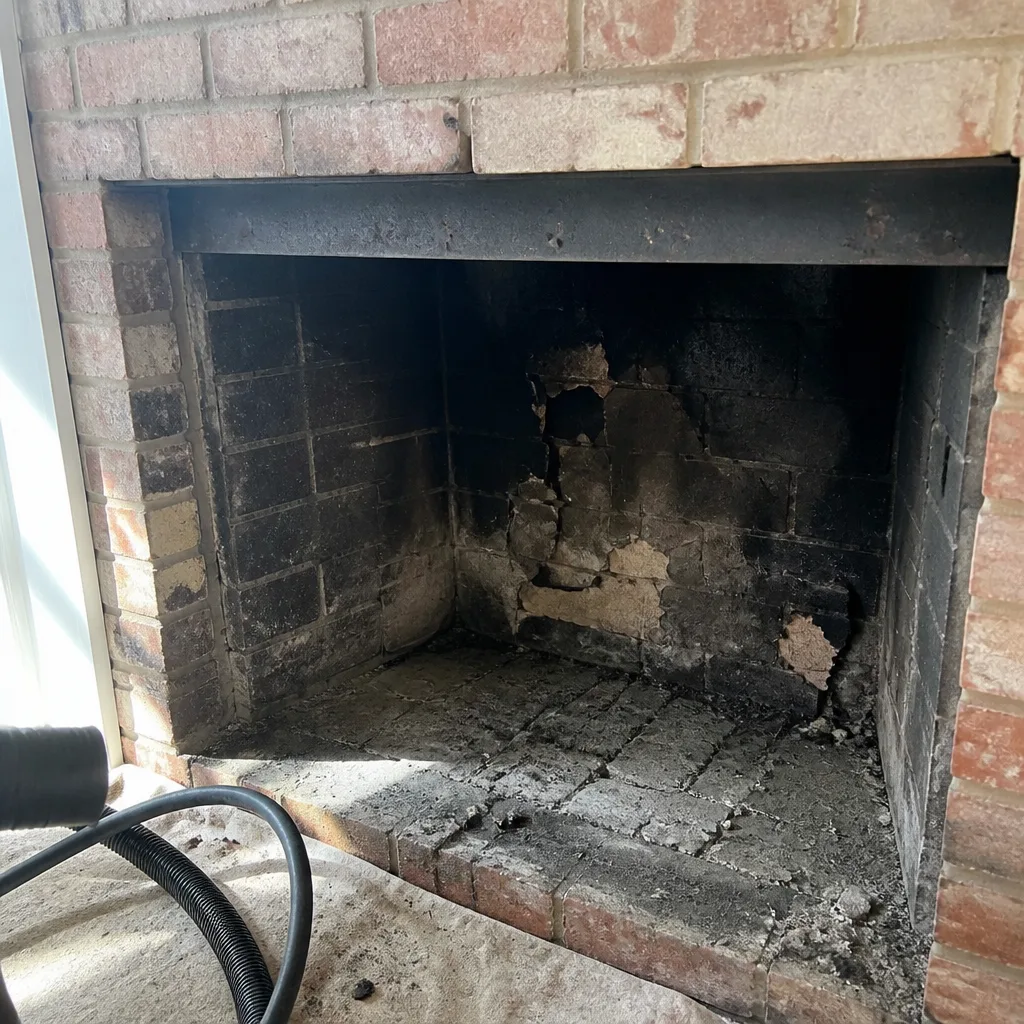 Before
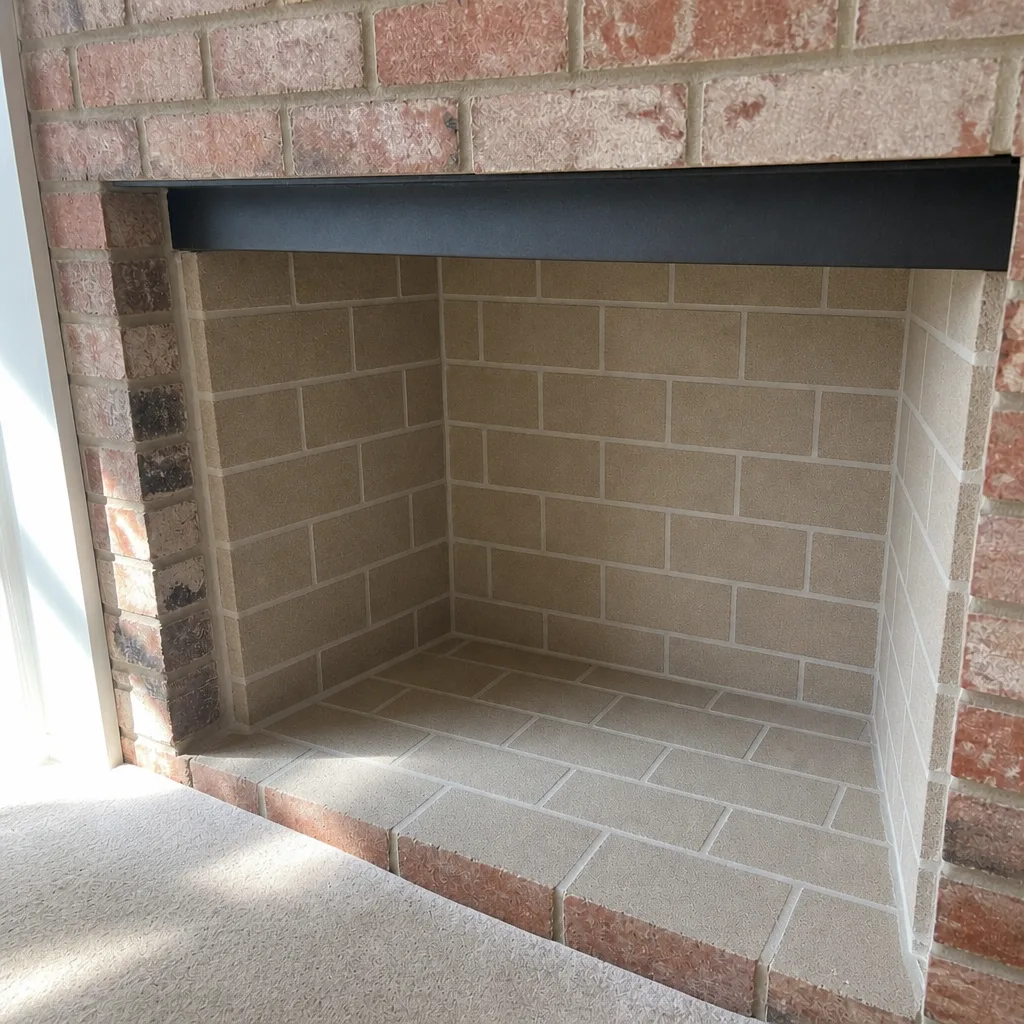 After
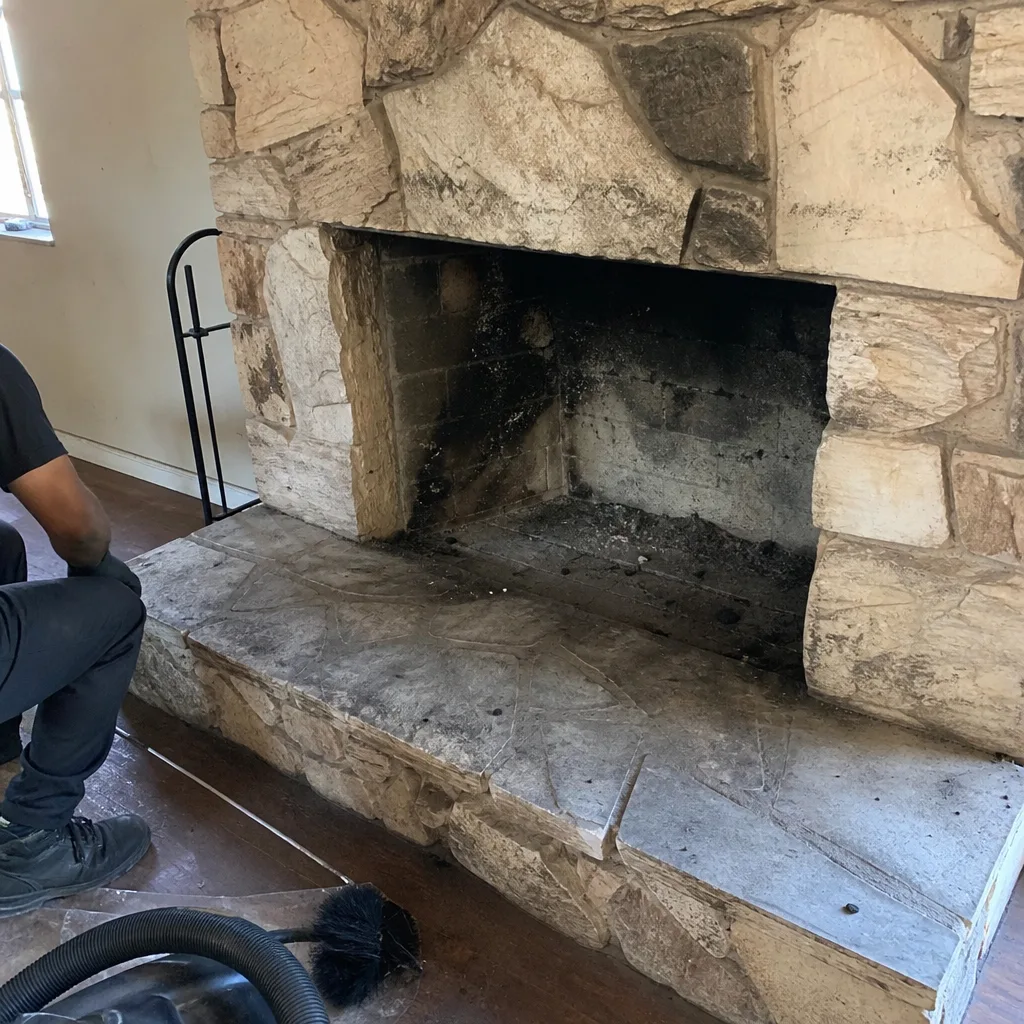 Before
 After
 Before
 After