
Last updated November 5, 2026
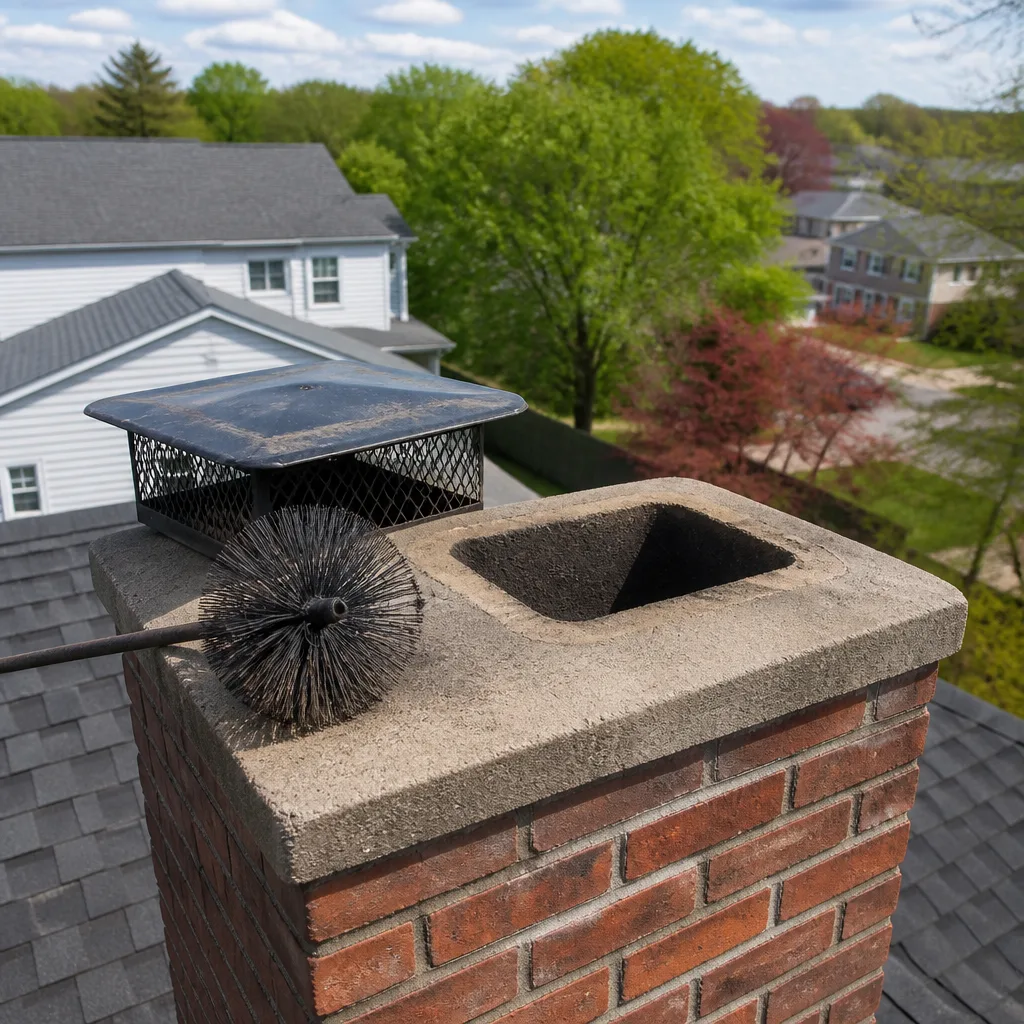 Sweep & inspection
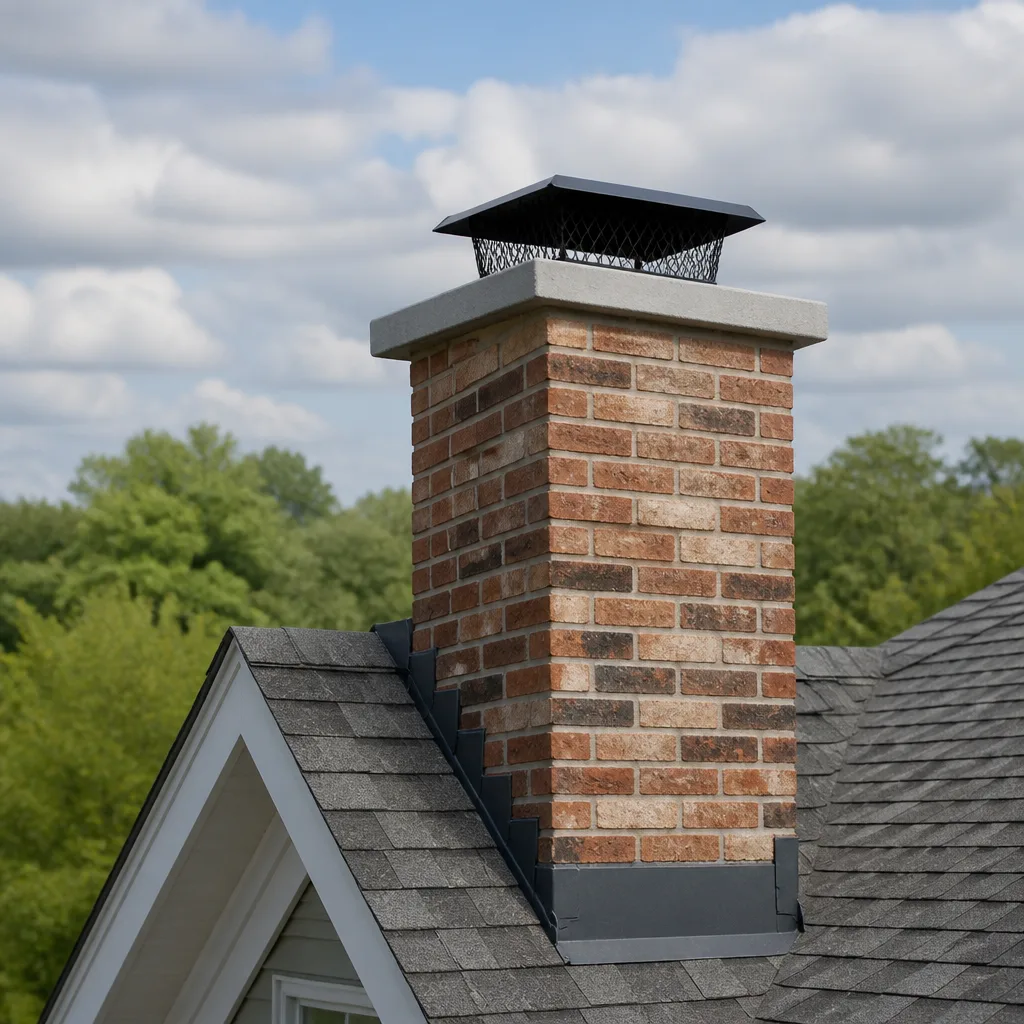 Caps & crowns
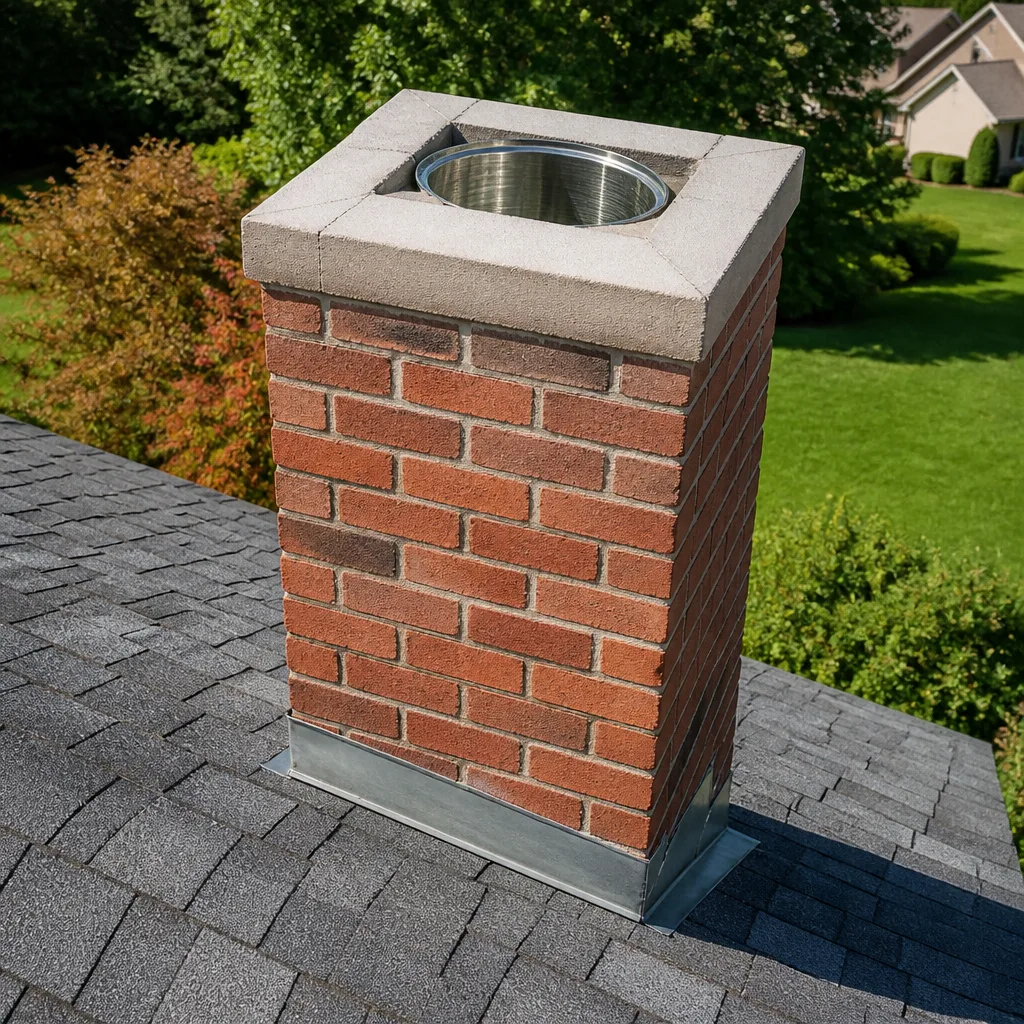 Flue relining
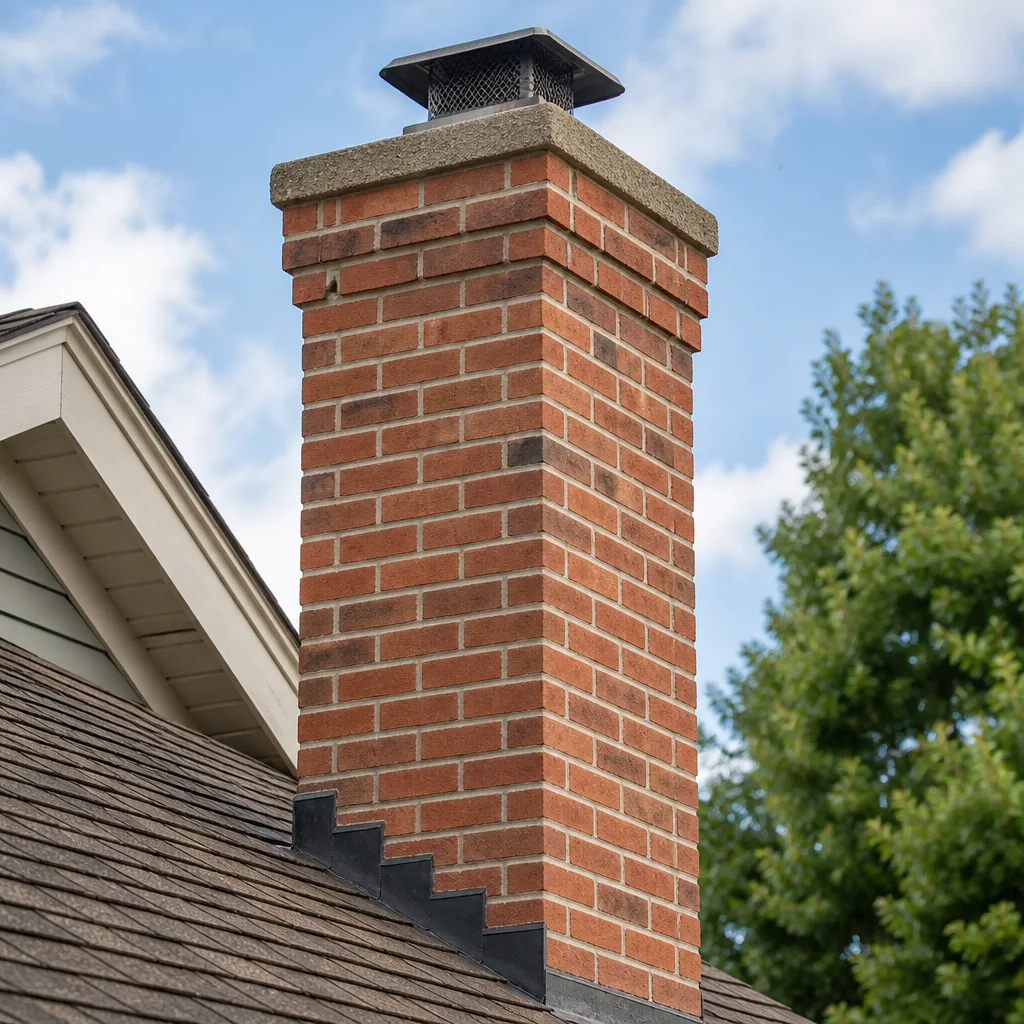 Masonry repair
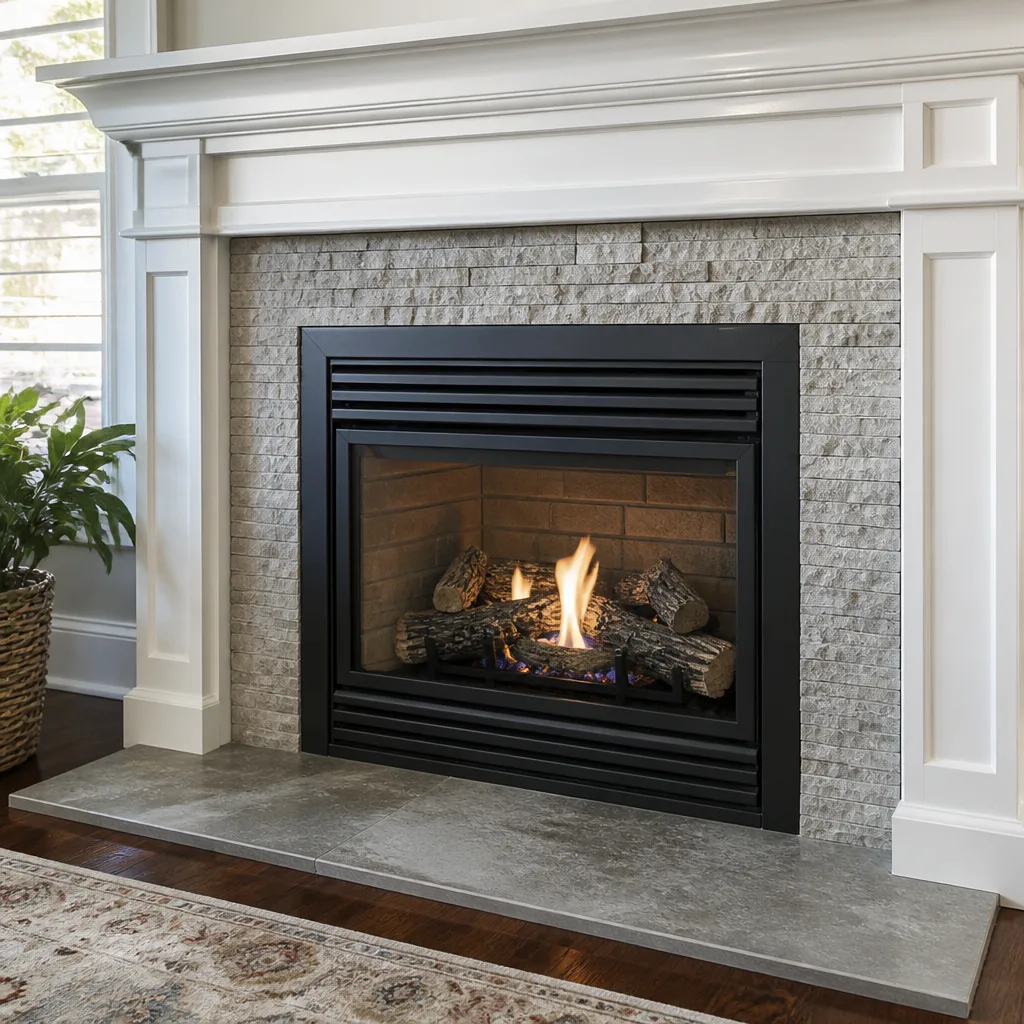 Gas fireplace service
Level 1 sweep and inspection to the NFPA 211 annual standard - flue, crown, cap, and flashing checked and photographed
Chimney sweep logs do not sweep chimneys. They loosen some creosote - which then falls where a brush and vacuum still have to collect it.
Chimney Cleaning Emergency Preparedness Guide for Fashion District Homes
Most chimney emergency guides assume a house on a country road with a wood stove burning all winter. That is not how fire happens in the Fashion District. Here, a chimney fire is far more likely to start in a fireplace that has not been lit in months, inside a building where the flue runs through shared walls and the neighbor’s unit sits six feet from yours. This guide covers what actually happens during a chimney emergency in downtown LA’s densest residential blocks, what to do in the first minute, and how to prepare your system so you never have to use this knowledge.
Styles & brands we work with
- Sweep & inspection
- Caps & crowns
- Flue relining
- Masonry repair
- Gas fireplace service
Quick Answer
Chimney fire preparedness in the Fashion District comes down to three things: knowing the warning signs of an active fire (a deep roaring sound, popping, dense smoke, sparks from the cap), knowing the emergency steps (evacuate, call 911, do not close the damper as your first move), and making sure your system was inspected before you ever light a fire. A neglected flue with bird nesting and dried organic debris is a one-match event, and in a multi-unit building that event affects people above, below, and beside you. Chimney sweep service is the prevention step; this guide is the response step.
Table of Contents
- How to Recognize an Active Chimney Fire
- What to Do in the First 60 Seconds
- Emergency Protocol for Multi-Unit Buildings
- The Parallel Threat: Dryer Vent Fires in Loft and Condo Chases
- What to Tell the Fire Department When They Arrive
- After the Fire: Why a Level 3 Inspection Is Mandatory
- Your Pre-Season Preparation Checklist
- Common Mistakes to Avoid
How to Recognize an Active Chimney Fire
A chimney fire is not subtle. If you are in the room when it starts, you will know something is wrong within seconds, but only if you know what to listen for. The sound is the first giveaway. Homeowners describe it as a low, deep rumble or roar coming from the flue, not from the firebox. It can sound like a freight train in the distance or a jet passing low overhead. That rumbling is the sound of combustion happening where combustion is not supposed to happen, up inside the chimney structure itself. Popping and crackling are also common, and they are not the normal crackle of a wood fire. They are louder and come from above the damper.
Visually, an active chimney fire produces dense, dark smoke pouring from the chimney cap, far thicker than normal fireplace smoke. You may see flames or a column of sparks shooting from the top of the chimney. In some cases, glowing embers fall onto the roof or into the flue chase. Inside the unit, you may notice the walls near the chimney getting unusually hot to the touch, or hear a metallic pinging as the liner expands under extreme heat. If you see any combination of these signs, you are not dealing with a normal fire. You are dealing with an active chimney fire, and the clock has started.
In our experience serving Fashion District buildings, the more dangerous version is the slow-burn fire that happens when a homeowner thinks the fire has gone out. Creosote can smolder for hours after the visible flames die down, spreading heat into the surrounding masonry or framing. That is why any unusual chimney behavior, even after the fire is out, warrants a call to a professional before the system is used again.
What to Do in the First 60 Seconds
Your first minute matters, and the order of operations is specific. The following steps are the protocol we recommend for any confirmed chimney fire in a Fashion District home:
- Get everyone out of the unit. Do not stop to gather belongings, do not investigate further. Chimney fires can spread into wall cavities and attic spaces faster than most people expect. In a multi-unit building, this also means alerting neighbors on your floor as you exit.
- Call 911 from outside. Report a chimney fire, not a fireplace fire. Give your exact building address, floor, and unit number. Tell them the chimney has an active fire and sparks are visible if that is the case.
- Close the fireplace doors or glass screen if you have one. This is the only closure step that helps, because it starves the firebox of air. Do not close the damper. Closing the damper does not stop a fire already burning above it, and it can force smoke and superheated gases back into the living space.
- If you can safely reach the gas or fuel supply to the appliance, shut it off. For gas log sets and inserts, this means the gas valve. For wood, do not throw water on the fire; the thermal shock can crack the firebox or liner.
- Stay outside until the fire department clears the scene. Do not go back in for pets, phones, or wallets. The fire department will tell you when it is safe to re-enter.
This is not the moment for heroics. The structure is now doing something it was never designed to do, and your job is to get yourself and your neighbors out of the building and let Fireside Chimney Sweep or another qualified professional deal with the aftermath once the fire is out.
Emergency Protocol for Multi-Unit Buildings
The Fashion District is not a neighborhood of detached single-family homes. It is a neighborhood of warehouse conversions, loft buildings, and mid-rise residential structures where the chimney from one unit may pass through the floor assembly of two or three other units. That changes the emergency math entirely. A chimney fire in a detached house is a contained event. A chimney fire in a multi-unit building is a building event.
When a chimney fire occurs in a shared structure, the first call after 911 should be to your building management or HOA, if it is safe to make that call. They need to know immediately because the fire may be spreading into a chase that serves multiple units. The fire department will also need access to the roof, the mechanical room, and any locked utility spaces. If you are a renter, your landlord needs to know the minute you are out of the unit, because their insurance, their maintenance logs, and their responsibility are now in play.
Reporting to LAFD is straightforward: call 911, say you are reporting a chimney fire at your address, and stay on the line. The dispatcher will ask about visible flames, smoke color, and whether anyone is still inside. Answer plainly. “The chimney is roaring and I can see sparks from the cap” is far more useful than “I think something is wrong with my fireplace.” LAFD responds to chimney fire calls as structure fires until proven otherwise, which is exactly what you want. The responding crew will need roof access, so make sure you or building staff can tell them how to get there.
In a building with shared vent chases, the fire department may want to inspect adjacent units for heat transfer. Cooperate with that. Heat can travel horizontally through wall framing even when the flue itself is intact, and the fire department is trained to look for exactly that. The more information you can give them about your chimney system, the faster they can rule out adjacent-unit risk and let everyone back inside.
The Parallel Threat: Dryer Vent Fires in Loft and Condo Chases
While chimney fires get most of the attention, the more common residential fire in dense urban buildings is the dryer vent fire. The ignition chain is simple: lint accumulates in the vent run, airflow drops, heat builds, and the lint reaches its ignition point. In a single-family home, that vent run might be eight or ten feet. In a Fashion District loft conversion, the dryer vent may run twenty, thirty, or forty feet through a chase that was retrofitted into a building never designed for laundry infrastructure. Longer runs mean more surface area for lint to collect, more joints where buildup can snag, and more places for a fire to start out of sight.
The warning signs of a dryer vent fire in progress are different from a chimney fire. You will not hear a roar. You may smell a burning odor, see the dryer getting hotter than normal, notice the cycle taking twice as long as it should, or find that the laundry room is suddenly humid with heat the exhaust is not carrying away. If you experience any of those, the dryer is the suspect, and dryer vent cleaning is the fix. In some cases, you may see smoke at the exterior vent outlet. That is a confirmed fire or near-fire condition, and the protocol is the same as a chimney fire: evacuate, call 911, and do not run the dryer again until the vent has been inspected and cleared.
For Fashion District buildings with shared vent chases, a dryer vent fire in one unit can spread to the chase and affect every other unit on the run. That is why annual dryer vent cleaning is not a suggestion in this neighborhood. It is basic building safety.
What to Tell the Fire Department When They Arrive
When the fire crew arrives, the details you provide shape how they approach the structure. The more you know about your chimney system, the more useful you are. The following information helps them assess spread risk and fire behavior:
- Fuel type: Is this a wood-burning fireplace, a gas log set, a wood stove, or a gas insert? Gas fires involve different risks than wood fires, including a live gas line that may need to be shut off at the meter.
- Liner material: If you know whether your chimney has a clay tile liner, a stainless steel liner, or no liner at all, say so. Stainless liners from makers like DuraFlex are designed to withstand specific temperature ratings, and that information helps the crew understand what they are dealing with inside the flue.
- Last service date: If you have had the chimney swept or inspected in the last year, say when. A recently cleaned chimney with an active fire suggests a different set of causes than a neglected one.
- Known issues: If a previous inspection flagged cracks, missing mortar, or a damaged cap, tell the responding crew. They are trained to read the structure, but your maintenance history accelerates their assessment.
- Building access points: Know where the roof access is, where the gas meter is located, and whether there are fire escapes or stairwell risks on the way up.
In our experience, the homeowners who can answer these questions are rare. Most people have never been told what kind of liner they have or when the last sweep was done. That is not a failing, it is the reality of buying a condo where the chimney was converted decades ago. But making a habit of knowing your system, because a professional told you during an inspection, turns you from a bystander into a useful resource during the response.
After the Fire: Why a Level 3 Inspection Is Mandatory
Once the fire is out and the scene is cleared, the most common mistake is assuming the system is fine because it looks fine from the outside. It is not fine. A chimney fire subjects the entire flue to temperatures far beyond normal operating range, and even a short-duration fire can crack clay tiles, warp a metal liner, compromise mortar joints, and damage the firebox. Those failures may be invisible from the living room.
Any chimney that has experienced a fire requires a Level 3 inspection before it can be used again. This is not a recommendation, it is the standard set by the National Fire Protection Association. A Level 3 inspection is more than a camera scan. It involves removing portions of the chimney structure or surrounding materials to access areas that cannot be seen with a standard Level 2 camera inspection. In many cases, the inspector will need to open up a section of the flue chase or the masonry to visually confirm the condition of the liner and surrounding framing. The fire department will often tell you directly that the system cannot be used until a qualified chimney professional clears it.
What that inspection covers is specific: the flue liner, end to end, for cracks and separations; the smoke chamber for heat damage; the firebox for structural cracks; the crown and cap for deformation; and the surrounding chase or framing for heat transfer. If the fire burned hot enough to damage the liner, the fix may involve a resurfacing system like HeatShield or a full reliner with a DuraFlex flexible liner. Neither of those is a sweep-and-go repair. Both require a contractor who actually repairs chimneys, not one who only cleans them. After the inspection, the written report becomes part of your building’s fire safety documentation, which matters for insurance and for future sale disclosure.
Your Pre-Season Preparation Checklist
Preparedness happens before the first fire of the season, not during an emergency. The following checklist covers the items that matter most for Fashion District homes:
- Schedule an annual chimney sweep and inspection before your first fire. Every fireplace, wood stove, insert, and gas appliance with a vent needs this. If you have not used the fireplace since last season, do not assume it is clean. Bird nests, debris, and dried organic matter accumulate in unused flues during the off-season.
- Test your smoke detector and carbon monoxide detector. Both are code requirements in LA multi-unit residential buildings. Test them monthly, replace batteries every six months, and replace the units themselves every ten years. A working CO detector is the difference between waking up and not waking up if venting fails.
- Have your dryer vent cleaned annually. The lint that builds up in a long loft vent chase will not be visible from the dryer. Professional cleaning blasts it out of the entire run, not just the first few feet you can reach with a brush from the appliance.
- Know where your gas shut-off is. For gas log sets and inserts, you should be able to shut off the gas to the appliance quickly. The valve is usually behind or below the access panel. If you do not know where it is, find out.
- Keep a record of your last inspection. Whether it is a photo on your phone or a paper report, having your last service date, liner material, and any flagged issues ready to show the fire department transforms a confusing response into an informed one.
- Clear the area around the fireplace. In lofts and condos, furniture often ends up closer to the firebox than it should be. Maintain a three-foot clearance from the firebox opening. That means rugs, wall hangings, and the sofa armrest all stay outside that radius.
For most Fashion District residents, this list takes under an hour to complete for the season, and most of it is phone calls and calibration. The payoff is that you never need to use the emergency protocol at the top of this guide.
Common Mistakes to Avoid
- Assuming an unused fireplace is a safe fireplace. In the Fashion District, many fireplaces sit dormant for months or years, then get lit on a cold evening. Unused flues accumulate bird nesting, debris, and dried creosote. An annual inspection catches that before the first match.
- Closing the damper during a chimney fire. The damper controls airflow below the fire, not above it. Closing it traps smoke and superheated gases in the living space and does nothing to slow the fire already burning in the flue.
- Using water to extinguish a chimney fire. Cold water hitting a hot firebox or liner can cause sudden thermal contraction, which cracks masonry and warps metal. The fire department handles suppression; your job is evacuation and notification.
- Running the dryer again after a slow cycle or burning smell. If the vent is blocked, the next cycle is the one that ignites. Stop using the appliance, unplug it or shut off the breaker if you can do so safely, and call for professional vent cleaning.
- Assuming a chimney fire “burned itself out” so the system is fine. The visible fire ending does not mean the creosote stopped smoldering inside the flue. A Level 3 inspection is required before the system returns to service, no exceptions.
- Not knowing what kind of liner the chimney has. Whether it is a clay tile liner or a stainless DuraFlex system matters for fire response and for future repair decisions. An annual inspection gives you this knowledge, and you should keep it somewhere you can find it fast.
When to Call a Professional
If you have experienced an active chimney fire, call a chimney professional before you even think about lighting another fire. The system needs a Level 3 inspection, and that is not optional. If you are seeing smoke rollback, hearing unusual sounds from the flue, or noticing soot falling into the living space, the system is telling you something is wrong. If your dryer is taking twice as long to dry and the laundry room feels hot, the vent is plugged and you are creating the conditions for a fire. Do not wait for the emergency to find a contractor. Fireside Chimney Sweep offers free estimates in Fashion District, call (844) 963-3205. We answer 24/7. Fast dispatch from 7am to 7pm, Sunday through Friday.
Frequently Asked Questions
An active chimney fire produces a deep roaring or rumbling sound from the flue, popping that is louder than normal fire crackle, dense dark smoke from the chimney cap, and sometimes a shower of sparks or flames from the top of the chimney. The walls near the chimney may get unusually hot. If you notice any of these signs, evacuate the unit and call 911 from outside, then call us at (844) 963-3205 once the fire is out to schedule the mandatory inspection.
No. Closing the damper does not stop a fire burning above it in the flue, and it forces smoke and superheated gases back into your living space. The only closure that helps is closing the fireplace doors or glass screen to reduce air feeding the firebox. Evacuation and calling 911 are the priorities.
After the fire department clears the scene, the system cannot be used again until it passes a Level 3 inspection by a qualified chimney professional. That inspection removes portions of the chimney structure to visually confirm the condition of the flue liner, masonry, and surrounding framing. In a multi-unit building, the HOA or building management should be notified immediately after the fire so they can assess risk to adjacent units.
Annually, even if the fireplace is rarely used. Los Angeles fireplaces sit idle for most of the year, and that idle time is when birds, debris, and dust collect inside the flue. The annual sweep removes that material before the first fire of the season, and the annual inspection identifies damage before it becomes an emergency. Call (844) 963-3205 for a free estimate.
The most common risk is not the chimney itself, it is the dryer vent in the same building. Long vent runs through converted warehouse spaces collect lint that builds into a fire hazard faster than most homeowners realize. The second most common risk is a neglected fireplace lit for the first time in months without an inspection. Both are preventable with annual service.
Most policies cover fire damage, but the specifics vary by carrier and by whether the fire is classified as sudden and accidental. The inspection that follows the fire, along with maintenance records showing the system was properly serviced, usually becomes the key document in the claim process. The best protection is prevention: an annual sweep and inspection by a qualified chimney professional creates the paper trail and reduces the risk of a claim ever being filed.
The Bottom Line
Chimney emergencies in the Fashion District do not follow the rural playbook. They happen in rarely-used fireplaces, inside shared building chases, and in dryer vents that run through converted warehouse spaces. The first minute of an active chimney fire is about evacuation and notification, not heroics. What happens after the fire is about mandatory inspection and professional repair using materials like HeatShield resurfacing and DuraFlex liners, not off-the-shelf substitutes. And the prevention step, an annual sweep and inspection carried out before the first fire of the season, is what keeps you from ever needing the first 60 seconds of this guide in the first place. Call (844) 963-3205 to schedule a free estimate. We answer 24/7. Fast dispatch from 7am to 7pm, Sunday through Friday.
Written by the team at Fireside Chimney Sweep, serving Fashion District since 2012.
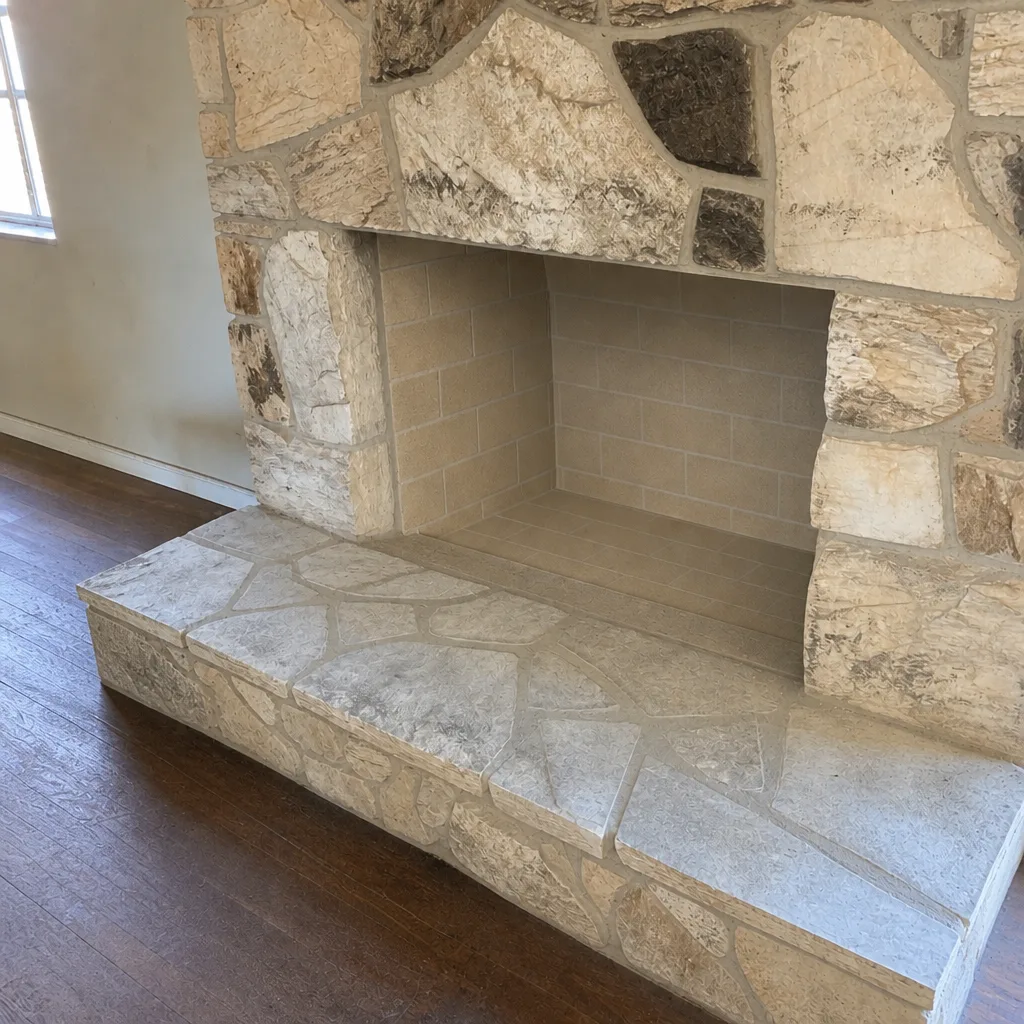
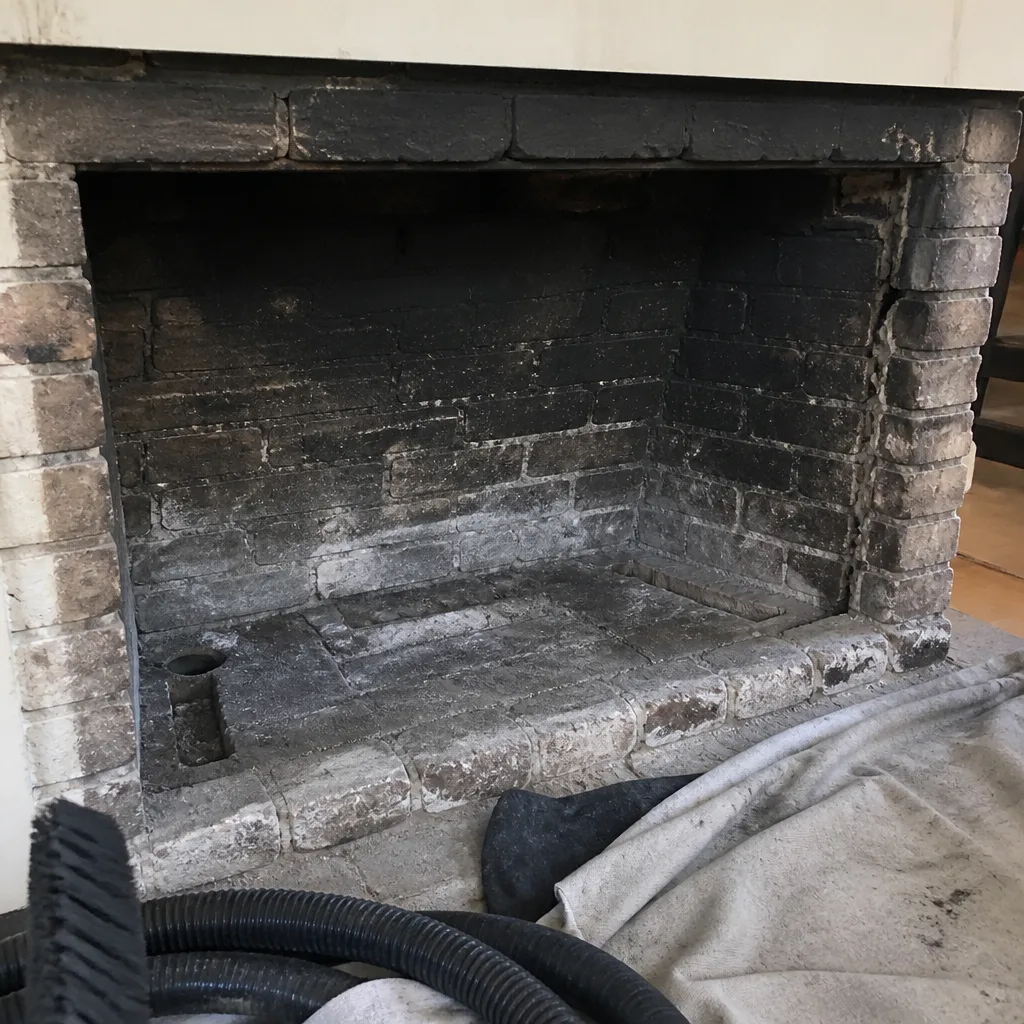
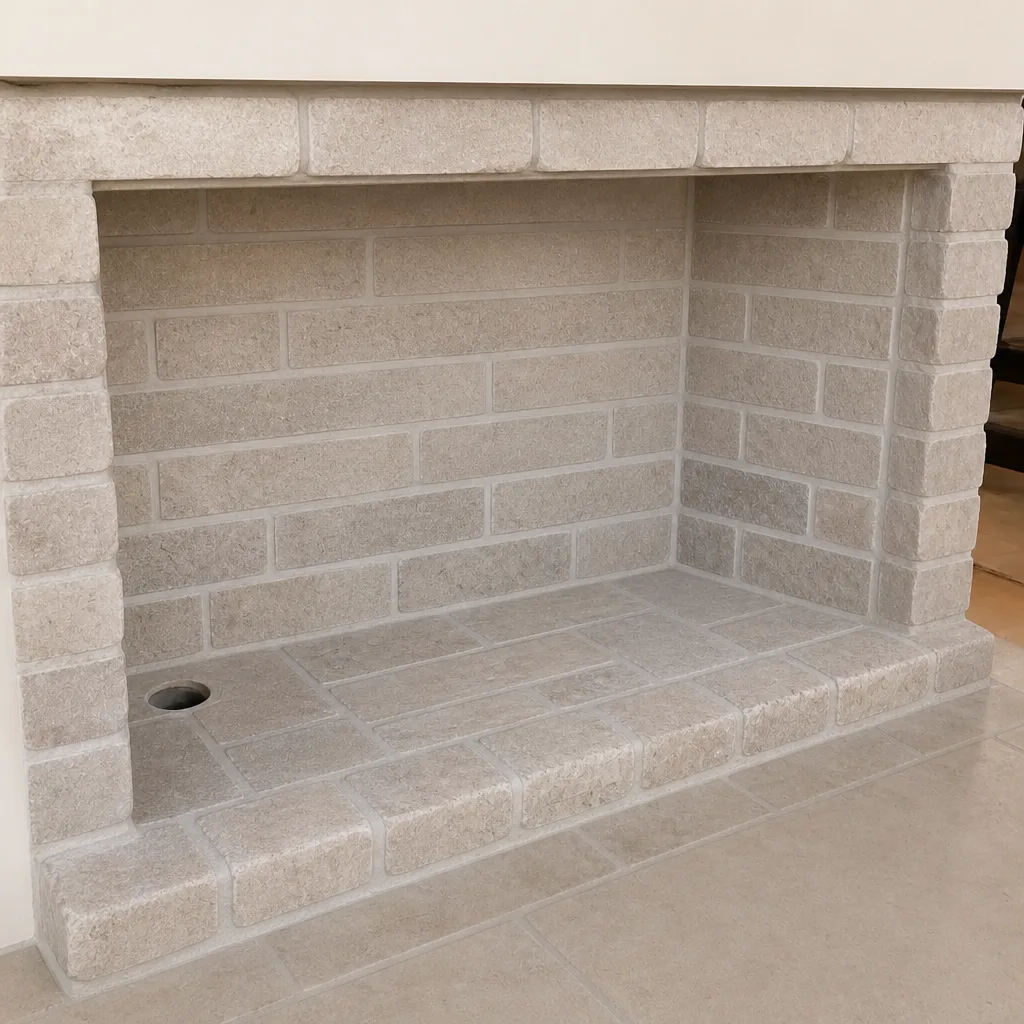
See the difference
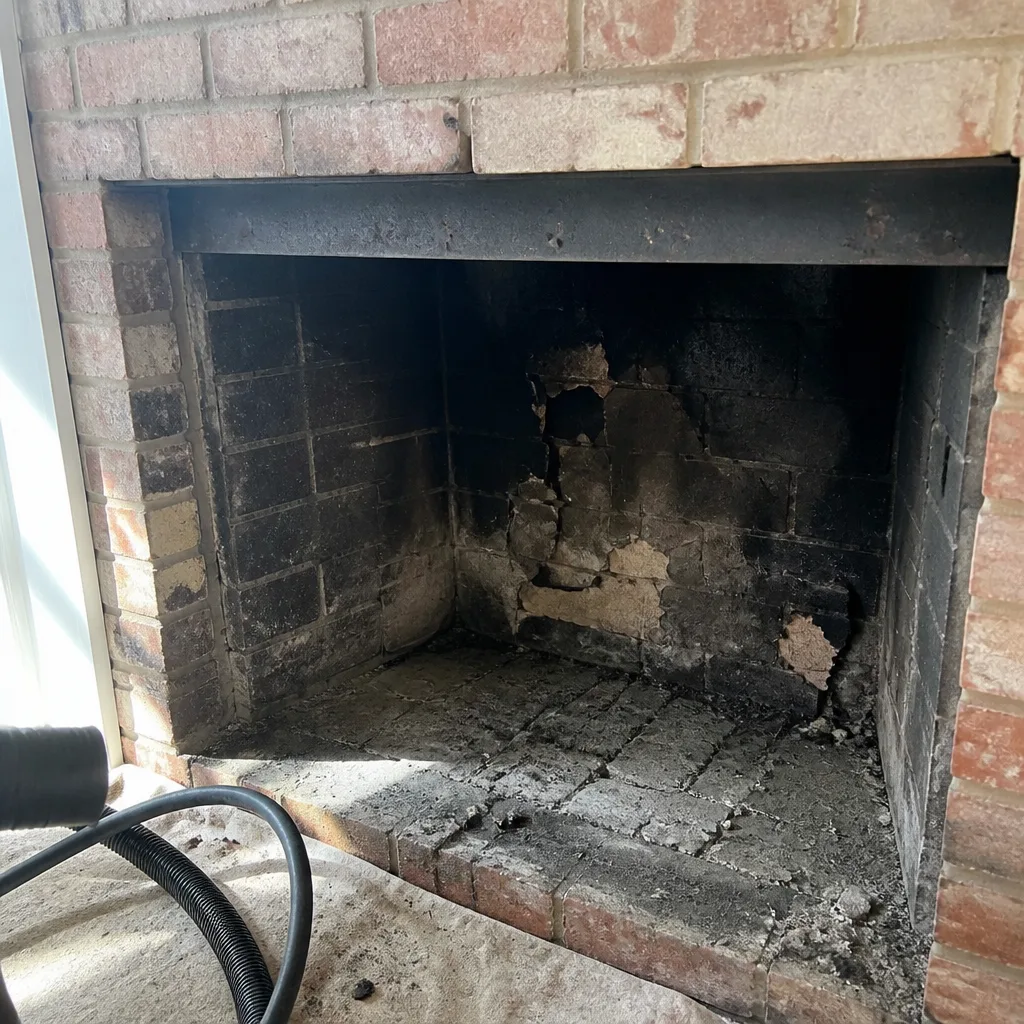 Before
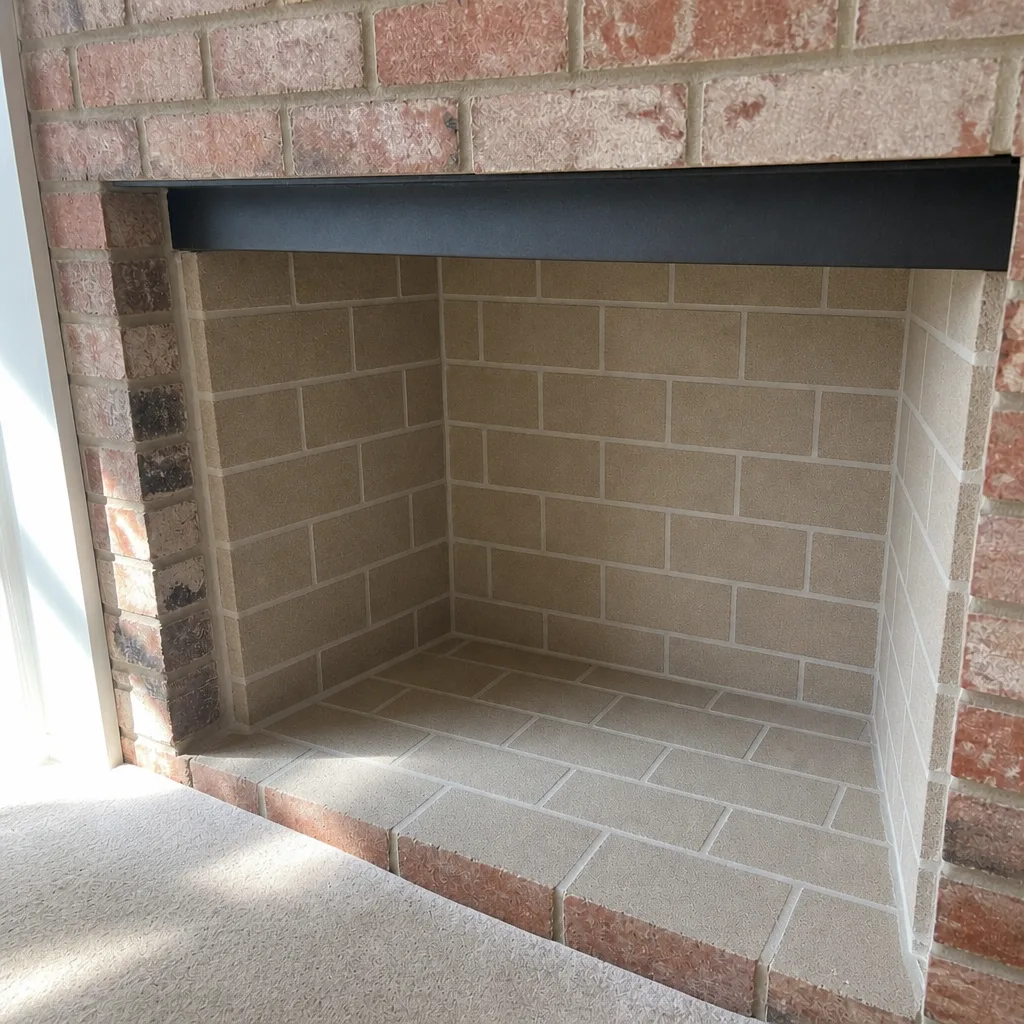 After
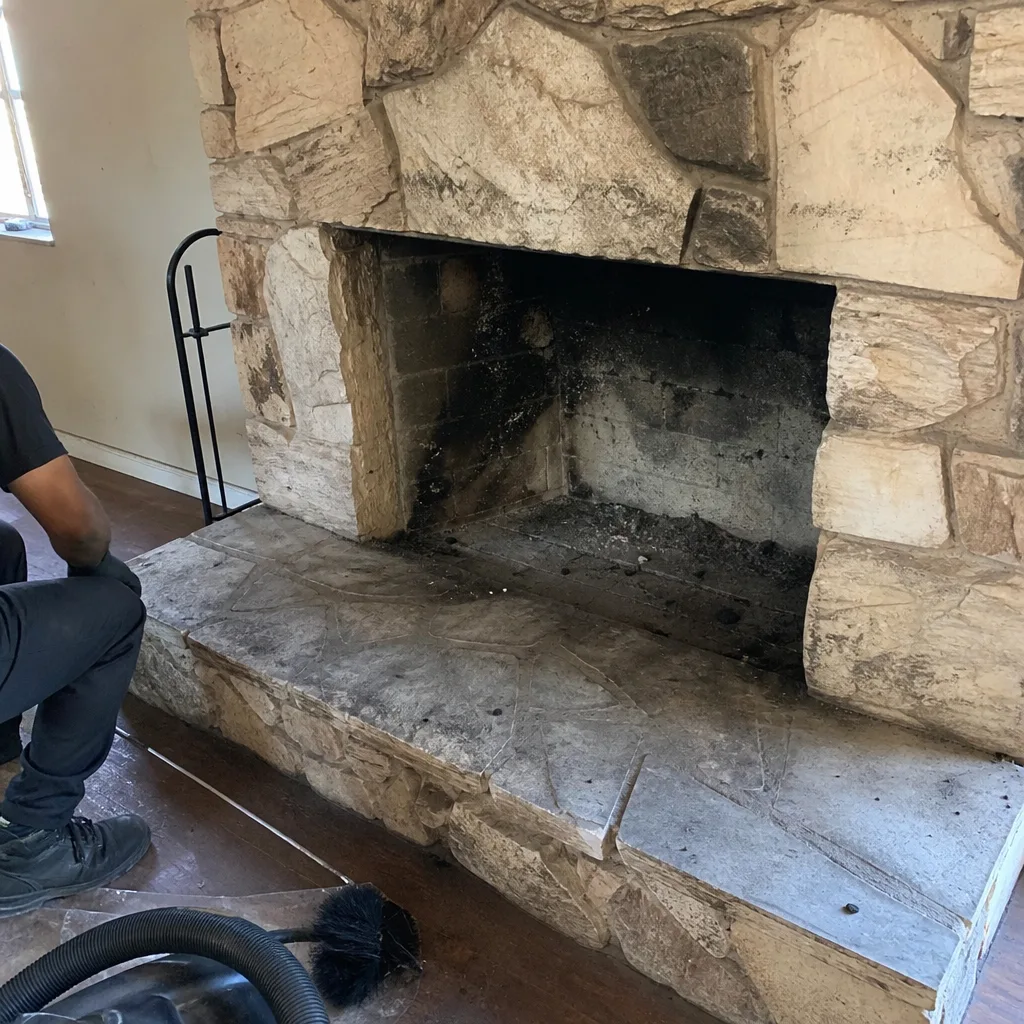 Before
 After
 Before
 After