
Last updated November 5, 2026
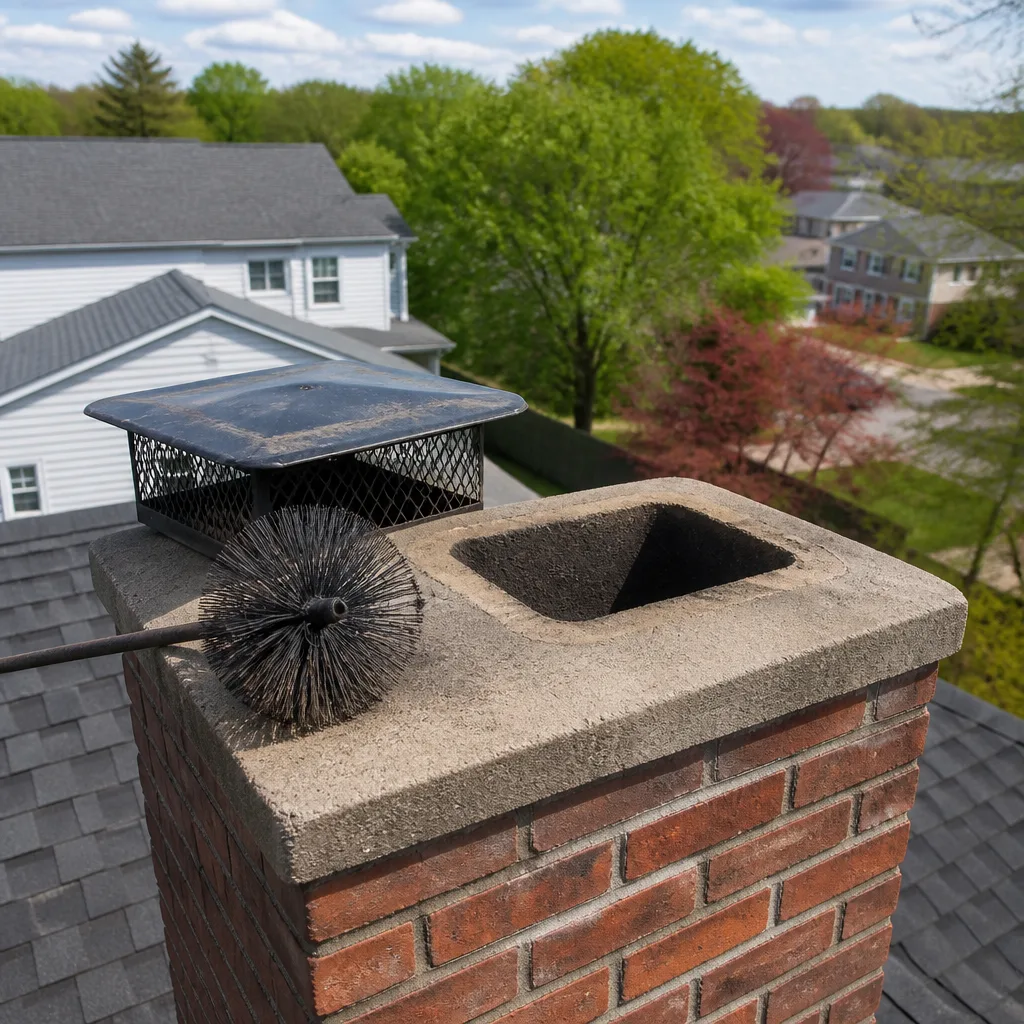 Sweep & inspection
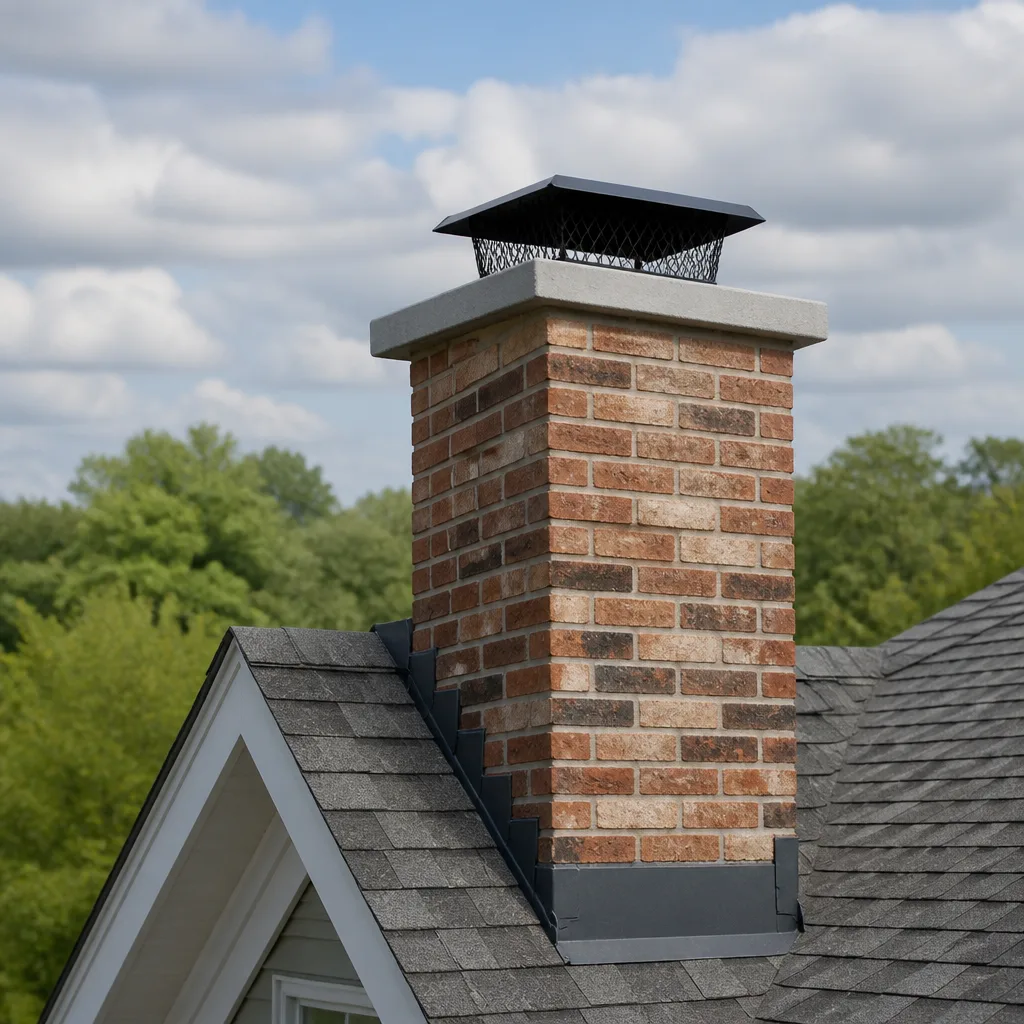 Caps & crowns
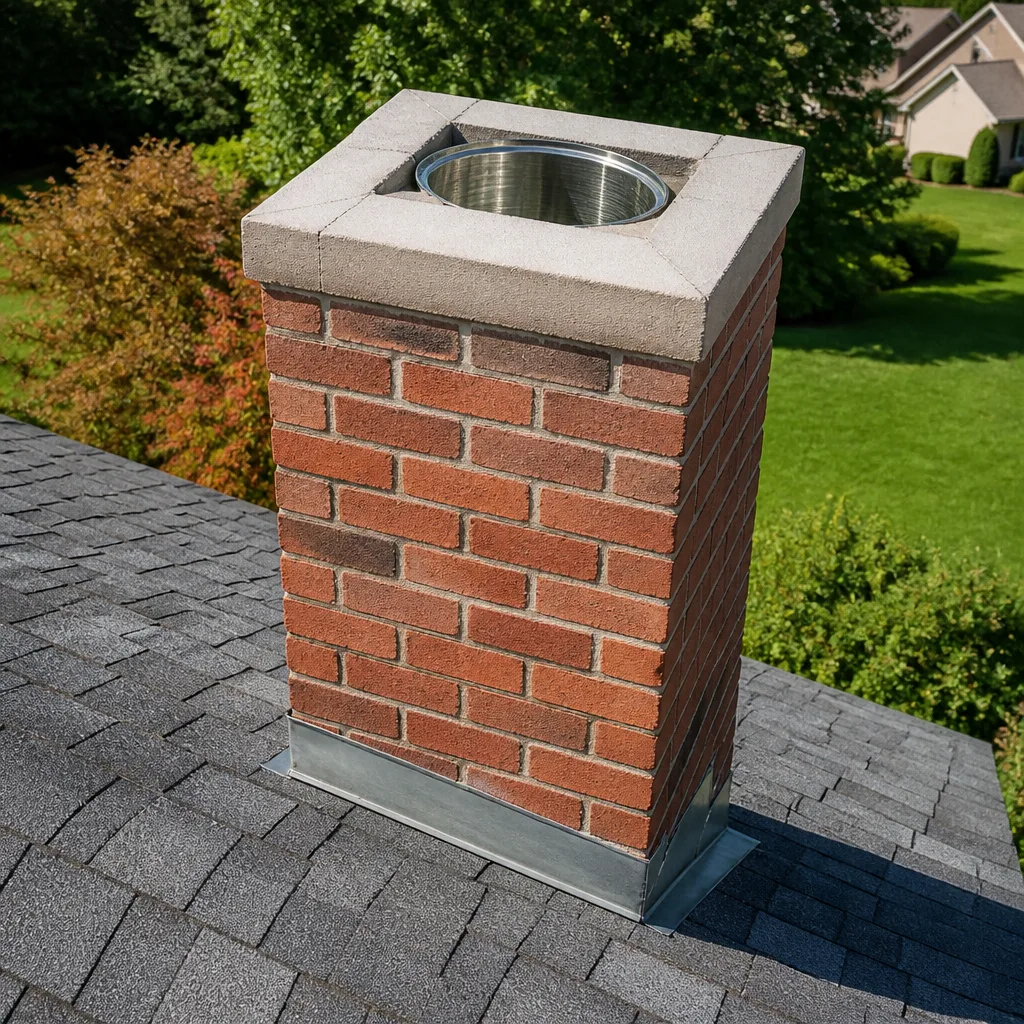 Flue relining
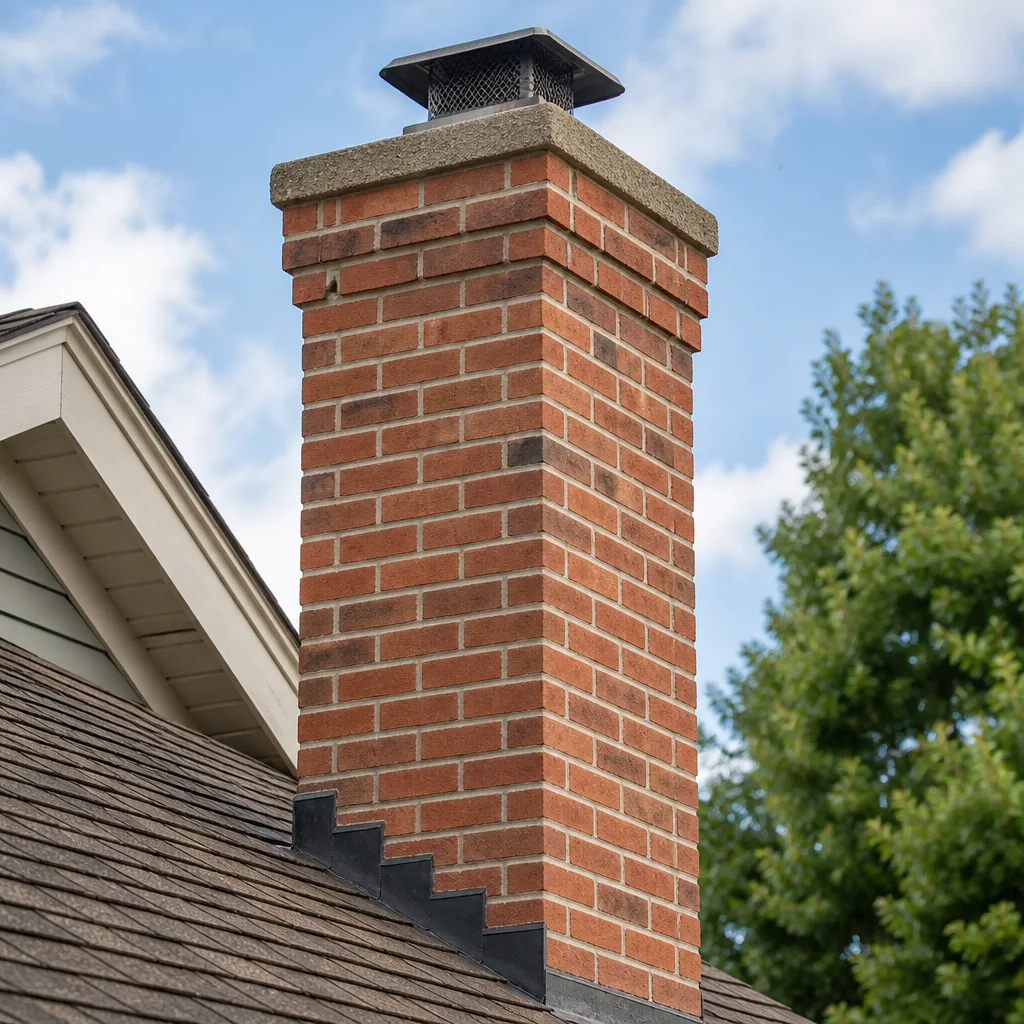 Masonry repair
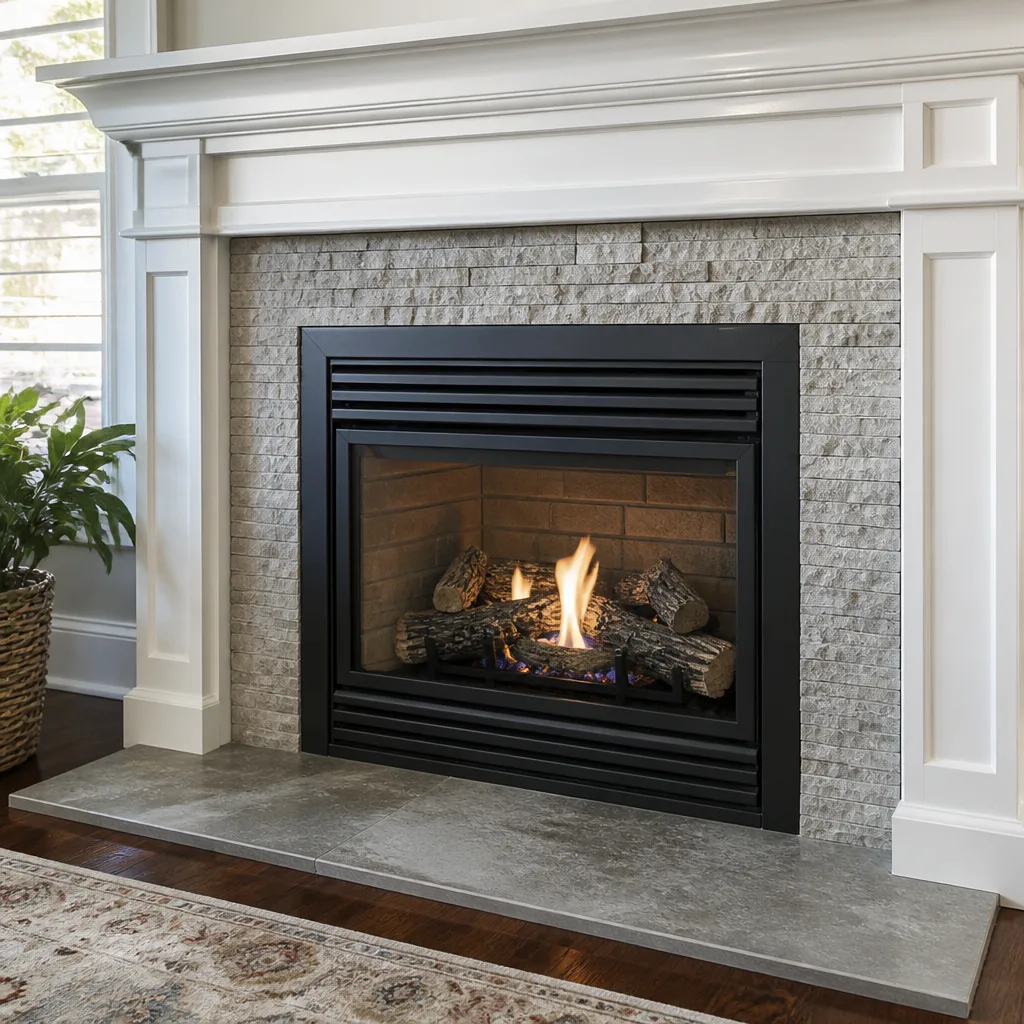 Gas fireplace service
Level 1 sweep and inspection to the NFPA 211 annual standard - flue, crown, cap, and flashing checked and photographed
Chimney sweep logs do not sweep chimneys. They loosen some creosote - which then falls where a brush and vacuum still have to collect it.
How to Hire a Chimney Cleaning Contractor in Fashion District: A Step-by-Step Guide
In Los Angeles, anyone with a ladder and a brush can legally call themselves a chimney sweep. The state doesn’t require a specific license for chimney work, which means the person you hire might be a general handyman, an HVAC tech picking up side work, or someone who bought a brush online last week. And in a neighborhood like the Fashion District, where condos, lofts, and converted industrial buildings sit wall to wall, hiring the wrong person doesn’t just mean a dirty flue. It can mean soot migrating into a neighbor’s unit, a missed crack that turns into a fire hazard, or a liner recommendation you can’t verify. This guide walks through exactly how to vet a chimney contractor in the Fashion District so you’re not gambling with a safety inspection disguised as a cleaning.
Styles & brands we work with
- Sweep & inspection
- Caps & crowns
- Flue relining
- Masonry repair
- Gas fireplace service
Quick Answer
To hire a chimney cleaning contractor in Fashion District, verify the technician holds CSIA certification, request proof of general liability and workers’ compensation insurance, insist on a camera inspection as part of the job, and get a written estimate with specific line items before any work begins. Then confirm the company carries professional-grade equipment like rotary systems and HEPA-rated vacuums, not just a basic brush set. If the contractor can’t provide all of those, call Fireside Chimney Sweep at (844) 963-3205 for a free estimate.
Table of Contents
- What Actually Qualifies Someone as a Chimney Contractor in Los Angeles?
- The Credentials That Matter: CSIA, Insurance, and What General Contractors Don’t Tell You
- The Equipment Question: What a Real Professional Carries (and What They Don’t)
- Red Flags Specific to Urban Los Angeles Contractors
- How to Read a Written Estimate: Line Items, Vague Language, and What “As Needed” Really Means
- The Step-by-Step Vetting Process in Fashion District
- What Proper Chimney Insurance Actually Looks Like
- What to Expect After You Hire: The Sweep, the Report, and Follow-Up
- Common Mistakes to Avoid
- When to Call a Professional
- Frequently Asked Questions
- The Bottom Line
What Actually Qualifies Someone as a Chimney Contractor in Los Angeles?
This is the uncomfortable truth most homeowners don’t learn until after a bad experience: California has no state-specific license for chimney sweeping. The Contractors State License Board licenses general building contractors, but chimney work doesn’t have its own classification. That means a plumber, a handyman, or a general contractor can add chimney cleaning to their service list without demonstrating any specific training in flue dynamics, creosote hazards, or liner inspection. We’ve seen the results firsthand in buildings across the Fashion District and greater Los Angeles. A contractor sweeps a flue but never looks at the mortar joints. They clean the visible firebox and call it done. They don’t mention that the flue tiles are cracked because they don’t know how to identify cracking without a camera. The burden of vetting falls entirely on you. This guide exists because the state won’t do it for you.
The practical consequence of this regulatory gap is that the term “chimney cleaning contractor” covers a wide spectrum. At one end, you have specialist companies whose entire business is chimney systems: sweeping, repair, relining, and restoration. These are the contractors who invest in professional-grade materials, ongoing certification, and equipment designed specifically for flue work. At the other end, you have general repair services that added chimney cleaning to their menu because winter demand in LA is steady and the barrier to entry is low. Structurally, the difference shows up in how thoroughly the work is scoped, how specific the inspection findings are, and whether the contractor can actually fix what they find rather than referring you elsewhere.
In a dense urban market like the Fashion District, this distinction matters even more than it would in a sprawling suburban housing tract. Multistory lofts with shared walls mean a chimney system isn’t isolated. Your flue might run through a converted industrial space, past someone else’s unit, or up a shared chase. Dust containment during a sweep isn’t optional; it’s a neighbor-relations issue. HEPA filtration, rotary cleaning heads, and a methodical approach to containment are what separate a professional job from a visible cloud of soot in the hallway. Ask how the contractor contains dust before you ask about price. The answer tells you a lot about the kind of company you’re dealing with.
The Credentials That Matter: CSIA, Insurance, and What General Contractors Don’t Tell You
The Chimney Safety Institute of America (CSIA) is the recognized credentialing body for chimney professionals. A CSIA Certified Chimney Sweep has passed testing on fire codes, clearance requirements, creosote science, and inspection procedures. It’s not a lifetime credential either: certified sweeps must recertify through continuing education, which means the person at your door isn’t relying on knowledge from a decade ago. When a contractor lists “certified” on their site, check what that actually means. Certified by whom? A manufacturer’s one-day product training is not the same as CSIA certification. You can verify a technician’s CSIA status through the institute’s online certification lookup, and any legitimate contractor will give you their certification number without hesitation.
Beyond individual certification, look for what the company carries in product authority. A contractor that specifies professional-grade components – like HeatShield resurfacing material for cracked flue tiles, or Gelco and Olympia Chimney components for caps and terminations – is signaling something important. They’re not grabbing whatever’s on the shelf at a supply house. They’re working with systems manufacturers whose products are engineered for flue applications. When we write an estimate for a repair in a Fashion District loft, the line items name actual products because flue work isn’t a commodity. HeatShield resurfacing is a specific solution for deteriorating flue tiles that doesn’t require tearing out the entire chimney. A contractor who offers it is equipped for restoration work, not just sweeping. A contractor who doesn’t know what it is has probably never done more than a basic sweep.
Insurance is the other credential gap, and it’s where homeowners in Los Angeles get burned. General liability insurance covers property damage, which matters when a chimney sits inside a shared building envelope. But if you’re hiring a contractor and one of their workers falls off your roof or drops a brush onto your neighbor’s balcony, workers’ compensation is the coverage that keeps you and your homeowner’s policy out of the claim. Many small operations carry general liability and skip workers’ comp to keep costs down. Ask for certificates from both policies – not just from the liability side. A real professional carries both, shows them on request, and doesn’t push back when you ask. If a contractor gets evasive about a workers’ comp certificate, that’s a signal their crew isn’t covered if something goes wrong. In a multi-unit building, that exposure extends to your neighbors.
One more credential worth asking about: camera inspection capability. This isn’t a certification, but it’s the practical dividing line between a cleaning service and an inspection service. A contractor who sweeps without a camera cannot tell you what the interior of your flue looks like. They can’t see hairline cracks, deteriorating mortar, or a liner that’s beginning to separate. They can only look up from the firebox and down from the roof and guess. After a sweep, you should receive or at least be able to review actual camera footage of your flue’s condition. If the contractor can’t provide that, they’re not doing a full inspection, and you’re paying for partial information.
- CSIA certification for the technician who will actually do the work (verify the number)
- General liability insurance: adequate coverage for a claim involving a neighboring unit
- Workers’ compensation insurance: not negotiable, especially for roof-adjacent work
- Camera inspection included as a standard part of the sweep, not an upsell
- Written estimate with named products (HeatShield, Gelco, Olympia Chimney, or Famco) if repairs are recommended
The Equipment Question: What a Real Professional Carries (and What They Don’t)
Equipment is where expertise either shows up physically or doesn’t. A basic brush set and a shop vacuum are what amateurs carry, and that’s a problem in a dense environment like the Fashion District, where your flue may be surrounded by residential units on multiple sides. A professional chimney cleaning contractor in this kind of market carries three things that tell you the work will be done right: a rotary cleaning system, a HEPA-rated vacuum, and a camera for inspection. Here’s why each matters.
A rotary system uses motorized rods and cleaning heads to actually break creosote and soot deposits off the flue walls, rather than just brushing the surface loose. In an urban environment with converted industrial buildings and older masonry, deposits that have baked onto the flue walls need mechanical removal. A hand brush can’t apply that kind of force. A rotary system can. If the contractor doesn’t use one, they’re doing a softer version of the job, and soft isn’t what you want when a flue hasn’t been cleaned in years. The systems we run allow for aggressive but controlled cleaning that doesn’t damage flue liners, and that distinction matters. Aggressive doesn’t mean reckless; it means effective.
HEPA filtration is non-negotiable for multi-unit buildings. A standard shop vacuum exhausts fine soot particles back into the air, and in a loft building or condo with shared hallways, that translates directly to soot migration into neighboring spaces. HEPA-rated vacuums trap the sub-micron particles that ordinary vacuums blow through, which keeps the dust where it belongs: in the chimney, not your living room, not the hallway, not the unit next door. Ask the contractor what vacuum they use. If the answer is “a shop vac,” keep looking. In a Fashion District property, dust containment is a courtesy to your neighbors and a basic professional standard.
The camera is the diagnostic tool. We use it on every job because the sweep itself only removes buildup; it doesn’t tell you whether the flue behind that buildup is sound. A camera inspection takes about fifteen minutes and gives you a visual record: flue condition, liner integrity, blockages, cracks, moisture intrusion. It’s the difference between “looks fine from here” and “here’s what’s actually happening in your flue.” Every estimate we write for repair work is backed by camera footage the customer can review. That camera footage is the basis of trust. No camera, no proof, no repair recommendation. You should apply that standard to any contractor you’re considering.
Red Flags Specific to Urban Los Angeles Contractors
Some red flags are universal: a contractor who won’t provide references, who pressures you for a decision on the same day, who demands full payment upfront. But the urban LA market has its own specific warning signs. We’ve spent enough time working in and around the Fashion District to know what to look for, and these are the patterns that should make you pause before signing anything.
- Quotes given over the phone without a site visit. A legitimate chimney contractor won’t give you a firm price without seeing the chimney. Flue length, liner condition, roof access, clearance to the roofline – these all affect the job. A phone quote is a guess, and a contractor who quotes without looking is either not planning to do thorough work or planning to change the price once they’re on site.
- Vague scopes of work. An estimate that says “chimney cleaning – $X” with no further detail is a red flag. What’s included? Is the firebox cleaned or just the flue? Is inspection part of the price or extra? Is a cap included? A real scope lists the specific areas serviced and the tools used.
- No camera inspection offered. In 2026, a chimney contractor who doesn’t offer camera inspection is telling you their business model is volume, not thoroughness. Camera technology is standard equipment for any company that actually diagnoses chimney systems. If it’s not part of the job, ask why.
- Door-to-door solicitation or “special today only” pricing. The chimney industry has a long history of itinerant workers who sweep quickly, claim urgent repairs, and leave town. In a transient market like Los Angeles, this pattern is amplified. A local company with a real reputation doesn’t need to knock on your door.
- Pressure to replace liners or rebuild before cleaning. A reputable contractor will clean first, inspect with a camera, and then tell you what actually needs attention. A contractor who diagnoses catastrophic liner failure before they’ve even looked with a camera is selling remediation, not inspection. In our experience, most chimneys need less work than an aggressive sales pitch suggests.
- No physical address or just a P.O. box. A local chimney company should have a verifiable presence. If you can’t tell where the contractor is actually based, you can’t hold them accountable when something goes wrong. Los Angeles is a big market, but a legitimate Fashion District area contractor will have a real footprint.
How to Read a Written Estimate: Line Items, Vague Language, and What “As Needed” Really Means
A written estimate is a contract in miniature. It should be specific enough that you could hand it to another contractor and have them understand exactly what work was scoped. Here’s what a proper chimney cleaning estimate in Fashion District looks like, line by line.
- The scope line. “Chimney sweep: full flue cleaning from firebox to termination, including smoke chamber, damper, and firebox.” If the scope doesn’t enumerate the sections, it’s vague. A real sweep addresses every part of the chimney interior, not just the flue body.
- Inspection line. “Camera inspection of flue interior, including review of liner condition, mortar joints, and obstructions.” Camera inspection should be explicit. It’s not a bonus; it’s the diagnostic core of the visit.
- Equipment notation. “Rotary cleaning system with HEPA-rated vacuum containment.” If the equipment isn’t named, you can’t verify what kind of job you’re paying for. Ask for it in writing.
- Findings-based line items. If the inspection turns up a problem, a repair estimate should name the specific material: “HeatShield resurfacing for cracked tile in the smoke chamber,” “Gelco stainless cap replacement,” “Olympia Chimney top-sealing damper.” Product names mean the contractor is recommending a specific solution, not a generic description.
- Labor and materials separation. Materials should be itemized. Labor should be a discrete line. If the quote is a single lump sum with no breakdown, you have no way to evaluate whether a repair quote is reasonable.
The phrase “cleaning as needed” is one to watch carefully. In a scope of work, “as needed” typically means the contractor will decide on site whether a component needs cleaning, and the price is already fixed. The issue is that “as needed” can also be used as a hedge for work the contractor doesn’t intend to do thoroughly. Ask for specificity. “The damper will be cleaned daily” or “the smoke chamber will be cleaned as needed based on camera inspection” is very different from “we’ll clean what needs cleaning.” In practice, a reputable contractor will show you exactly what they’re doing and why, and will document what they did with photos or camera footage.
Here’s a line-item breakdown of what a typical sweep and inspection should include, written so you can compare it against any estimate you receive:
- Flue body cleaning (rotary sweep, full height)
- Smoke chamber brushing and inspection
- Damper inspection and cleaning
- Firebox cleaning (sides, floor, back wall)
- Camera inspection with findings documentation
- Chimney cap inspection (visual, from roof)
- HEPA vacuum containment during and after sweep
- Post-sweep area cleanup and soot residue test
If your estimate doesn’t specify most of these, ask why. In our experience, a contractor who writes a detailed scope is a contractor who does detailed work. The written estimate is the paper trail that protects you, and specificity is the protection.
The Step-by-Step Vetting Process in Fashion District
Let’s make this concrete. Here is the six-step sequence we recommend to any homeowner hiring a chimney contractor in the Fashion District, written from the perspective of what we would want if we were hiring for our own building.
- Start with certification verification. Look for CSIA certification on the company’s site, then verify it directly through the CSIA’s public portal. If the company doesn’t list a certification number, call and ask for it. A certified company gives it to you without friction. If they can’t, move on.
- Request insurance certificates for both policies. Ask for a certificate of general liability with adequate coverage limits for multi-unit property, and a certificate of workers’ compensation. Read the policyholder name carefully. It should match the company you’re hiring, not a subcontractor’s name.
- Ask about equipment by name. When you call, ask specifically what system they use for cleaning. “We use brushes” is a minimum answer. “We use a rotary system with HEPA-rated vacuums and camera inspection” is the answer you want. If the person on the phone doesn’t know what a HEPA vacuum is, they’re not the person doing the work.
- Request an on-site estimate. We never quote without seeing the job, and neither should any contractor you’re considering. An in-person visit lets the contractor check roof access, flue condition, and the specifics of your building. It also shows you whether the contractor shows up on time and treats the job seriously.
- Review the written estimate carefully. The scope should be specific, the line items should name materials for repairs, and there should be no vague “as needed” language without explanation. If anything feels thin, ask for detail. A contractor who won’t write detailed scope is rarely a contractor who does detailed work.
- Confirm documentation after the job. Ask what you’ll receive after the sweep. We provide a written report with camera images documenting flue condition after every service. If a contractor says they’ll just tell you what they saw, that’s a memory-dependent report, and memory is not documentation. Ask for the camera footage.
This process sounds like a lot of work, and it is. But in an unregulated market, the vetting is the job. The alternative is hiring someone who can’t answer these questions, and matching that to a chimney system inside a shared building. In the Fashion District, that’s not a gamble worth taking.
What Proper Chimney Insurance Actually Looks Like
We covered the two policies briefly in the credentials section, but this deserves its own discussion because insurance is where urban Los Angeles chimney claims go wrong in predictable ways. Soot and smoke damage claims are not like a broken window. They involve fine particulate matter that migrates into wall cavities, HVAC returns, soft furnishings, and neighboring units. Cleaning it up properly is expensive, and a general liability policy with a minimal coverage limit won’t touch a real remediation bill.
General liability covers property damage and bodily injury to third parties. So if a contractor’s work causes a soot incident that damages your neighbor’s unit, that’s a third-party property damage claim against the contractor’s general liability policy. But here’s the catch: the coverage limit matters enormously. A policy with a $50,000 limit may not cover the cost of professional soot remediation across multiple rooms, especially in a building where the HVAC system circulated soot into common areas. Professional soot removal after a major chimney incident can run far beyond that. Ask for at least a $1 million general liability limit, and check that the certificate lists the specific policy term and not an expired period. Contractors sometimes send old certificates because they haven’t renewed the policy.
Workers’ compensation is a separate issue and equally important. If a technician falls from your roof or is injured while working on your property, workers’ comp covers their medical care and lost wages. If the contractor doesn’t carry workers’ comp, that injury could fall to your homeowner’s policy, or you could face a direct claim. It’s especially relevant for chimney work in a city like Los Angeles, where roof access is often through a hatch or over a parapet, and ladders are a standard part of the job. Workers’ comp isn’t a luxury; it’s baseline protection for you and for the technician. Any contractor who works without it is relying on you not to ask about it.
A real chimney professional shows both certificates on request. The certificates should list the contractor’s company name as named insured, not a trade name that may or may not be connected to an actual legal entity, and the policy periods should be current. We’ve seen certificates from companies that haven’t existed in years, attached to estimates from uninsured operators. The fix is simple: verify by calling the insurance carrier if you have any doubt. It takes five minutes and it prevents a potentially costly assumption.
What to Expect After You Hire: The Sweep, the Report, and Follow-Up
When the contractor arrives, pay attention to how they set up. Drop cloths should go down around the firebox before the sweep begins. The vacuum should be running while the cleaning is done, not after. In a multi-unit building, proper containment isn’t ceremonial; it’s the whole ballgame. If a crew starts sweeping a flue in a Fashion District loft without protecting the surrounding floor and furniture, that’s a signal the job isn’t being done the way it should be.
The sweep itself typically takes one to two hours, depending on flue length and buildup. A rotary system runs up and down the flue to dislodge creosote and soot, and the HEPA vacuum runs continuously to capture it. After the sweep, the camera goes in. This is the part of the job that takes expertise: a technician is reading a moving video feed, identifying cracks, gaps, moisture stains, and deterioration in real time, while the customer is watching the same screen. You should be able to see what the technician sees. If the camera shows something concerning, the technician should be able to explain what it means in plain language, right there.
After the job, you should receive some form of written or digital report: what was done, what was found, what the camera showed, what recommendations follow. If a repair is recommended, that recommendation should be backed by the camera footage. We never recommend a repair without showing the customer the footage that justifies it. That’s how a professional operates. If a contractor comes down from your roof and says you need a liner rebuild but offers no video evidence, you’re being asked to trust an assertion without a basis. Ask for the footage.
Then comes the follow-up. A good contractor will check in after the job to confirm everything’s working well, answer questions about the report, and talk through any recommendations. A no-follow-up clearance contractor is telling you the relationship ended when the payment cleared. That’s not a red flag by itself, but it’s a signal about the kind of company you’re dealing with. The full-service chimney contractor in LA values the ongoing relationship because the chimney needs annual attention. The one-time operator doesn’t care.
Common Mistakes to Avoid
- Choosing a general handyman for chimney work because they’re already doing something else in your unit. A handyman’s convenience ends at the firebox. Chimney work requires specific tools and a specific understanding of flue systems, and a handyman with a brush isn’t a chimney professional.
- Accepting a phone quote without a site visit. Chimney conditions vary so much between buildings, even in the same block in the Fashion District, that a legitimate estimate requires an on-site look. Phone quotes are guesses, and guesses get revised upward.
- Not asking about HEPA containment in a multi-unit building. Soot migration into a neighbor’s unit turns a $200 sweep into a multi-thousand-dollar remediation claim. HEPA vacuums are the difference, and they’re not optional in dense residential buildings.
- Hiring an uninsured contractor to save money. The most expensive chimney job is the one where someone gets hurt or a neighbor’s property gets damaged and no one has coverage. Insurance is part of the price of professionalism.
- Paying in full before the work is completed. Deposits are common for large repairs, but full payment before the job is done is a red flag in any trade. Legitimate chimney contractors don’t require it.
- Skipping the annual sweep because the fireplace “wasn’t used much.” Even occasional use builds creosote, and an unused chimney is still a chimney that weathers, hosts debris, and develops structural issues. Annual inspection is the minimum standard, regardless of use.
When to Call a Professional
If you’ve had a chimney inspection or sweep and received a report that mentions flue cracks, deteriorating mortar, a liner that’s starting to separate, or a blockage you can see from the firebox, it’s time to call a professional. Similarly, if you’ve noticed smoke rollback into the living space, a persistent smoky smell even when the fireplace is cold, or visible cracks in the firebox brick, those are signs the system needs attention. In the Fashion District, these conditions don’t self-resolve in the mild climate; they’re structural issues that worsen over time. Our technicians carry the professional-grade products to address them directly: HeatShield for cracked flue repair, Dupont and Famco for caps and dampers, and we don’t recommend anything without camera evidence you can see for yourself. Fireside Chimney Sweep offers free estimates in Fashion District – call (844) 963-3205. We answer 24/7. Fast dispatch from 7am to 7pm, Sunday through Friday.
Frequently Asked Questions
A standard chimney sweep and camera inspection in the Fashion District typically runs between $250 and $450, depending on flue height, accessibility, and the amount of buildup present. If repairs are recommended, those are quoted as separate line items after the camera inspection shows what’s actually needed. Every estimate is free, and the written estimate sets the final price before any work begins. Call (844) 963-3205 for an exact quote after an on-site look at your chimney.
You need the camera. Without it, the technician can’t see most of the chimney interior – the smoke chamber, the upper flue, the section behind the damper – and has no visual record of liner condition. A camera inspection is the difference between a cleaning and a diagnosis. If a contractor doesn’t offer it, hire a different contractor.
The National Fire Protection Association recommends annual inspection regardless of how often you use the fireplace, and cleaning when creosote buildup reaches a certain thickness. In practice, most homeowners in the Fashion District should have their chimney inspected every year and swept at the same time if the technician determines it’s needed. Annual inspection is the minimum, not the maximum.
Creosote builds up on the flue walls and inside the smoke chamber. Creosote is combustible, and a hot flue temperature can ignite it into a chimney fire that spreads into the structure through cracks in the flue or deteriorating mortar. Cracks also allow carbon monoxide into your living space. The mild winters in Los Angeles mean chimneys run longer into the season and see more cycles than many homeowners realize. A skipped year is a year of visible, fixable buildup becoming a hidden hazard.
You only need a new liner if the existing one is cracked, separating, or improperly sized, and those conditions should be visible on camera footage. We don’t recommend liner replacement without showing you the footage that justifies it. In many cases, HeatShield resurfacing can restore a flue without a full liner replacement, which is a less invasive and less expensive option. Ask the contractor to show you the camera evidence before you agree to any liner work.
The right one can. Dryer vent buildup is the leading cause of residential dryer fires, and a professional chimney sweep who also offers dryer vent cleaning can address both systems in the same visit. It’s a convenient way to handle two fire-prevention tasks at once, and the same HEPA containment and inspection standards apply. Call (844) 963-3205 to ask about bundled pricing for chimney and dryer vent service.
The Bottom Line
Hiring a chimney cleaning contractor in Fashion District comes down to a few non-negotiables: CSIA certification, both insurance policies, camera inspection, rotary equipment with HEPA containment, and a written scope with named materials. In a market with no state license for chimney work, those are the standards that separate a specialist from a generalist. Verify certification, ask for insurance certificates, demand camera evidence, and read the estimate carefully. Fireside Chimney Sweep meets all of those standards, and every estimate we write in Fashion District is free. Call (844) 963-3205. We answer 24/7. Fast dispatch from 7am to 7pm, Sunday through Friday.
Written by the team at Fireside Chimney Sweep, serving Fashion District since 2012.
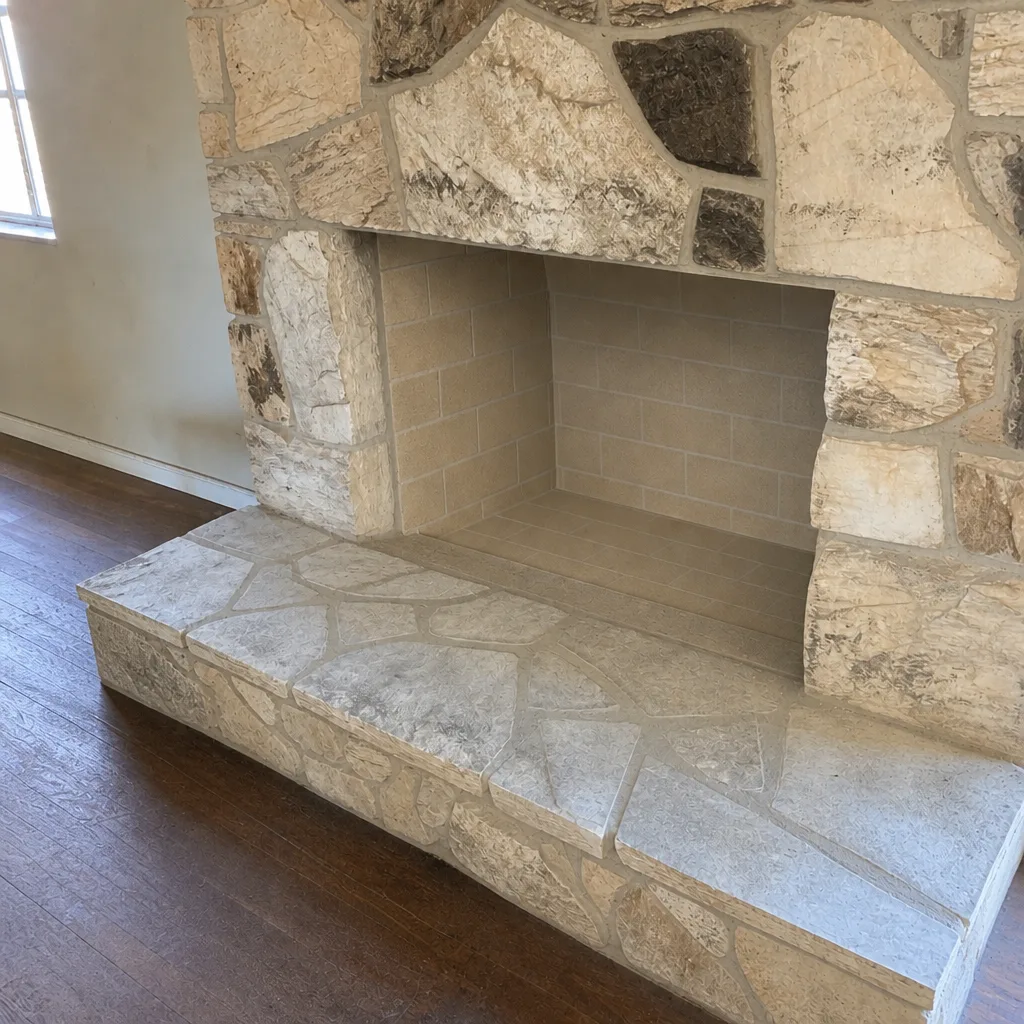
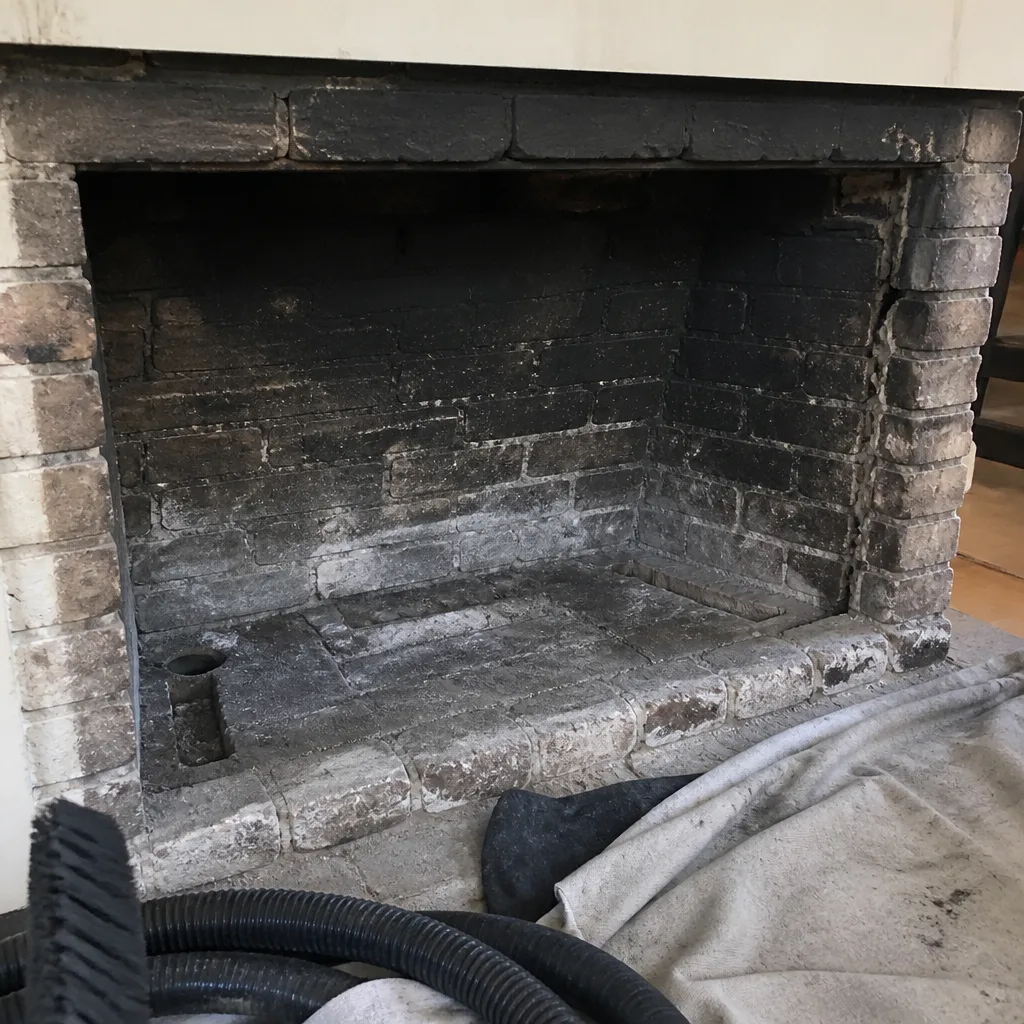
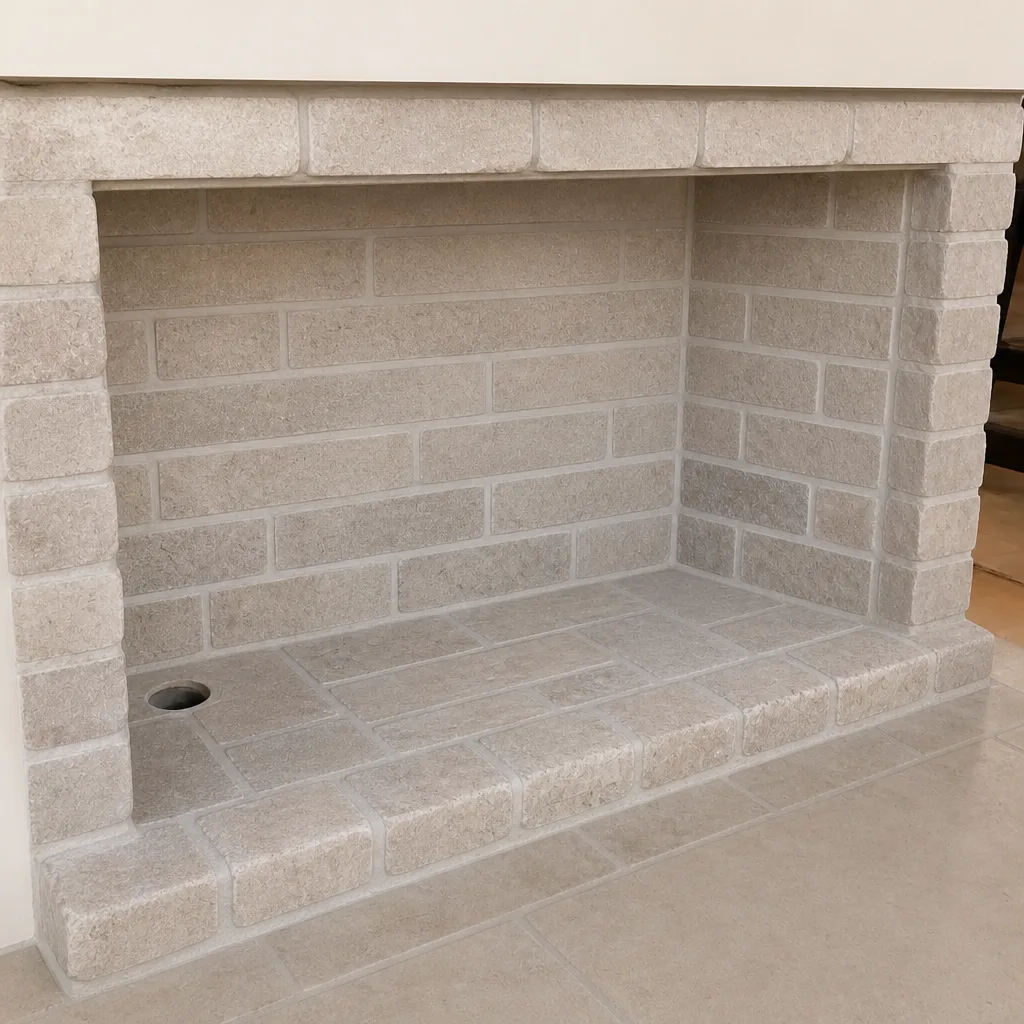
See the difference
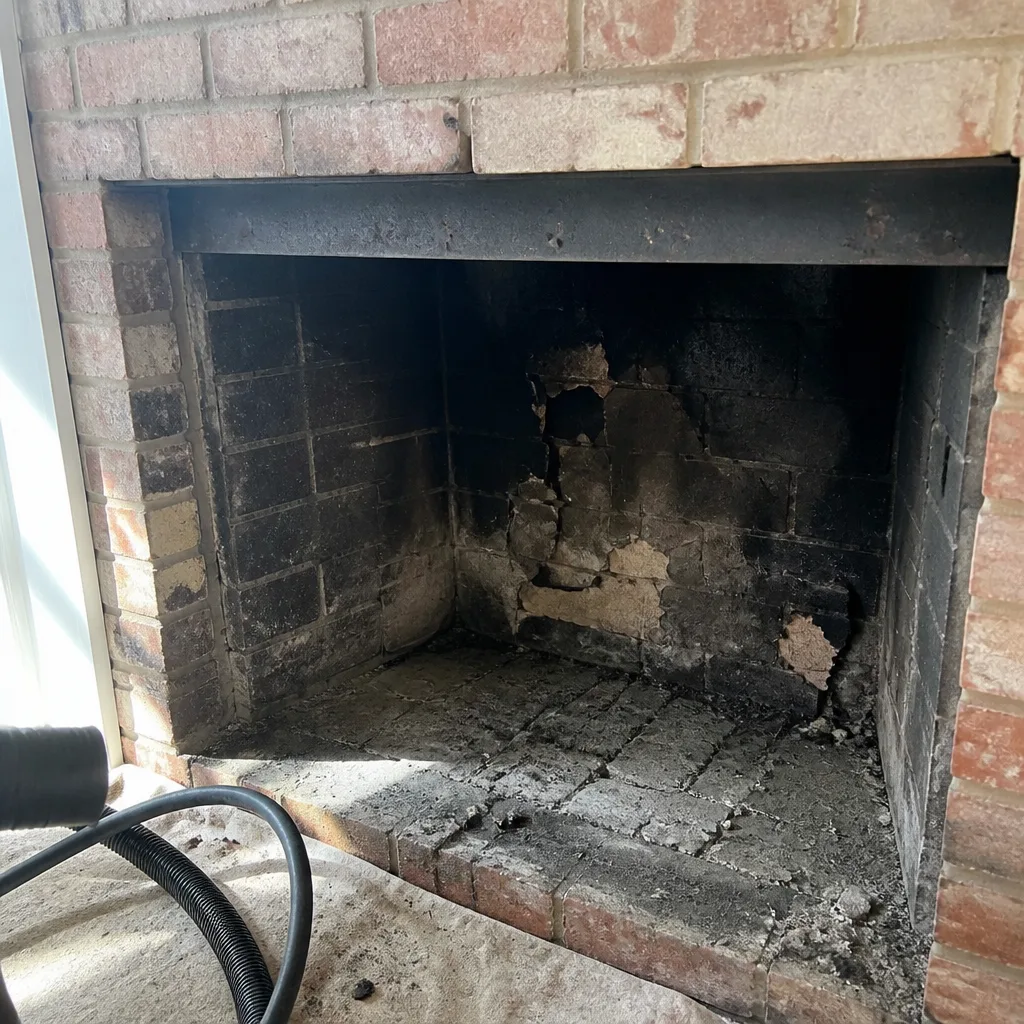 Before
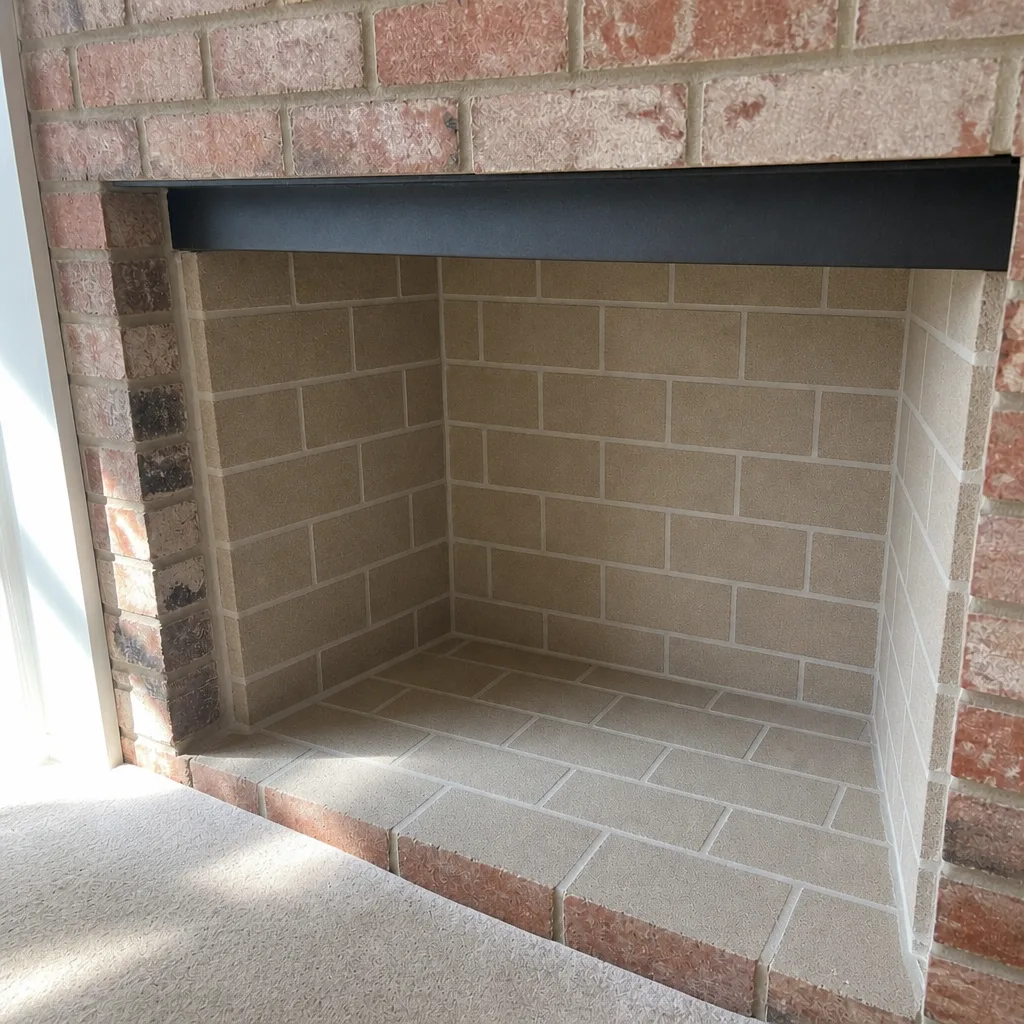 After
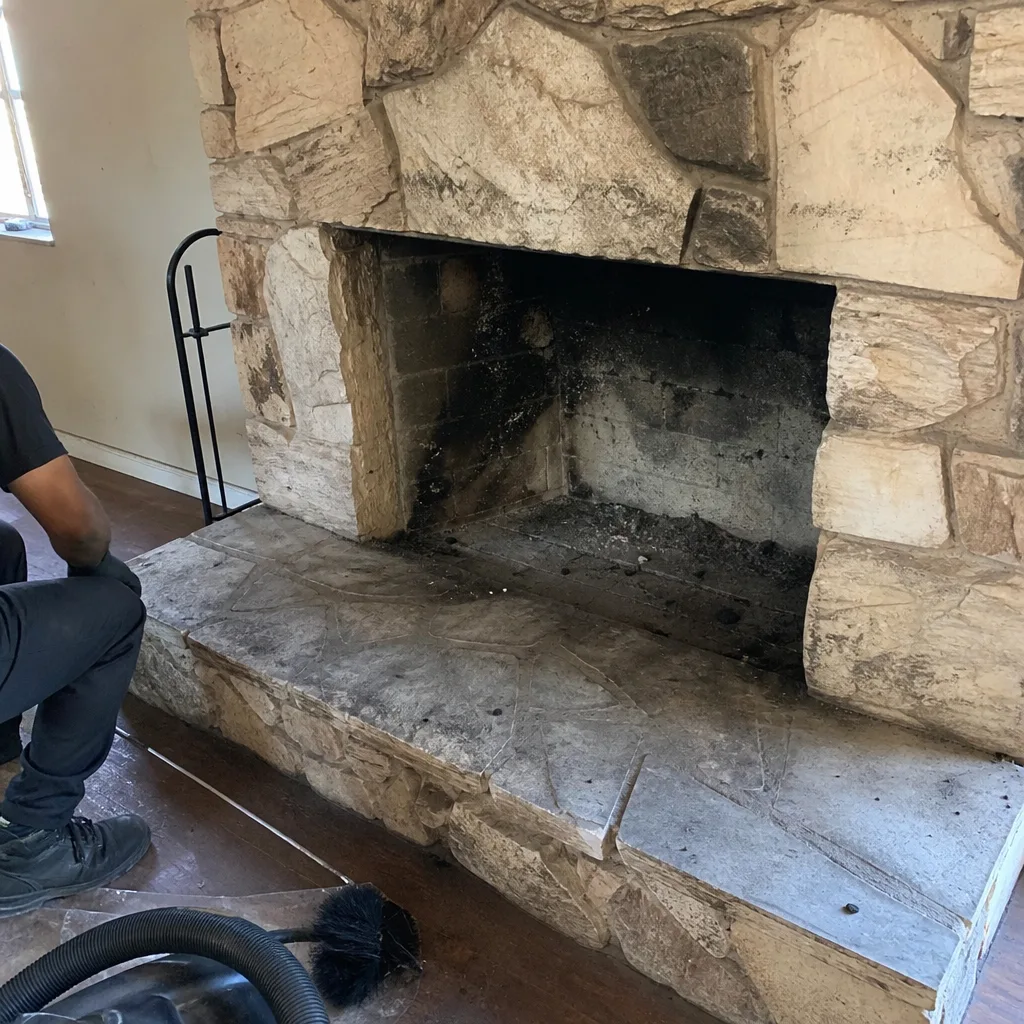 Before
 After
 Before
 After