
Last updated November 5, 2026
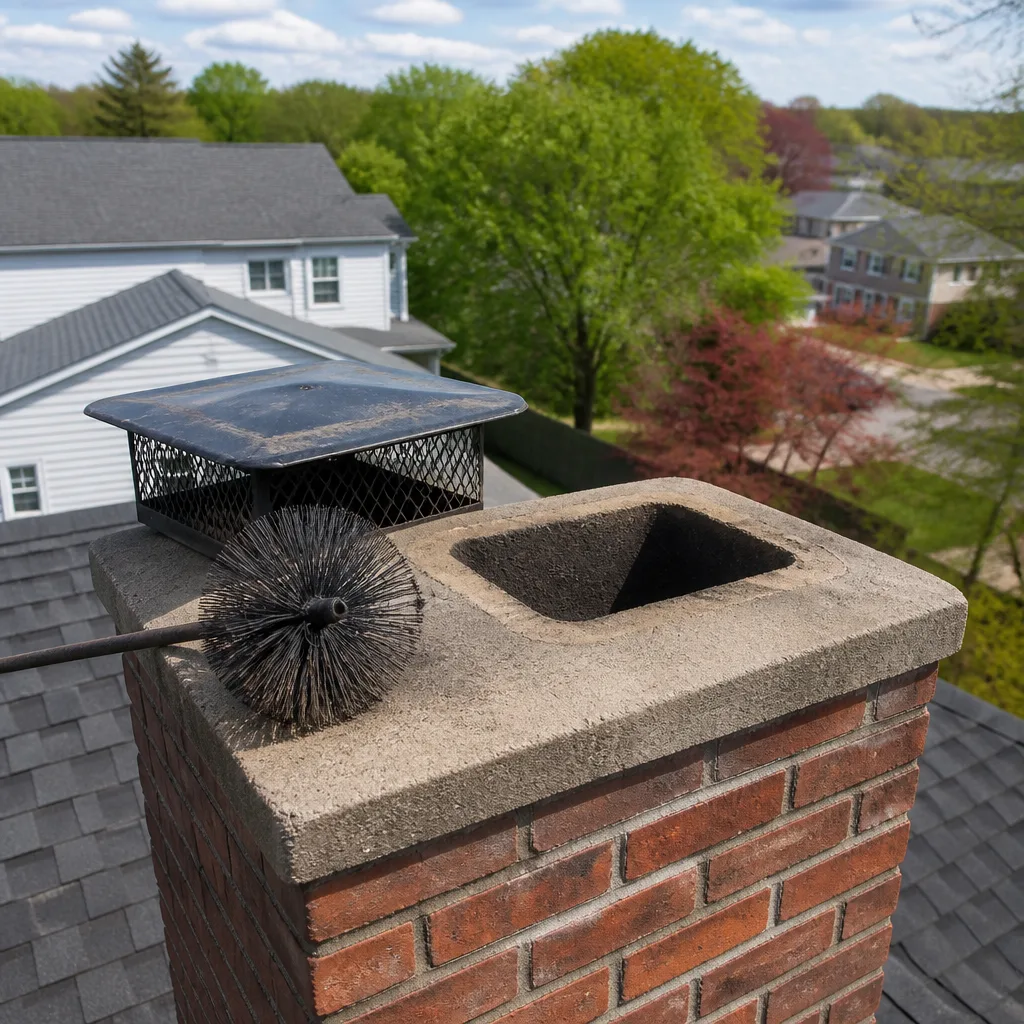 Sweep & inspection
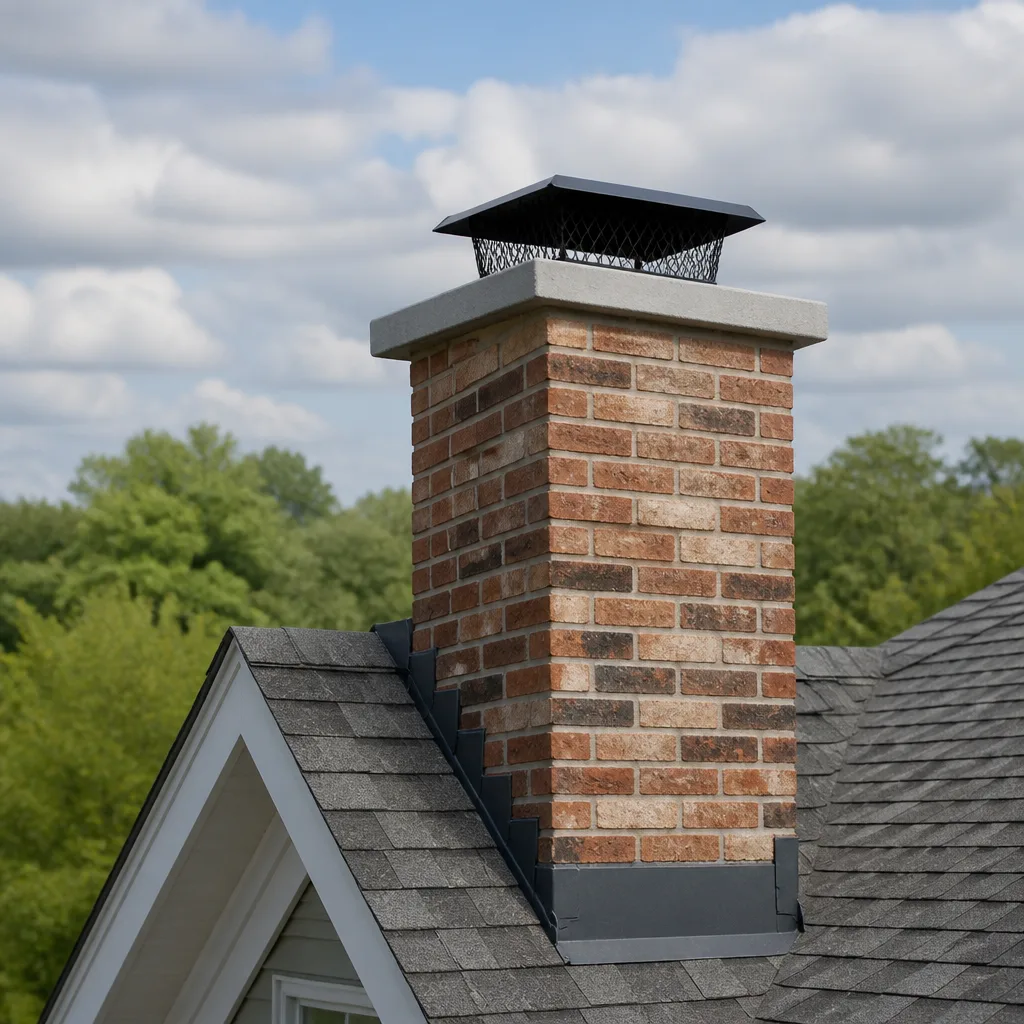 Caps & crowns
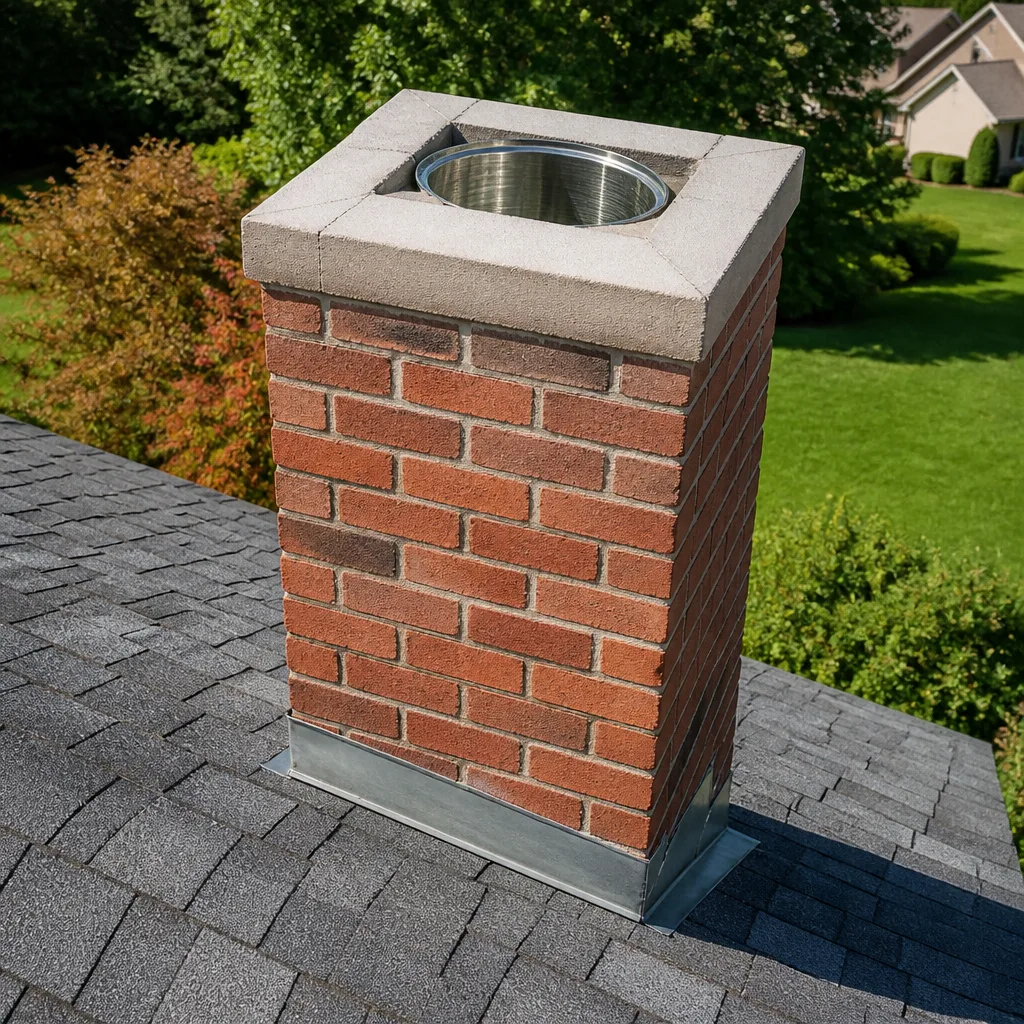 Flue relining
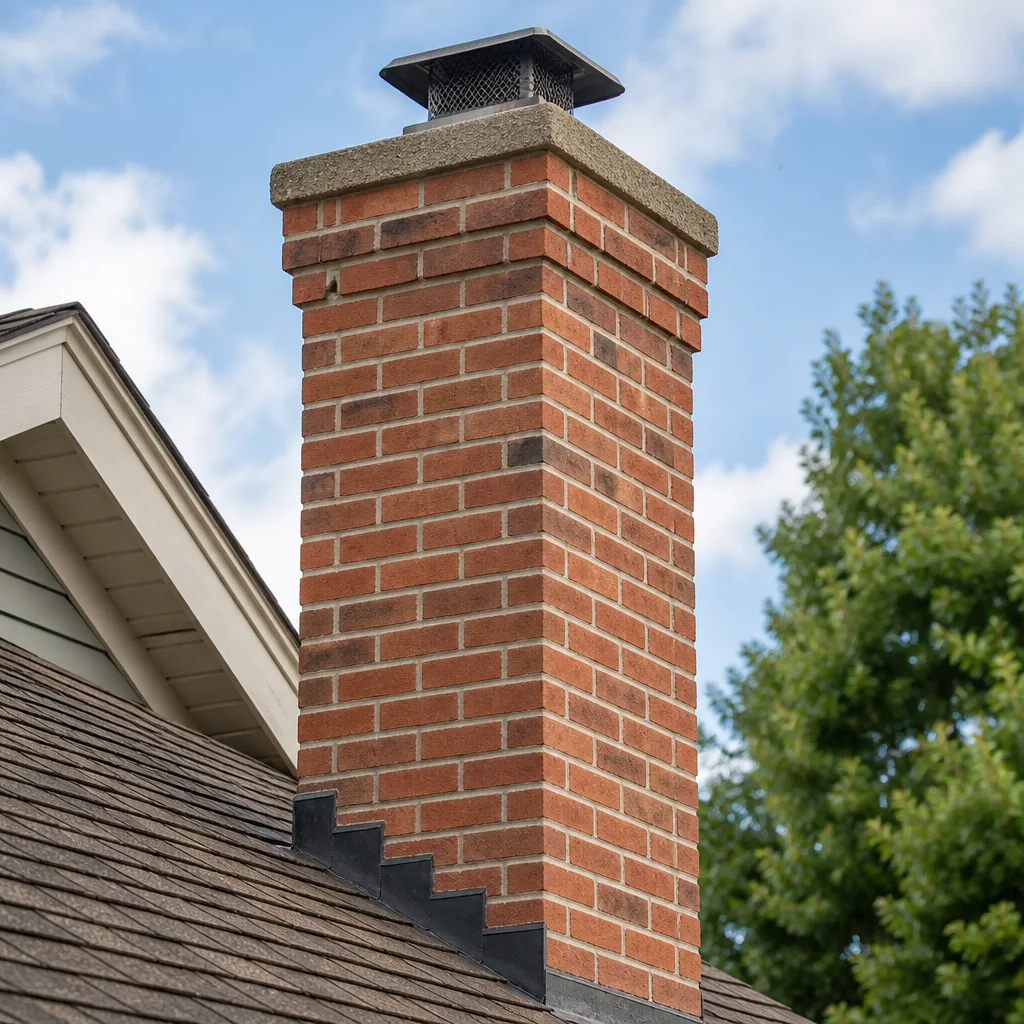 Masonry repair
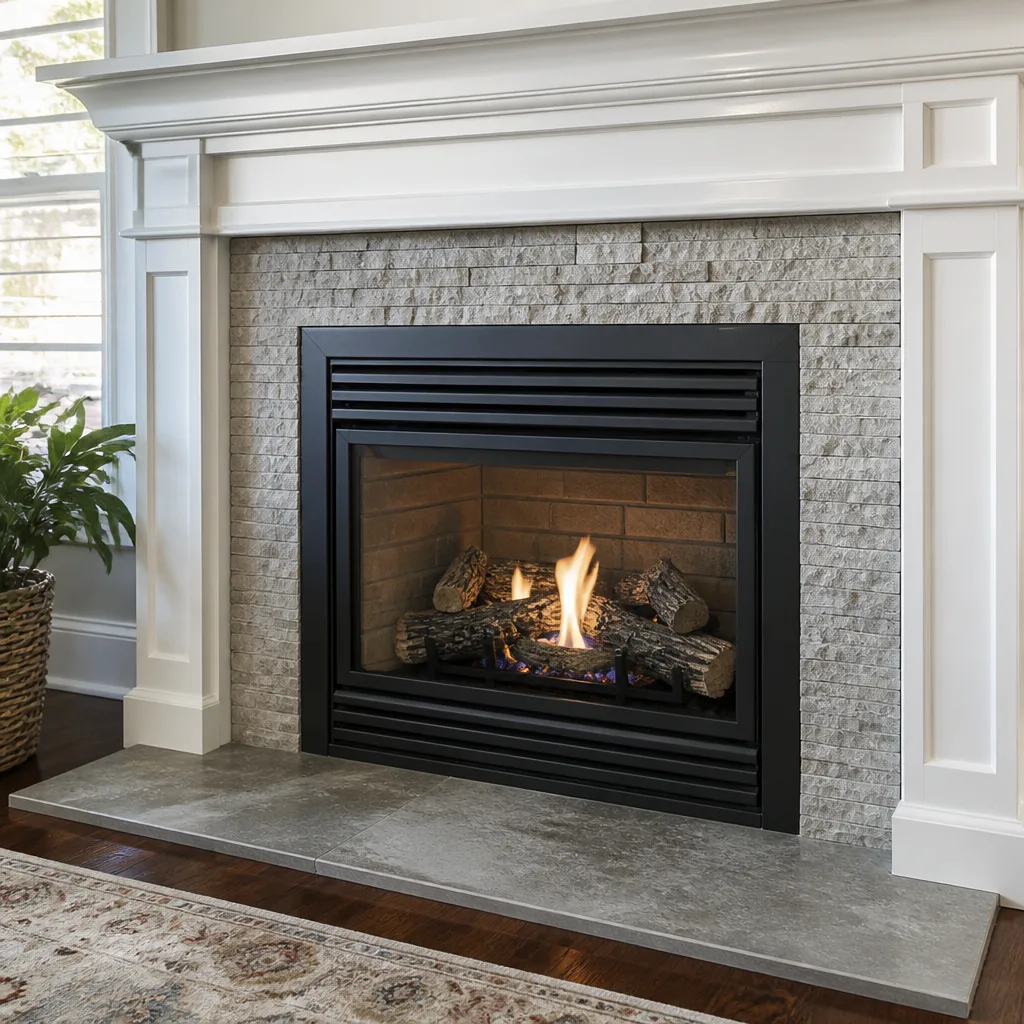 Gas fireplace service
Level 1 sweep and inspection to the NFPA 211 annual standard - flue, crown, cap, and flashing checked and photographed
Chimney sweep logs do not sweep chimneys. They loosen some creosote - which then falls where a brush and vacuum still have to collect it.
Choosing the Right Chimney Cleaning Brand: A Buyer’s Guide for Fashion District
Walk into any hardware store in Fashion District and you’ll find shelves lined with products that promise to clean your chimney. Creosote logs, spray sealers, retail brush kits. They all have one thing in common: they’re designed for a homeowner who wants to feel like they’ve done something. The products that actually protect a chimney – industrial rotary compounds, HeatShield liner resurfacer, stainless 316L flex liner systems – are sold trade-only for a reason. This guide explains the material and product decisions that happen at the professional level, so you can ask your contractor the right questions before any work begins. What you’ll learn here is the same criteria we apply on every chimney sweep in Fashion District.
Quick Answer
The right chimney cleaning brand isn’t a consumer product you buy off a shelf – it’s the professional-grade material system your contractor specifies and installs. For Fashion District homes, that means a 316L stainless steel flex liner for relining, HeatShield or similar ceramic resurfacer for cracked flue tiles, and stainless steel caps and crowns over galvanized or copper. If your contractor can’t name the material grade and brand they’re installing, that’s a red flag worth investigating.
Styles & brands we work with
- Sweep & inspection
- Caps & crowns
- Flue relining
- Masonry repair
- Gas fireplace service
Table of Contents
- Consumer Products vs. Professional-Grade Materials
- Liner Materials Compared: 316L vs. 304 vs. Aluminum
- HeatShield and Ceramic Resurfacing Systems
- Chimney Caps and Spark Arrestors: Material Lifespans
- Crown Sealers and Waterproofing Products
- Questions to Ask Any Chimney Contractor
- Common Mistakes to Avoid
- When to Call a Professional
Consumer Products vs. Professional-Grade Materials
Let’s talk about what those retail products actually do. Creosote cleaning logs burn in your fireplace and release a chemical that conditions the creosote – they don’t remove it. The log dries out the top layer of creosote so it flakes slightly, which can make a subsequent brushing marginally easier. That’s it. They are not a cleaning method. If your chimney has a quarter-inch of baked-on stage two creosote, a cleaning log will do effectively nothing.
Professional-grade chemical treatments used before rotary cleaning work differently. These are industrial compounds – the kind that come in labeled five-gallon buckets, not cellophane-wrapped logs – and they’re applied to break down creosote at the molecular level. The chemicals penetrate the creosote layer, weakening its bond with the flue wall so that rotary brushes can actually remove it. In Fashion District’s mild climate, where fireplaces often see intermittent use rather than daily burn cycles, creosote tends to build in uneven layers. A professional treatment before rotary cleaning gets the flue genuinely clean rather than just knocked back.
The distinction matters because it determines whether your cleaning actually accomplished anything. A sweep-and-go that doesn’t use chemical treatments or rotary tools on a heavily used flue is leaving material behind. That’s not a shortcut you want taken on a fire-safety system.
Liner Materials Compared: 316L vs. 304 vs. Aluminum
When a chimney needs relining – because the original clay tiles are cracked, or the flue is undersized for a new appliance – the material spec of the new liner matters more than any brand name. Here’s the breakdown we walk Fashion District homeowners through.
- 316L stainless steel flex liner. This is the alloy we specify for wood-burning applications. The “L” means low carbon, which improves weld integrity. It resists the acids created when flue gases condense on the liner wall. If you burn wood, this is the standard. It’s what we install at Fireside Chimney Sweep.
- 304 stainless steel. Similar to 316L but with less molybdenum. Suitable for gas appliances primarily. Less resistant to the corrosive condensate that wood burning produces. If a contractor quotes 304 for a wood-burning fireplace, ask why.
- Aluminum liners. Cheapest option. Thin. Only appropriate for low-temperature gas appliances. Not suitable for wood burning at all. If someone offers an aluminum liner for a wood fireplace, walk away.
What questions should you ask when a contractor says “we’ll reline your chimney”? Ask what alloy they’re installing. Ask the gauge – typical is .005″ to .006″ for a flex liner. Ask whether it’s pre-insulated or whether they’ll wrap it. The answers tell you whether you’re dealing with someone who installs chimney systems or someone who’s just filling a hole. Fashion District homes range from older masonry construction to newer builds, and the flue condition varies accordingly. A relining recommendation should be based on what’s actually in your chimney, not a generic upsell.
HeatShield and Ceramic Resurfacing Systems
HeatShield is a ceramic resurfacing product designed to repair cracked or deteriorated flue tiles without tearing out the entire chimney. It’s applied by pumping a ceramic compound up the flue and letting it cure over the existing tiles. We’re manufacturer-trained in the system, and it’s one of the more reliable resurfacing products available.
What HeatShield is designed to fix: hairline cracks in otherwise sound flue tiles, minor spalling on the tile surface, and small gaps. When it works, it restores a continuous flue surface without a full rebuild.
What HeatShield cannot fix: structural chimney movement, severely damaged tiles that have collapsed, missing sections of flue, or a flue that needs to be resized for a new appliance. If a contractor recommends HeatShield for those conditions, they’re either misdiagnosing or avoiding work they aren’t equipped to do. A full liner or rebuild may be required instead.
How to tell if the recommendation is appropriate: ask for the camera inspection footage. A professional chimney contractor in Fashion District should be able to show you the actual condition of your flue before recommending any resurfacing product. If they can’t or won’t show you the footage, don’t approve the work. The camera doesn’t lie; a verbal description can.
Chimney Caps and Spark Arrestors: Material Lifespans
The cap on top of your chimney does two jobs: keeps rain and animals out, and prevents sparks from landing on your roof or your neighbor’s. In Fashion District, where the air is warm and dry most of the year, the material choice is less about weather extremes and more about longevity.
- Stainless steel. The most common professional choice. A well-made stainless cap can last 15-20 years in this climate. It won’t rust, doesn’t need repainting, and handles heat cycles fine. Most of the caps we specify are stainless.
- Galvanized steel. Cheaper up front. Rusts. In the dry Fashion District air, galvanized caps will still eventually fail, usually at the seams where the coating got scratched during fabrication. Expect maybe 5-8 years.
- Copper. Aesthetic choice, long lasting, but expensive. A copper cap can run two to three times the cost of stainless. Some homeowners like the look; from a purely functional standpoint, stainless does the same job for less.
Replacement cost is usually a few hundred dollars for a standard cap, installed. The specific number depends on the flue size and roof access. If you’re replacing a cap, this is the time to add a spark arrestor if your current cap doesn’t have one – the screen mesh is rated to block embers and it’s cheap insurance.
Crown Sealers and Waterproofing Products
Two different products, two different jobs. The chimney crown is the concrete slab at the top of the chimney, and the brick or masonry below it needs a different treatment entirely.
Brush-applied elastomeric crown coatings are thick products designed to seal small cracks in the crown itself. They flex with minor thermal movement. Applied correctly, they seal hairline cracks and waterproof the crown for years. This is a maintenance product, not a structural repair – if the crown is badly cracked or crumbling, it needs to be rebuilt, not coated.
Spray-on water repellents for masonry are thin penetrants that soak into brick and mortar, allowing the chimney to still breathe while shedding water. They’re appropriate for preventing moisture absorption in brick. They do not fix a cracked crown, and they do not stop active leaks.
The mistake we see in Fashion District homes is using one product to do the other’s job. A homeowner sprays masonry sealer on a cracked crown and wonders why water still gets in. For proper application, oil-based masonry waterproofers are applied by sprayer, while the crown coating is brushed on thicker. The right application depends on which part of the chimney you’re treating.
Questions to Ask Any Chimney Contractor
If you’re hiring someone to work on your chimney in Fashion District, these questions will separate the specialists from the sweep-and-go crews.
- What alloy are you relining my chimney with? If they can’t answer “316L stainless” for wood burning, keep looking.
- Can I see the camera footage? Any legitimate recommendation comes with visual evidence. You should be able to see the cracks or creosote buildup with your own eyes.
- What brands are you installing? Contractors who specify professional-grade brands – HeatShield for resurfacing, Gelco or Olympia Chimney caps and components – are working with materials the industry respects. Generic answers mean generic materials.
- Do you resurface or just sweep? A company that can resurface a flue with HeatShield and install DuraFlex liners has the full skillset. A sweep-only crew has an incentive to tell you everything looks fine.
- Do you also clean dryer vents? This might seem unrelated, but a full-service chimney company addresses the whole ventilation system. Dryer vent buildup is the leading cause of household appliance fires, and a technician who inspects both fireplaces and dryers is seeing the full picture.
Common Mistakes to Avoid
- Buying a creosote cleaning log and calling it done. These logs condition creosote marginally. They don’t remove it. If you’ve burned wood all season, the flue still needs mechanical cleaning.
- Accepting a relining recommendation without seeing camera footage. If the contractor can’t show you the damaged tiles, the recommendation is unverified. Never approve liner work on verbal assurance alone.
- Letting someone install a galvanized cap on a chimney you’ll own for years. The upfront savings is small and the replacement cycle is short. Stainless is the standard for a reason.
- Approving HeatShield resurfacing for structural problems. It’s a surface repair product. If the chimney has structural movement or collapsed tiles, resurfacing won’t fix it and may buy false security.
- Assuming a masonry sealer will fix a leaking crown. Leaks typically come from the crown, not the brick. Properly sealing a crown takes an elastomeric coating, not a spray-on repellent.
- Comparing bids without comparing material specs. A low bid that uses a 304 liner for wood burning or a thin aluminum liner is not actually a better price. You’re just buying a less durable installation.
When to Call a Professional
Call a chimney professional if you see smoke rolling back into the room, notice cracked tiles in the flue, smell a campfire odor when the fireplace isn’t in use, or haven’t had the flue inspected in the past year. These are signs that a cleaning or repair is due, not something to put off. Dryer vent cleaning follows the same logic – if your dryer takes longer than a single cycle to dry a load, the vent needs attention. Both systems are fire-safety components in your home, and both benefit from the same trained eye. Fireside Chimney Sweep offers free estimates in Fashion District. Call (844) 963-3205. We answer 24/7. Fast dispatch from 7am to 7pm, Sunday through Friday.
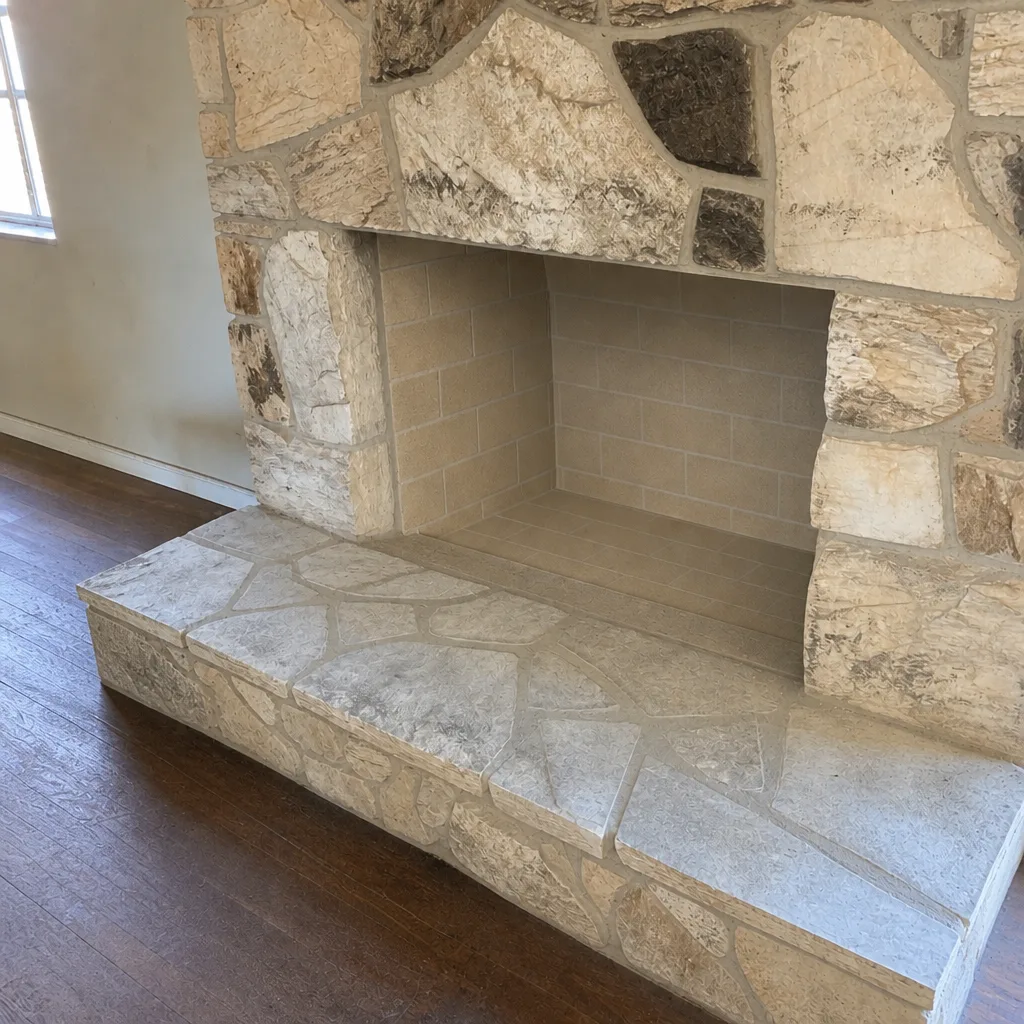
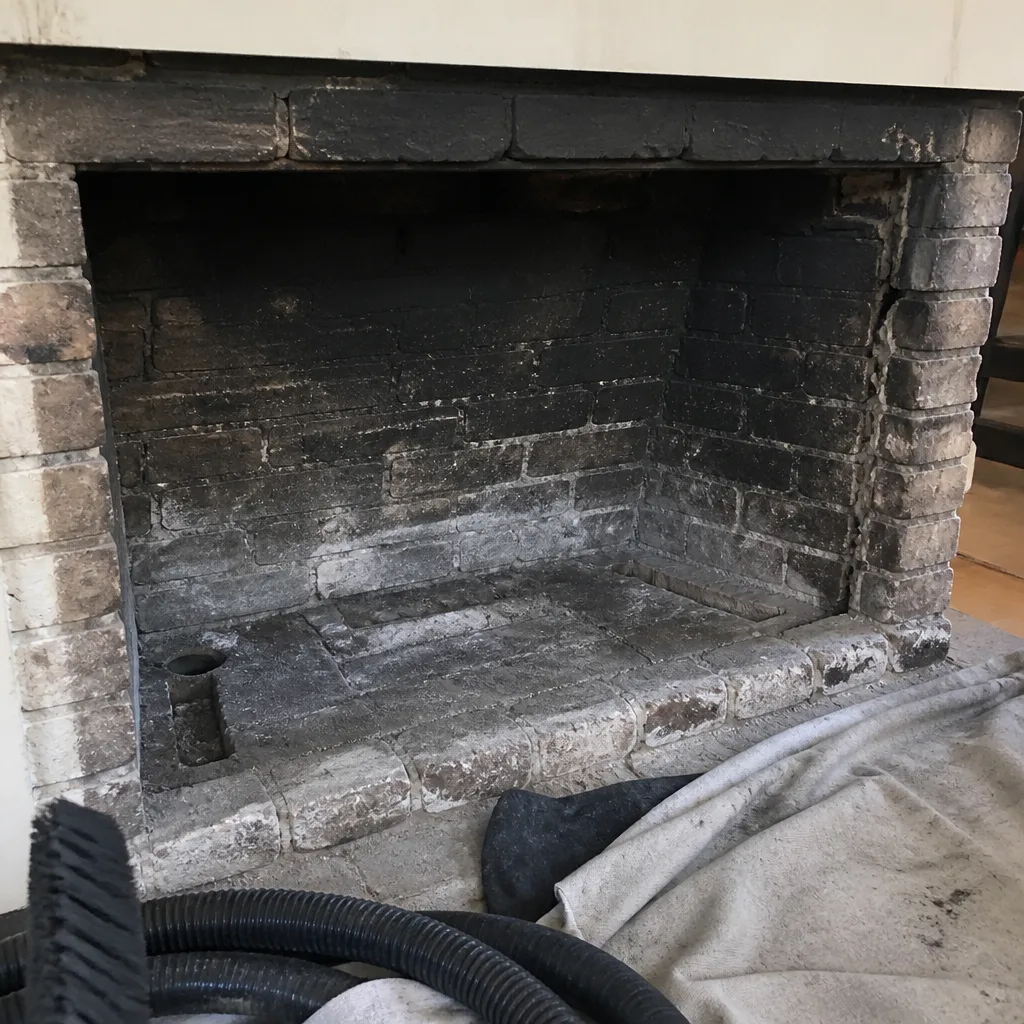
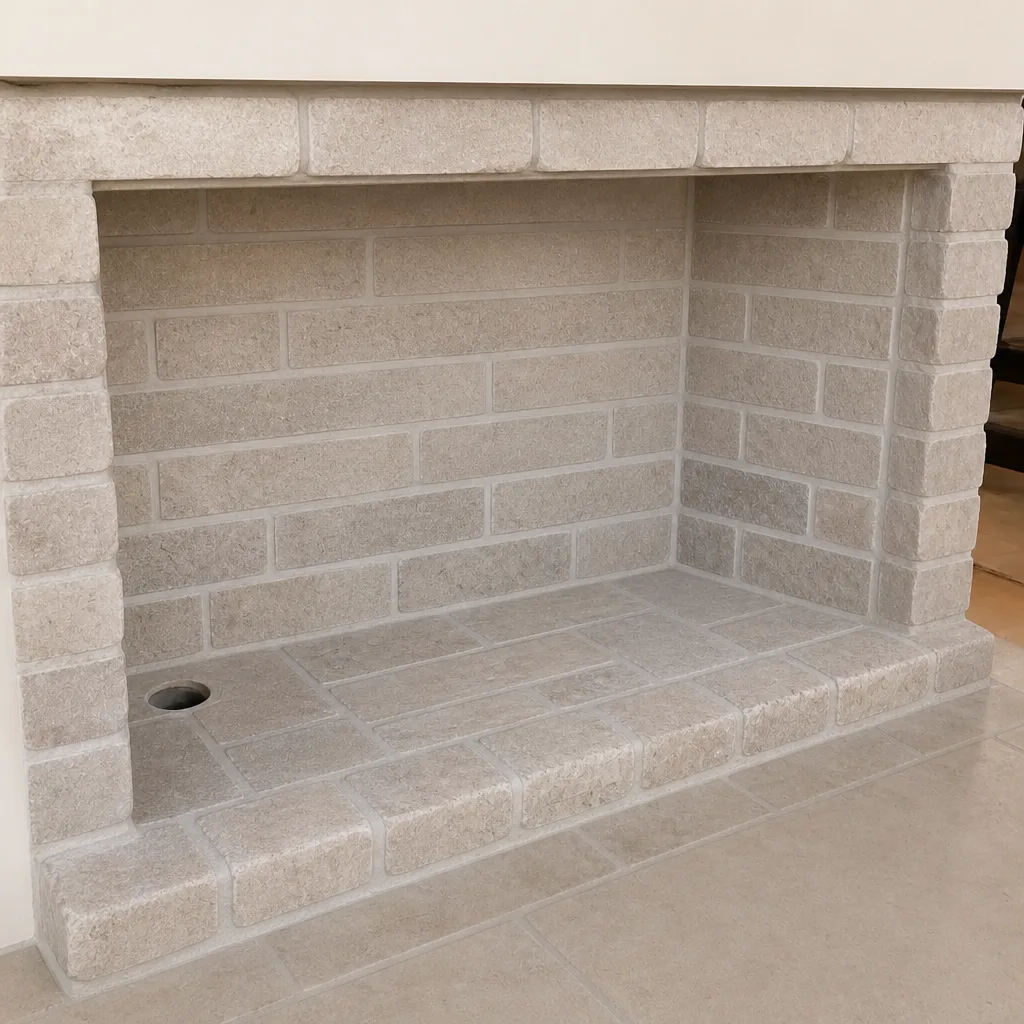
See the difference
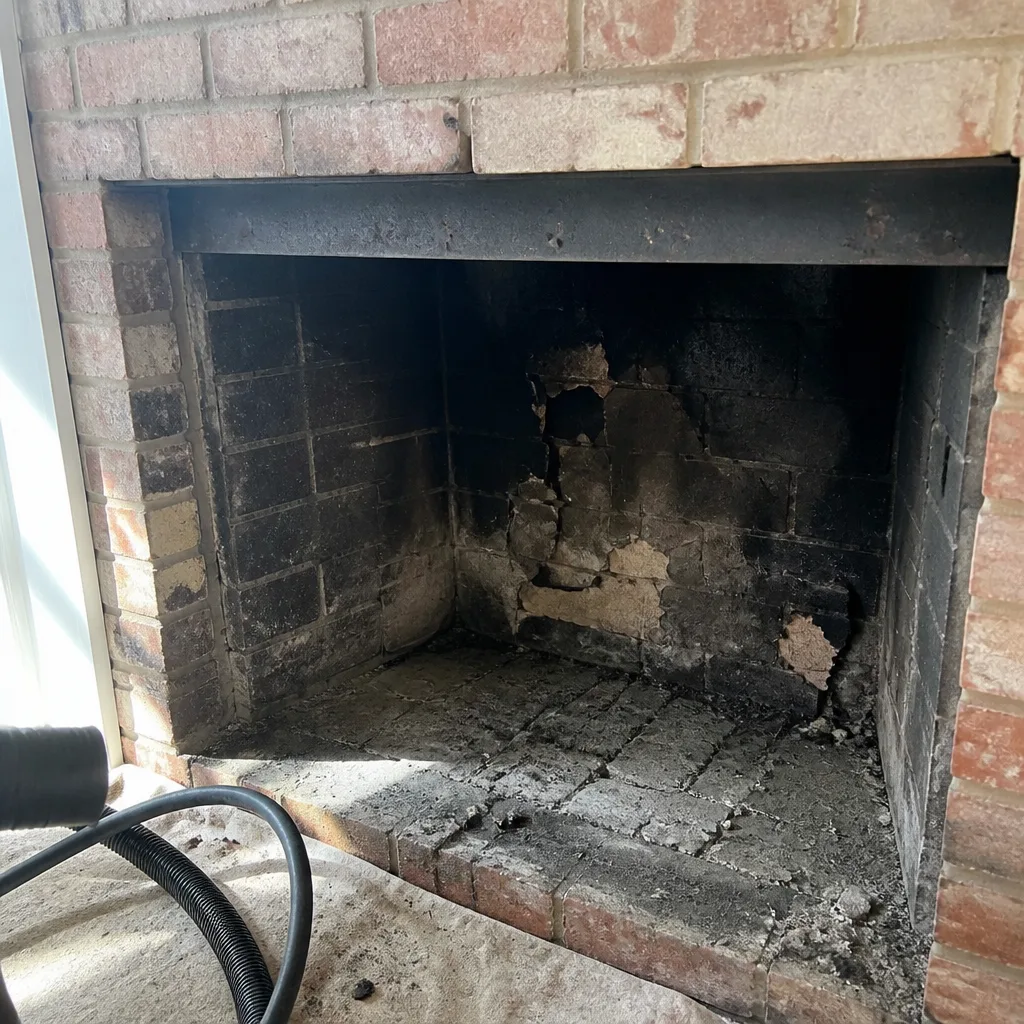 Before
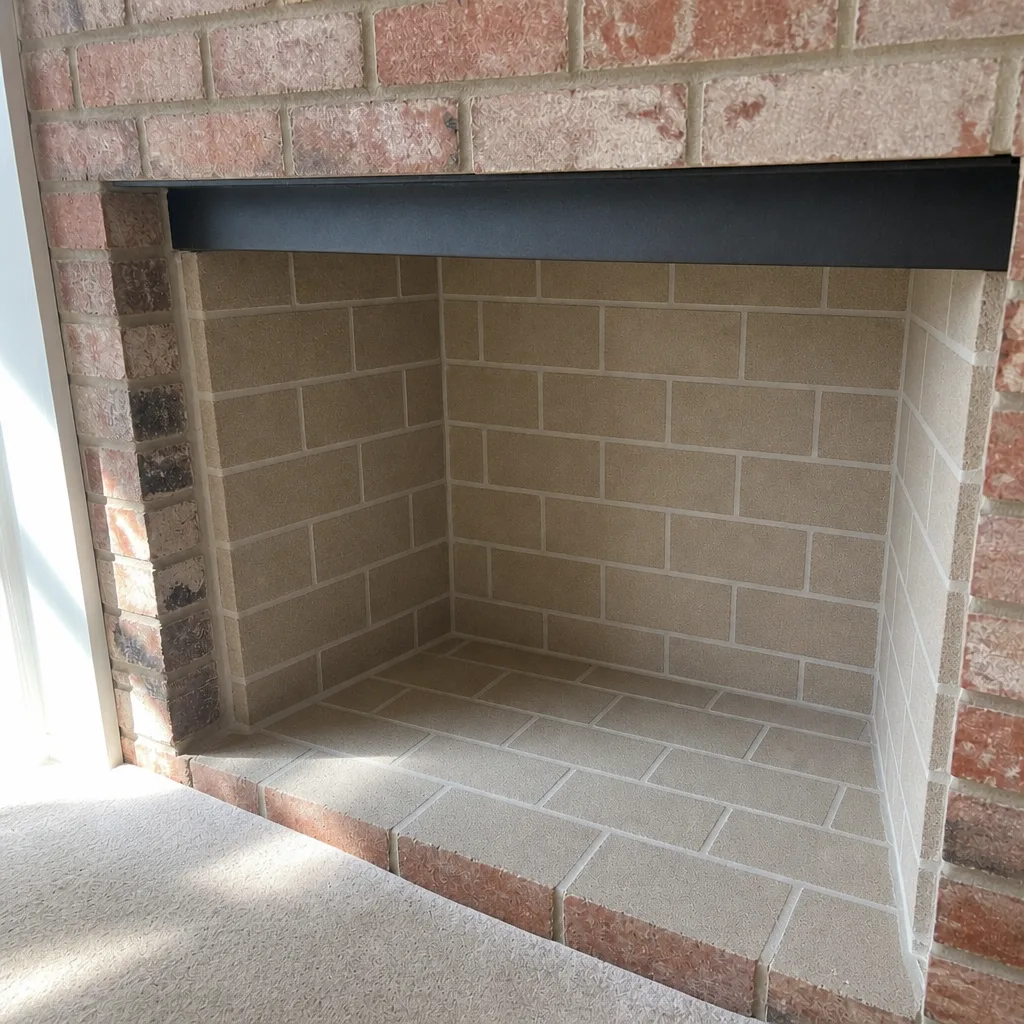 After
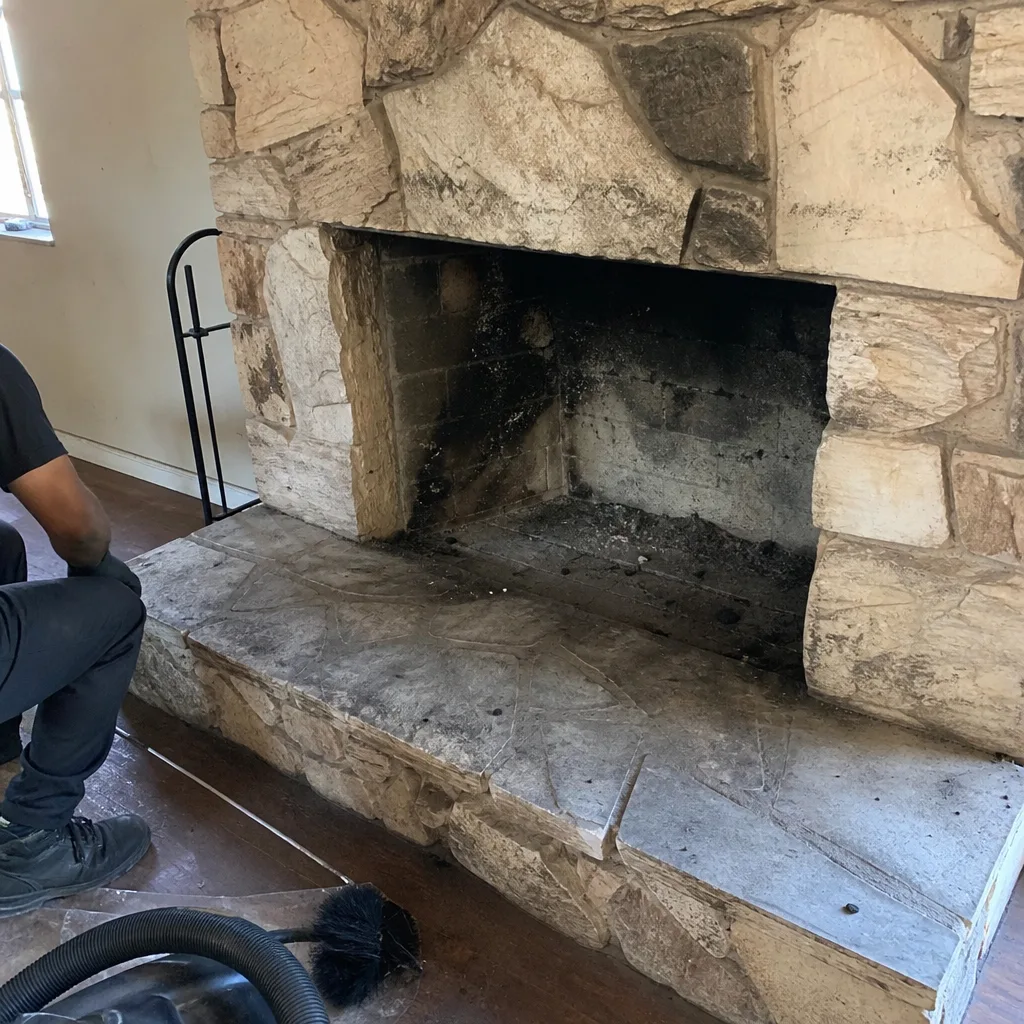 Before
 After
 Before
 After
Frequently Asked Questions
A standard chimney sweep in Fashion District typically costs between $150 and $400 depending on the flue condition, roof access, and whether chemical treatments or rotary tools are required. The written estimate should set the final price before any work begins. Call (844) 963-3205 for a free estimate on your specific fireplace.
You need a new liner if the camera inspection shows cracked, spalled, or missing flue tiles, or if the existing liner is the wrong size for the appliance. If the contractor can’t show you the damage on camera, don’t approve the work. A liner is a major safety component – it contains combustion gases and protects the surrounding masonry from heat and acidic condensate.
The National Fire Protection Association recommends an annual inspection, and cleaning frequency depends on use. A wood-burning fireplace used regularly through the season typically needs a sweep every year. In Fashion District’s mild winters, some homeowners burn less and can go two years between cleanings, but the annual inspection remains the baseline for safety.
Creosote accumulates in the flue. It is flammable, and when it ignites, it burns at extremely high temperatures that can crack flue tiles, warp the liner, and spread to surrounding framing. A blocked flue also forces carbon monoxide back into the house. These are not theoretical risks – they are well-documented fire and health hazards.
Chimney cleaning logs condition creosote slightly, but they are not a substitute for mechanical cleaning. At most, they make a professional sweep marginally easier. If you’ve burned consistently, don’t count on a retail log to clean your flue. A professional sweep with rotary tools and chemical treatments removes the creosote rather than just loosening its surface.
We work exclusively with professional-grade chimney brands – DuraFlex for flex liner systems, HeatShield for ceramic resurfacing, and components from Olympia Chimney, Gelco, and Famco. These are trade-spec products not sold at hardware stores, which means they’re specified for performance, not retail convenience. The brands a contractor carries tell you whether they’re a specialist or a generalist.
The Bottom Line
The right chimney cleaning brand in Fashion District is a professional material system, not a consumer product. A 316L stainless liner for wood burning, an appropriate ceramic resurfacer like HeatShield for surface cracks, and stainless caps and crowns for longevity. The contractor you hire should be able to name what they’re installing and show you photographic proof of why. If they can’t, get another bid. Your chimney is a combustion containment system – the materials matter, and so does the person installing them. One call covers cleaning, repair, and dryer vent safety. Call (844) 963-3205.
Written by the team at Fireside Chimney Sweep, serving Fashion District since 2012.