
Last updated November 5, 2026
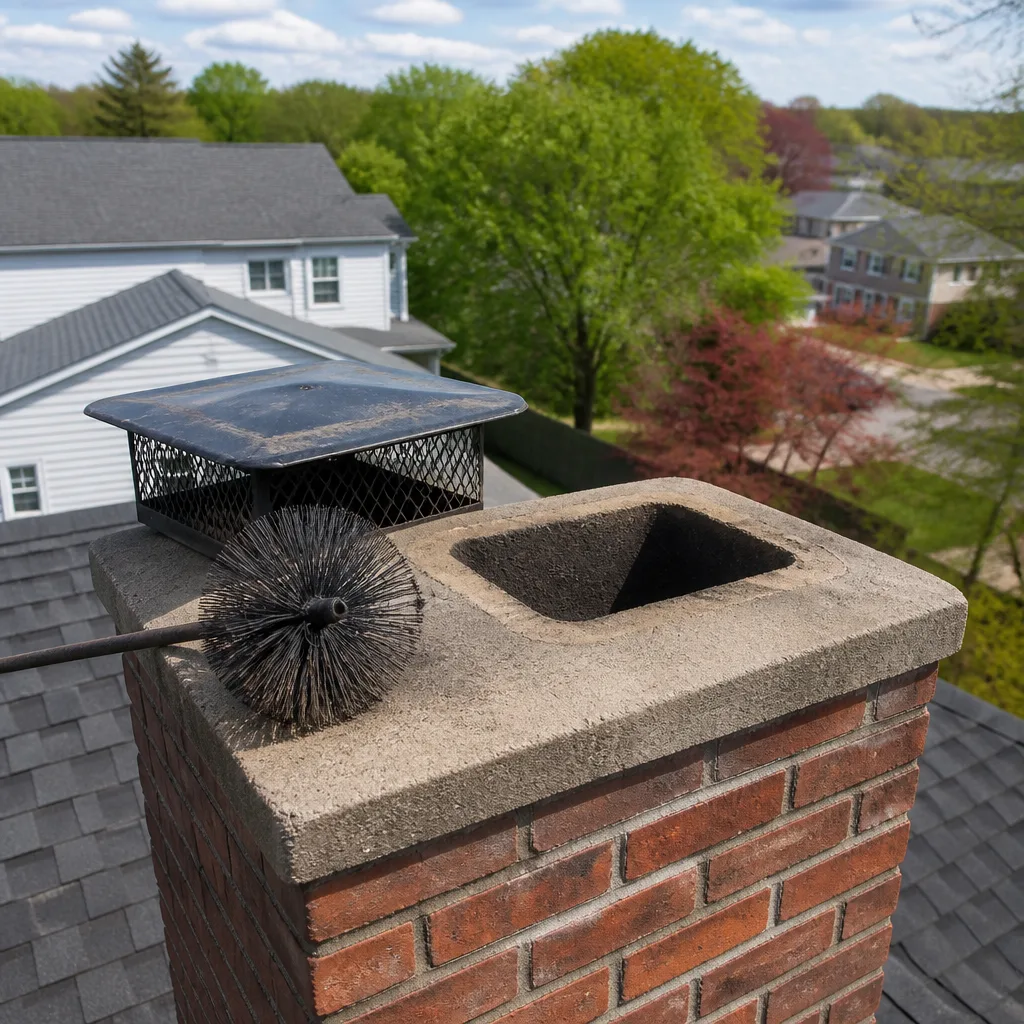 Sweep & inspection
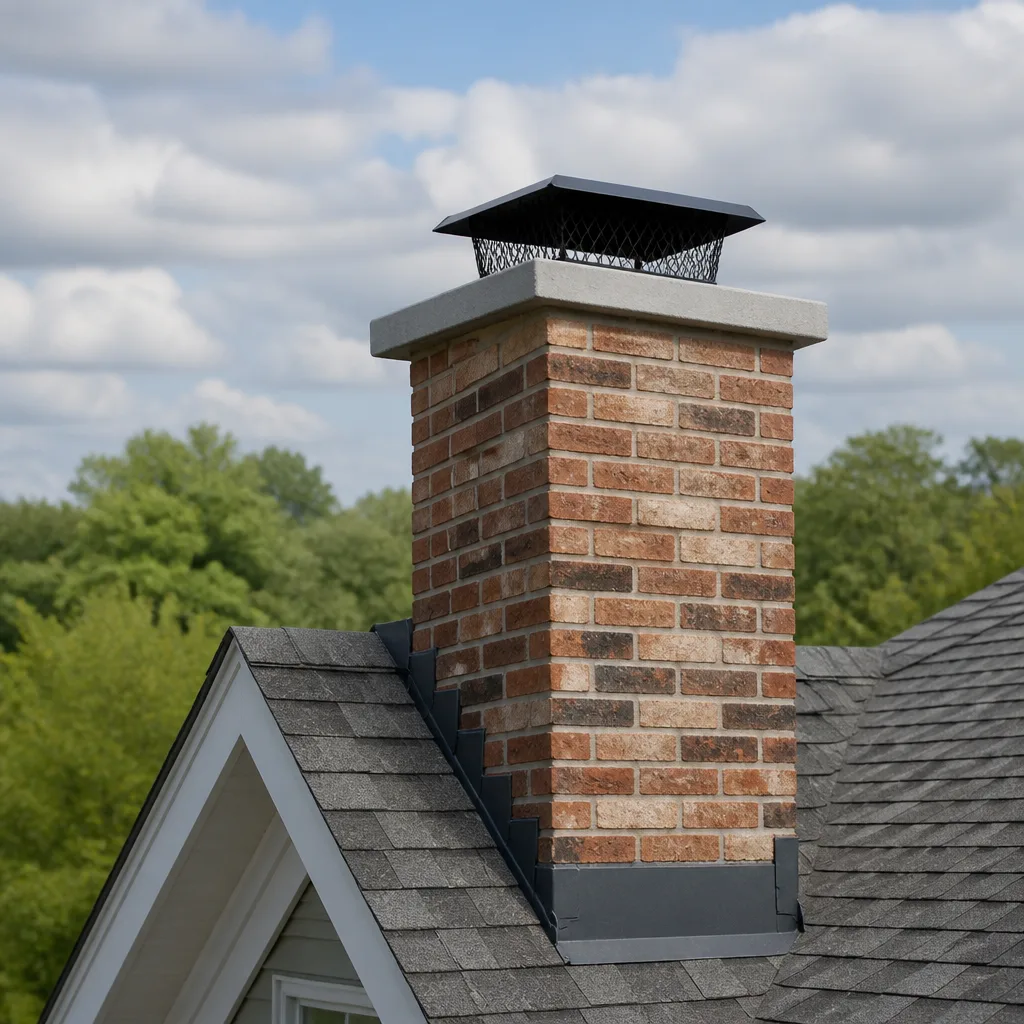 Caps & crowns
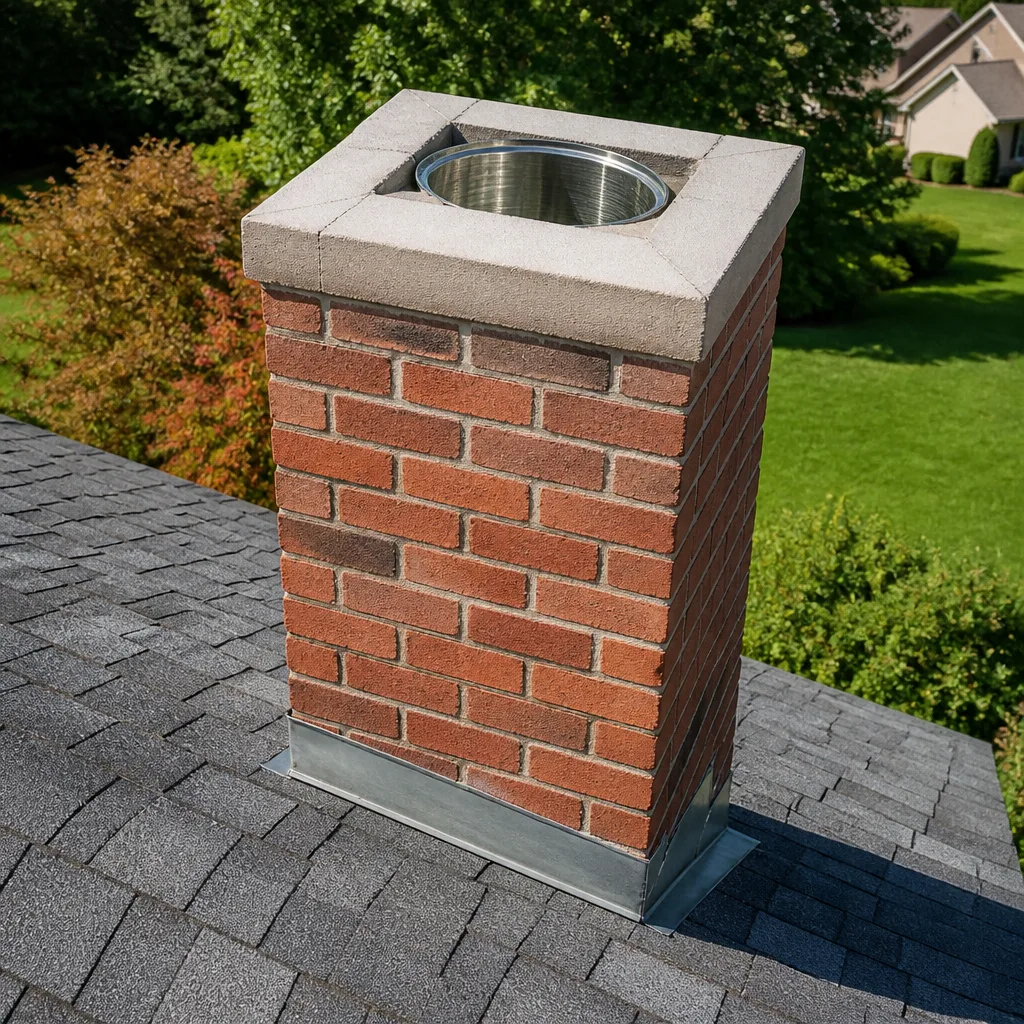 Flue relining
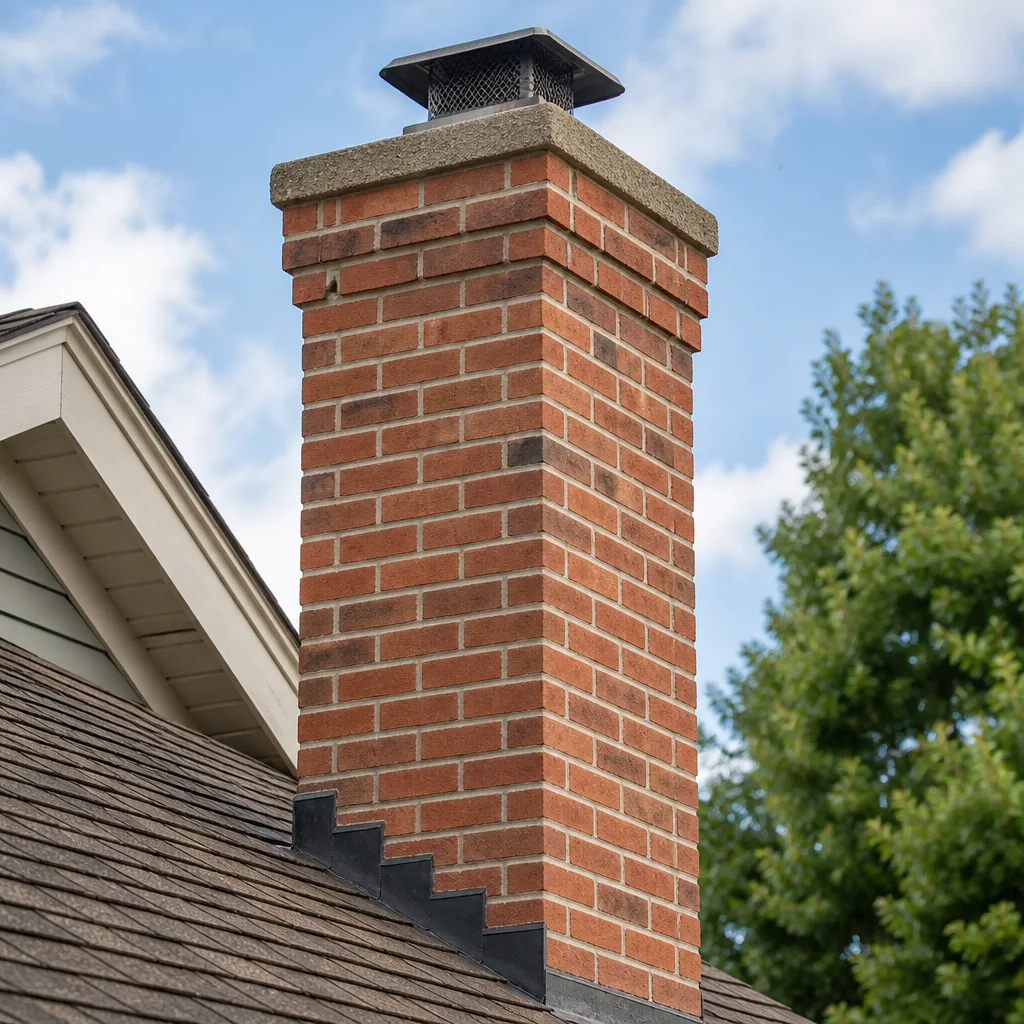 Masonry repair
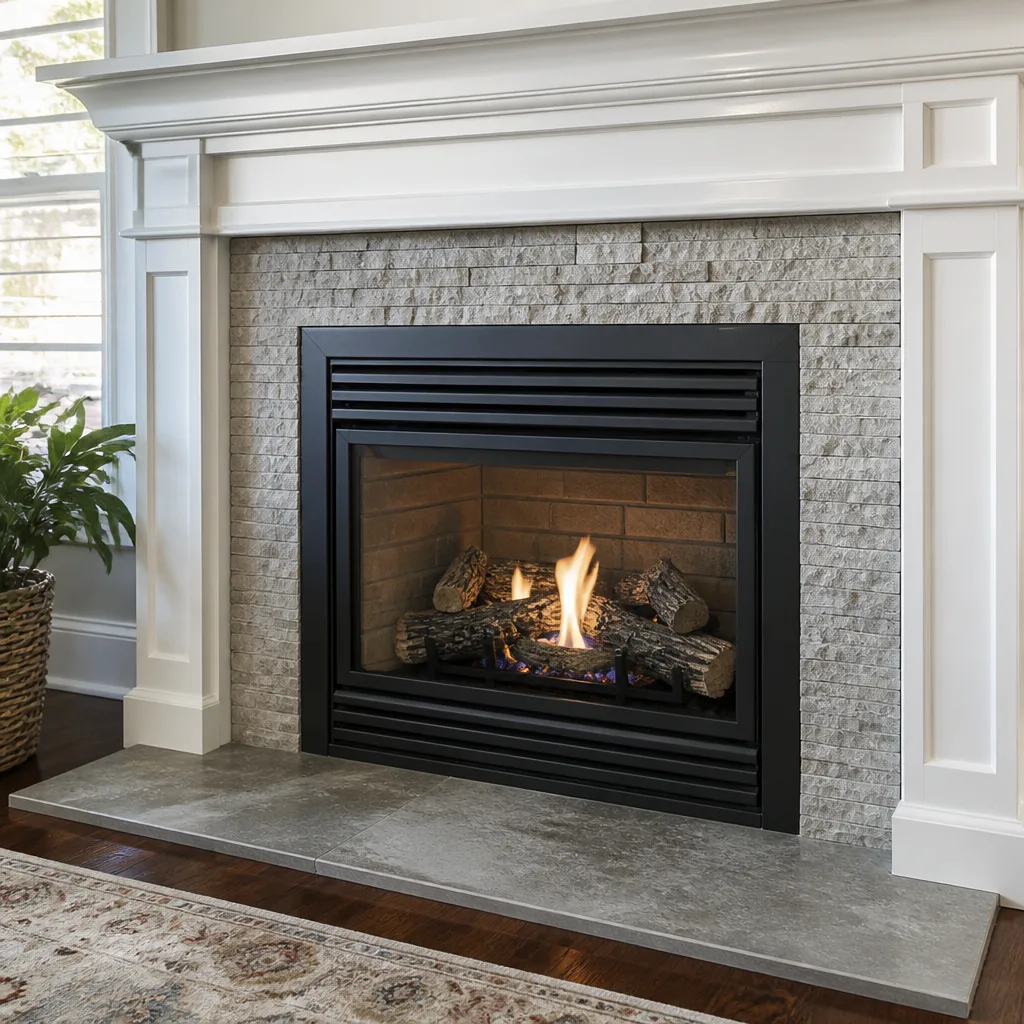 Gas fireplace service
Level 1 sweep and inspection to the NFPA 211 annual standard - flue, crown, cap, and flashing checked and photographed
Chimney sweep logs do not sweep chimneys. They loosen some creosote - which then falls where a brush and vacuum still have to collect it.
Chimney Sweep Troubleshooting in Fashion District: Common Problems and How to Fix Them
Here’s a pattern we see repeatedly in Fashion District homes: a fireplace that worked fine in December suddenly rolls smoke back into the living room in October after a dry Santa Ana wind event. Homeowners assume the flue is blocked or the damper rusted shut. Often, neither is true. The real culprit is a pressure differential created when gusting offshore winds interact with tightly-sealed windows and the stack effect inside older buildings. Most chimney sweeps in the area misdiagnose this on the first visit because they’re trained to look for blockages before airflow dynamics. This guide covers the actual problems we find in Fashion District chimneys, how to distinguish between them, and which fixes actually hold up in our climate. By the end, you’ll know whether you need a simple sweep, a component replacement, or structural repair.
Styles & brands we work with
- Sweep & inspection
- Caps & crowns
- Flue relining
- Masonry repair
- Gas fireplace service
Quick Answer
Chimney problems in Fashion District homes typically stem from one of five causes: accelerated mortar joint shrinkage from low humidity, Stage 2 creosote buildup from intermittent fireplace use, damper seal failure in older craftsman and Spanish Revival homes, animal intrusion through uncapped flues, or flue liner deterioration in structures built before modern code standards. Most issues can be diagnosed with a camera inspection and resolved the same day by a qualified Fireside Chimney Sweep technician. Persistent smoke rollback, visible cracks, or a strong acrid odor warrant professional assessment before the next burning season.
Table of Contents
- Why Smoke Rolls Back Into Your Fashion District Home
- Why Intermittent Fireplace Use Accelerates Creosote Buildup
- Identifying Chimney Odors: Combustion, Animal, or Moisture
- Horizontal Cracks vs. Stair-Step Cracks: What They Reveal
- Damper Seal Failure vs. Flue Sizing Mismatch: How to Tell
- Mortar Joint Shrinkage: LA’s Low-Humidity Problem
- Common Mistakes to Avoid
- When to Call a Professional
- Frequently Asked Questions
- The Bottom Line
Why Smoke Rolls Back Into Your Fashion District Home
Smoke rollback is the single most common complaint we hear from Fashion District homeowners, and it’s also the most frequently misdiagnosed. Before you assume the flue is blocked, understand the mechanics. A chimney works because warm combustion gases rise through a vertical passage, creating negative pressure that pulls fresh air into the firebox. Anything that disrupts this pressure relationship pushes smoke back into the room instead of up the flue.
In Fashion District, the primary disruptor is Santa Ana wind. When dry offshore gusts sweep through the basin, they create turbulence at the chimney cap and can momentarily reverse the draft. This gets worse when windows are closed tight, which is common after a heat wave. A house sealed against warm air turns into a low-pressure zone relative to the wind outside. The chimney becomes the path of least resistance, but in the wrong direction.
Here’s how to diagnose the cause methodically:
- Check for an obstruction first. Shine a flashlight up the flue from inside the firebox. Look for nesting material, accumulated soot, or a damper that won’t fully open. A blocked flue is straightforward and common in Fashion District buildings where chimneys lack caps.
- Test with a window cracked. If opening a nearby window by two inches eliminates the rollback, you’re dealing with negative house pressure, not a chimney defect. This is a quick diagnostic that costs nothing.
- Feel for cold air at the firebox. Before lighting, hold your hand inside the firebox. A downward draft of cold air means the flue has reversed and needs to be primed, either with rolled newspaper or by warming the flue with a hair dryer for a minute.
- Inspect the damper seat. A damper that closes tightly when shut but sits slightly askew when open can deflect smoke sideways. This is common in older Fashion District homes with original cast-iron dampers.
If the problem persists after these checks, the issue may be flue sizing. Many older homes in this part of Los Angeles were built with fireplaces sized for wood burning, then retrofitted with gas logs or inserts that change the draft dynamics. We’ll get into that distinction in a later section.
A note on safety: if smoke rollback is accompanied by visible soot streaks above the firebox opening or on the mantel, do not keep using the fireplace. Carbon monoxide can accumulate even from a wood fire, and a smoky burn is a warning sign that combustion gases aren’t venting correctly. Get a professional camera inspection before the next fire.
Why Intermittent Fireplace Use Accelerates Creosote Buildup
The conventional wisdom says frequent fires create more creosote, and that’s true for Stage 1 creosote: the flaky, sooty residue that brushes off easily. But Fashion District homeowners often use fireplaces only a handful of times per year, and this pattern creates a different kind of problem. Intermittent, intense burning produces Stage 2 creosote: the black, tar-like deposit that bonds to flue walls and resists standard brushing.
Here’s why. When a fire burns hot and fast, it produces a high volume of volatile organic compounds. If the flue is cold at startup, as it will be when the fireplace hasn’t been used in months, those compounds condense quickly on the flue walls. A chimney that sees one fire a month is almost always starting cold, which means the first 20 to 30 minutes of every burn deposits creosote before the flue reaches full draft temperature. In colder climates, where fires burn daily through winter, the flue stays warm and creosote doesn’t condense as readily.
We see this pattern constantly in Fashion District homes. A fireplace used three times between November and February can have more Stage 2 buildup than one used nightly in a cold-climate house. The fix is not more frequent fires. It’s professional chimney sweep service on a seasonal schedule, ideally before the first fire of the year.
Stage 2 creosote also interacts with another local factor: the low-humidity air that characterizes much of the year here. Dry creosote is brittle and brushes away. But when Santa Ana winds drop humidity into single digits, then a marine layer returns and adds moisture back, the creosote cycles between dry and slightly tacky. This thermal and moisture cycling causes it to form a hardened glaze that no brush will remove. Only mechanical cleaning with rotary tools or chemical treatment breaks down Stage 3 creosote.
What should you do? Have the flue inspected and swept at the start of the burning season, even if the fireplace saw no use over the summer. The sweep removes not just creosote but also the fine debris that accumulates through disuse: dust, spider webs, and the crumbled edges of aging flue tiles. A clean flue is the baseline for every other troubleshooting step in this guide.
Identifying Chimney Odors: Combustion, Animal, or Moisture
Chimney odors fall into three distinct categories, and each points to a different fix. Telling them apart is the difference between a simple sweep, a wildlife exclusion job, or a repair to the flue liner.
Combustion odor smells like an ashtray or a campfire, especially on humid days or when the house is sealed and the HVAC system cycles on. The cause is creosote residue inside the flue absorbing moisture from the air and releasing trapped smoke particles. It gets stronger in summer, which confuses homeowners who haven’t burned in months. The fix is a sweep, and ideally a chimney cap that limits humidity intrusion. If the odor returns within weeks of a sweep, the creosote has likely saturated the flue liner itself, and the liner may need resurfacing or replacement.
Animal odor has a barnyard, urine, or decayed quality. It’s unmistakable once you’ve smelled it. The cause is nesting material or a dead animal in the flue. In Fashion District, the primary culprits are pigeons and rats, both attracted to uncapped chimneys. An animal odor requires a different kind of response: removal of the obstruction, cleaning of the affected flue section, and installation of a proper chimney cap with a screened spark arrestor. Leaving a nest in place creates not just odor but a serious fire hazard when you eventually light a fire.
Moisture-activated odor is the most difficult to identify because it can mimic other smells. It presents as a musty, earthy scent that some people describe as “old building.” The cause is water intrusion through cracked crown mortar, failed flashing, or deteriorating flue tiles. Moisture combines with creosote and soot to create a sharp, acrid smell that’s worse on foggy mornings. The fix here is not a sweep alone. You’ll need to identify and repair the water entry point, then address whatever the moisture has damaged. HeatShield resurfacing can repair cracked flue tiles in many cases without a full rebuild, and we use it regularly in Fashion District homes where original terra cotta liners have begun to spall.
Here’s a structured way to think about odor diagnosis:
- Ashtray or campfire smell, worse in humidity: Creosote residue. Fix: sweep plus cap assessment.
- Barnyard or urine smell, worse in heat: Animal intrusion. Fix: removal, cleaning, capped flue.
- Musty or sharp acrid smell, worse with fog or rain: Moisture entry. Fix: identify water source, repair liner or crown.
- Smell only when HVAC runs or windows open: House pressure is pulling flue air inward. Fix: check damper seal and flue draft.
Horizontal Cracks vs. Stair-Step Cracks: What They Reveal
When you see cracking in a firebox or chimney face, the pattern matters more than the size. A hairline crack running horizontally along a mortar joint means something different from a diagonal stair-step pattern, and confusing the two leads to unnecessary repairs or missed structural problems.
Horizontal cracks in the firebox usually indicate thermal stress rather than settlement. Firebrick expands and contracts with each heating cycle, and the mortar joints absorb that movement. Over years, the mortar between bricks compresses and develops fine horizontal separation lines. This is common in older Fashion District homes where fireboxes were built with standard mortar rather than refractory cement. The fix is usually repointing, not rebuilding. The firebox remains structurally sound as long as the bricks themselves aren’t fractured.
However, a horizontal crack that runs through the brick itself, not just the mortar joint, is a different concern. That suggests the brick has been subjected to temperatures beyond its rating, often from an oversized fire or the use of manufactured logs that burn hotter than seasoned wood. Cracked firebrick should be replaced, and the surrounding joints inspected for hidden damage.
Stair-step cracks follow the mortar joints in a diagonal pattern, stepping up and down like stairs. This pattern points to differential settlement or lateral movement in the chimney structure. In Fashion District, this is most often seen in chimneys attached to older buildings where the foundation has shifted over decades. A stair-step crack needs professional structural assessment. It is not something to fill with caulk and ignore. The underlying movement may be dormant, in which case the crack can be ground out and repointed with appropriate mortar, or it may be active, in which case the fix is more involved.
Here’s the quick reference:
- Hairline horizontal crack in mortar: Thermal expansion. Repoint and monitor.
- Horizontal crack through firebrick: Overheating. Replace damaged bricks.
- Diagonal stair-step crack in mortar: Settlement or lateral movement. Structural assessment required.
- Vertical crack running through multiple bricks: Often flue-related, possibly liner failure. Camera inspection recommended.
We also look at the firebox floor. A crack that crosses the hearth and extends into the ash dump or cleanout door framing suggests the chimney base is moving relative to the house, which is a more serious condition. These are cases where a Fashion District homeowner should not delay an inspection.
Damper Seal Failure vs. Flue Sizing Mismatch: How to Tell
Two problems produce nearly identical symptoms, and the correct diagnosis changes the entire repair approach. Both a damper that won’t seal and a flue that’s sized wrong for the appliance will cause smoke rollback, draft reversal, and cold air intrusion when the fireplace is not in use. But the fixes are completely different, and mistaking one for the other wastes money.
Damper seal failure presents as a slow, persistent draft when the fireplace is cold, combined with smoke rollback that improves when you hold a lit match near the open damper and watch the flame. The damper may close physically but sit slightly proud of its seat due to rust, warping, or accumulated debris. Older cast-iron dampers in Fashion District craftsman homes are especially prone to this because the damper frame expands and contracts with temperature cycles, eventually losing its flat sealing surface.
The test is simple. Close the damper, then hold a piece of tissue paper inside the firebox. If the tissue moves or flaps, the damper is leaking. The fix is either cleaning the seat, adjusting the linkage, or replacing the damper with a top-sealing unit that mounts at the flue opening and seals against the flue tile itself.
Flue sizing mismatch produces different telltale signs. The smoke rollback is often worse when the fire is first lit and improves somewhat as the flue warms, but it never fully clears. You may also notice that the fireplace worked fine with the original wood-burning setup, but problems began after a gas insert or a new stove was installed. The flue is sized for the original open hearth, and the smaller appliance simply doesn’t produce enough exhaust volume to fill the oversized flue. The result is sluggish draft and condensation inside the flue, which accelerates deterioration.
In these situations, the fix is resizing the flue, typically by installing a smaller-diameter liner. A DuraFlex liner system is our go-to for this application because it can be sized precisely to the appliance, dramatically improving draft while protecting the existing chimney structure. Relining is also the fix when the original clay flue has cracked or begun to spall, which is common in masonry chimneys built before uniform building code standards took hold in Los Angeles.
How do you distinguish the two without professional equipment? Here’s the sequence we recommend:
- Cold draft test: With the damper closed, check for air movement at the firebox. Strong cold air intrusion suggests damper seal failure.
- Warm-up test: Light a small fire with dry kindling. If smoke rolls back for a few minutes then clears, and the chimney draws fine afterward, the flue is likely acceptable and the damper is leaking.
- Appliance history test: Note whether the fireplace is original wood-burning or has been converted to gas or a wood insert. Conversions frequently create flue mismatch problems.
- Visual inspection of flue interior: Using a mirror and flashlight, or better yet a camera, look for flaking clay tile surfaces. Cracked tiles narrow the flue and reduce draft, producing symptoms that mimic both damper and sizing issues.
When a flue liner is cracked or deteriorated, the repair is resurfacing or relining. We use HeatShield for resurfacing when the liner is structurally intact but has lost its ceramic surface, and we install DuraFlex liners when the flue needs to be resized or isolated from the masonry. Both products are professional-grade and specified by chimney technicians, not available at hardware stores. The brand names matter here because they determine the lifespan of the repair. A generic liner installed without proper sizing will fail again in a few seasons, which is exactly what we’re trying to avoid.
Mortar Joint Shrinkage: LA’s Low-Humidity Problem
Chimneys in Fashion District face a problem that cold-climate masons rarely deal with: accelerated mortar shrinkage caused by months of very low relative humidity and intense UV exposure. When ambient humidity stays below 20 percent for extended periods, as it does during Santa Ana wind events and much of the fall, the moisture in mortar joints evaporates faster than it would in a humid environment. Over time, the mortar shrinks and pulls away from the brick or stone units.
This is not the same as settlement. Settlement produces cracking that follows the load path and widens over time if the structure continues to move. Shrinkage produces uniform gaps at the mortar-to-unit interface, often around the entire circumference of the chimney, and the joints look like they’ve been subtly sanded back. A mason who doesn’t understand the local climate may misidentify this as foundation movement and recommend unnecessary structural work.
The telltale sign is the width and uniformity of the gap. Shrinkage gaps are consistent, rarely exceeding an eighth of an inch, and they appear most prominently on sun-facing chimney faces. In Fashion District, that’s typically the southern and western exposures. The fix is repointing with a mortar mix appropriate for the local climate. This means using a mix designed for low-humidity environments, one that retains moisture longer during curing and flexes with thermal movement, not a standard Type N mortar from a big-box store.
We repoint chimneys using professional-grade materials specified for masonry restoration. The choice of mortar matters because a mix that’s too hard traps moisture behind the joint and causes the brick to spall, while a mix that’s too soft erodes quickly under LA’s intense sun. The correct specification lives in that narrow band, and it’s one of the reasons Fireside Chimney Sweep does this work in-house rather than referring it out.
If left unaddressed, shrinkage gaps allow water to penetrate the chimney stack. In our climate, that water doesn’t freeze and expand the way it would in a colder region, but it does absorb into the masonry and wick downward, staining interior plaster and accelerating deterioration of the flue liner. The problem compounds during the occasional heavy rain events that Los Angeles does experience, when the saturated masonry expands and applies lateral stress to the flue tiles.
Here’s the practical guidance. Inspect your chimney face in early fall, when the long dry season has just ended. Look for uniform hairline gaps at the mortar-to-brick interface, especially on the west side. If you see them, schedule repointing before the rains. If the gaps are wider than an eighth of an inch or appear only on one side of the chimney, get a structural assessment, because that pattern points to movement, not shrinkage.
Common Mistakes to Avoid
- Using manufactured logs as a substitute for seasoned wood. Manufactured logs burn hotter and faster than natural wood, which can overheat firebrick and accelerate creosote condensation in a cold flue. They’re fine occasionally, but they’re not a replacement for proper fuel and they don’t reduce the need for sweeping.
- Assuming a quiet chimney is a clean chimney. Creosote buildup is silent until it isn’t. The absence of smoke rollback or odor doesn’t mean the flue is safe. In Fashion District homes with intermittent use, Stage 2 creosote accumulates quietly year over year.
- Sealing off an unused fireplace without addressing the flue. Blocking the firebox opening traps moisture inside the flue and creates a static chamber where odors concentrate and masonry stays damp. If you’re not using a fireplace, install a chimney cap and keep the damper slightly open, or have the flue sealed properly by a professional.
- Caulking or painting over cracks without diagnosing the cause. Surface sealants hide the problem and trap moisture behind the masonry. A stair-step crack filled with caulk still signals structural movement underneath, and the sealant will fail within a season.
- Ignoring a rainy-season leak because it’s “just a small drip.” Water entering a chimney migrates and damages the flue liner, damper, and surrounding framing. By the time a leak is visible on the ceiling or wall, the repair scope has expanded beyond what a simple crown repair would have addressed.
- Neglecting dryer vent cleaning while focused on the fireplace. Most of the appliance fire risk in a home comes from the dryer vent, not the chimney. If you’re already scheduling an annual hearth inspection, add the dryer vent to the same visit. It’s the leading cause of household dryer fires, and it’s a service we perform as part of the same appointment.
When to Call a Professional
Some chimney work is routine maintenance you can schedule on a calendar. Other situations call for immediate professional attention. If you smell gas anywhere near a gas fireplace insert or log set, shut off the gas valve and call your utility provider, then call us to inspect the venting. Smoke rollback that persists after trying the cracked-window test, especially if it recurs in multiple weather conditions, needs a camera inspection. Stair-step cracks, horizontal cracks through brick, or any crack that’s widening month to month should not wait. And if you’ve never had the flue inspected since buying the home, schedule that inspection now, because the previous owner almost certainly deferred maintenance. Fireside Chimney Sweep offers free estimates in Fashion District, call (844) 963-3205. We answer 24/7. Fast dispatch from 7am to 7pm, Sunday through Friday.
Frequently Asked Questions
A standard chimney sweep in Fashion District typically costs between $180 and $340, depending on flue condition and access. The written estimate sets the final price after an inspection. Expect the cost to rise if the flue has Stage 2 or Stage 3 creosote requiring rotary cleaning, or if animal nesting material needs removal. Call (844) 963-3205 for an exact quote, estimates are free.
Not every cracked liner needs full replacement. If the flue tiles have surface cracking but remain structurally stable, HeatShield resurfacing restores the ceramic surface without a rebuild. If the liner has shifted, separated at the joints, or the flue is oversized for a converted appliance, a DuraFlex liner installation is the more durable fix. A camera inspection tells us which path applies to your chimney.
The National Fire Protection Association recommends an annual inspection and sweeping as needed. In Fashion District, where fireplaces are used intermittently but intensely, we recommend a sweep before the first fire of the season, even if the fireplace sat unused all summer. Intermittent use doesn’t reduce creosote risk; it changes the type of creosote to a harder, more stubborn form.
The flue accumulates creosote in two or three seasons. Stage 2 creosote is a fuel source that can ignite at temperatures as low as 450 degrees Fahrenheit, and a chimney fire burns hot enough to crack flue tiles and spread to surrounding framing. Even short of a fire, built-up creosote restricts draft, causing the smoke rollback and odors that bring most Fashion District homeowners to call us.
Summer odor is almost always moisture-activated creosote. Humid air enters the flue, combines with creosote residue on the flue walls, and releases trapped smoke particles into the house as a sharp, smoky smell. A sweep removes the creosote, and a chimney cap reduces the humidity that enters the flue. If the odor returns shortly after a sweep, the liner itself has likely absorbed creosote, and resurfacing is the next step.
Yes. Many chimneys in denser parts of Fashion District are accessed from the roof, and we work regularly on flat-roof commercial and mixed-use buildings as well as single-family homes. The access point doesn’t change the sweep procedure, but it does require proper roof protection and safety setup, which we handle as part of the standard chimney sweep service.
The Bottom Line
Most chimney problems in Fashion District homes are predictable and preventable. The smoke rollback that appears after Santa Ana winds, the summer odor from moisture-activated creosote, the hairline mortar gaps from chronic low humidity: these are local conditions, not random failures. Learn to read the symptoms. A horizontal crack means thermal stress, a stair-step crack means settlement. An ashtray smell means creosote, a barnyard smell means animals, a musty smell means water. Match the symptom to the cause, fix it correctly with professional-grade materials, and have the flue inspected annually. The alternative is a small problem becoming a structural one, or worse, a fire that starts inside a chimney no one thought to check. Fireside Chimney Sweep serves Fashion District with the full scope of sweep, repair, and dryer vent service. Written by the team at Fireside Chimney Sweep, serving Fashion District since 2012.
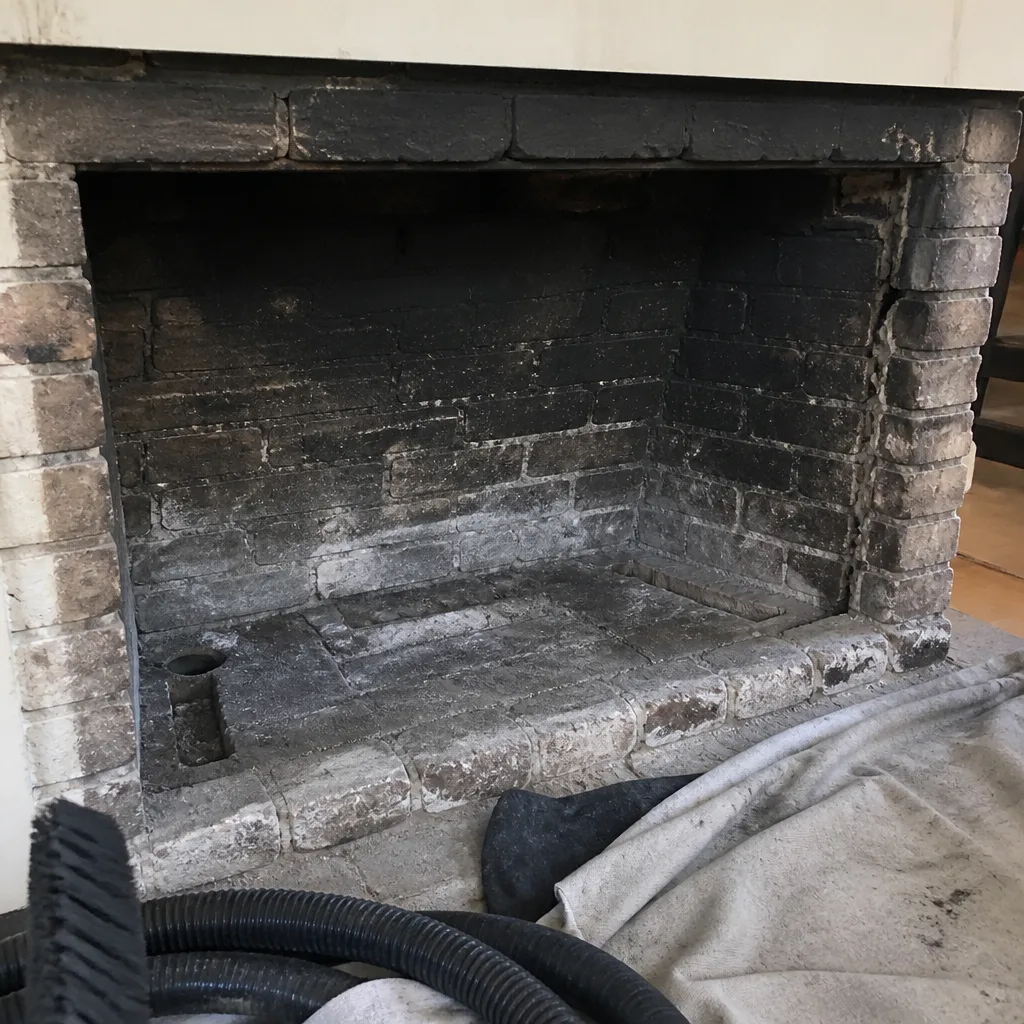
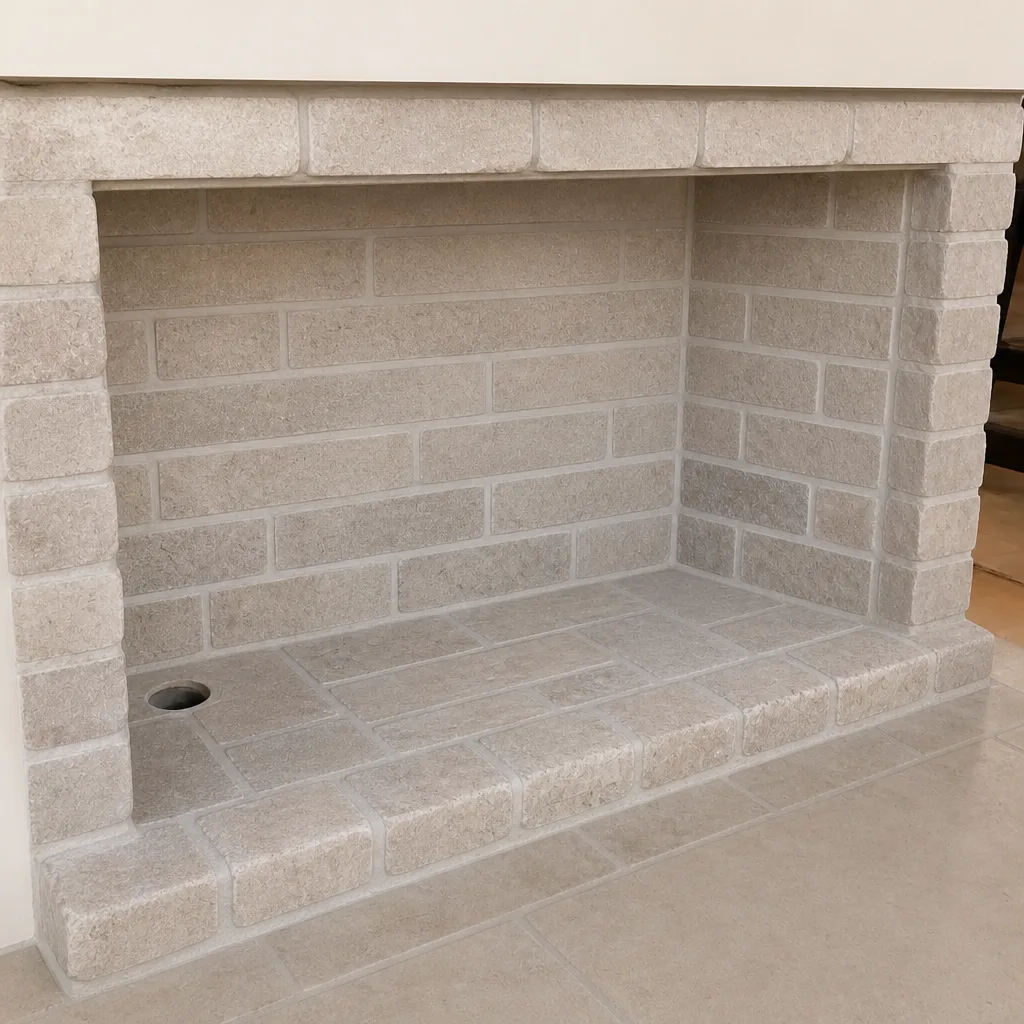
See the difference
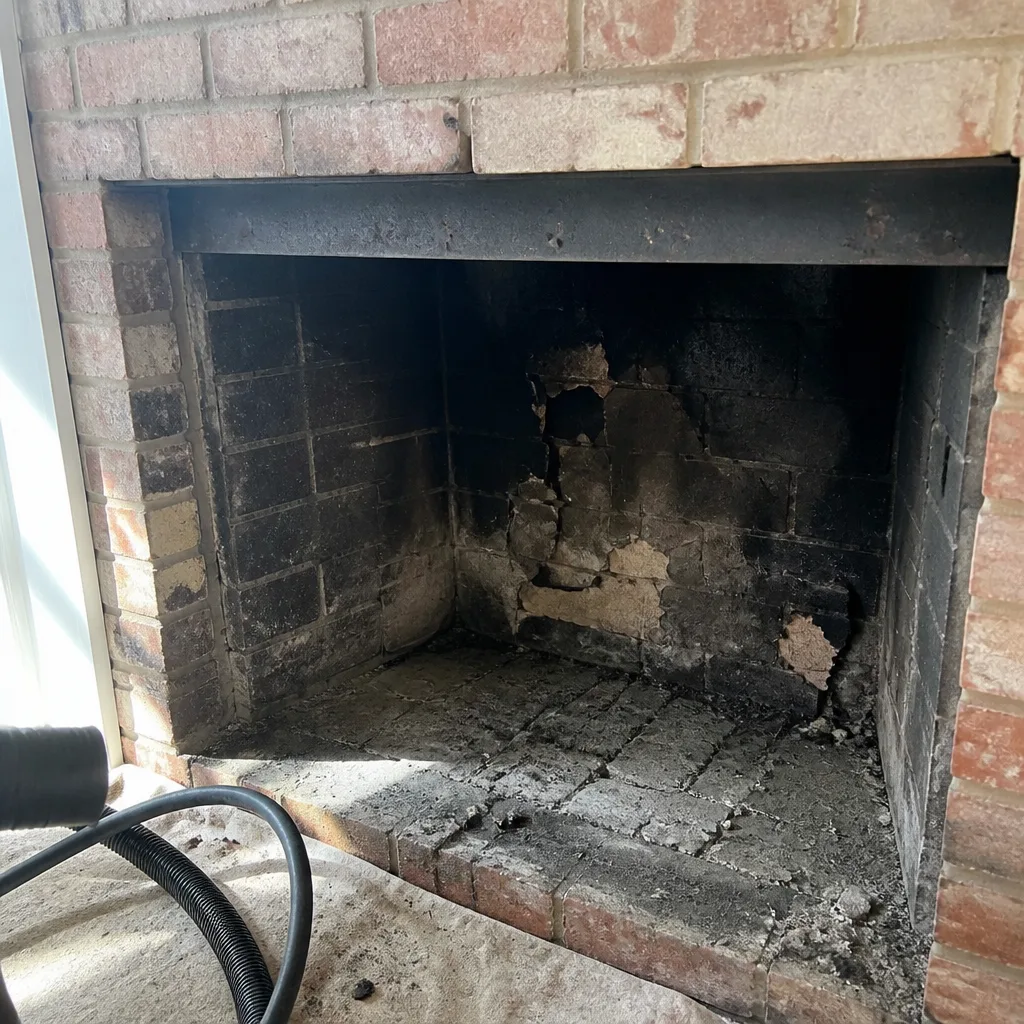 Before
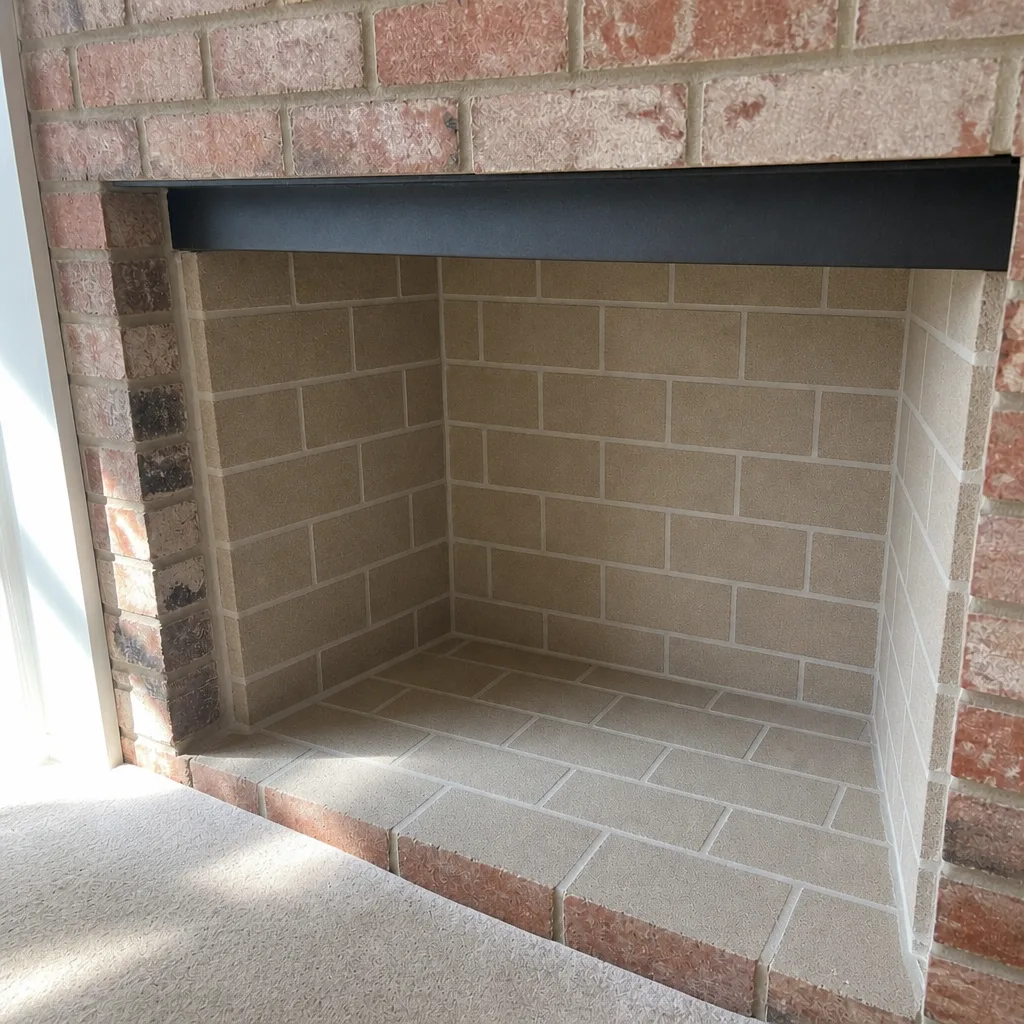 After
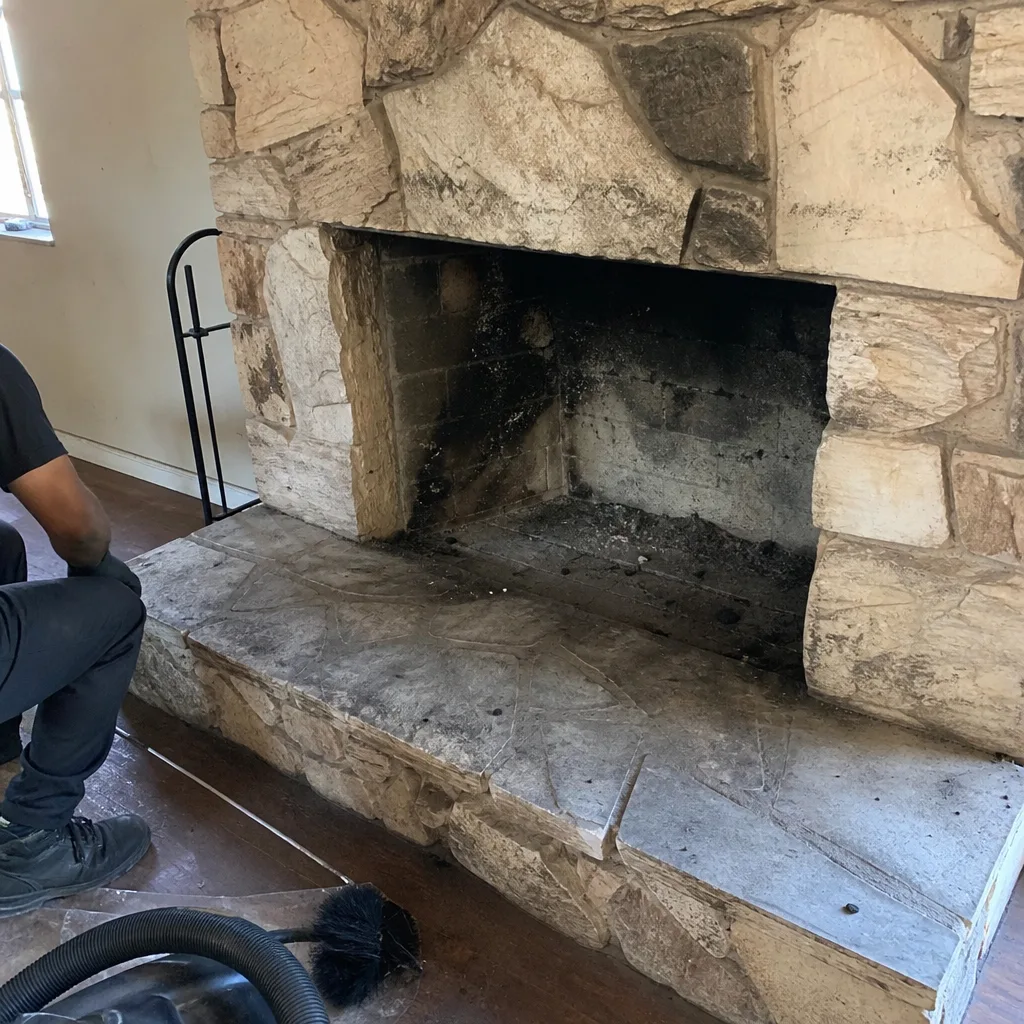 Before
 After
 Before
 After