
Last updated November 5, 2026
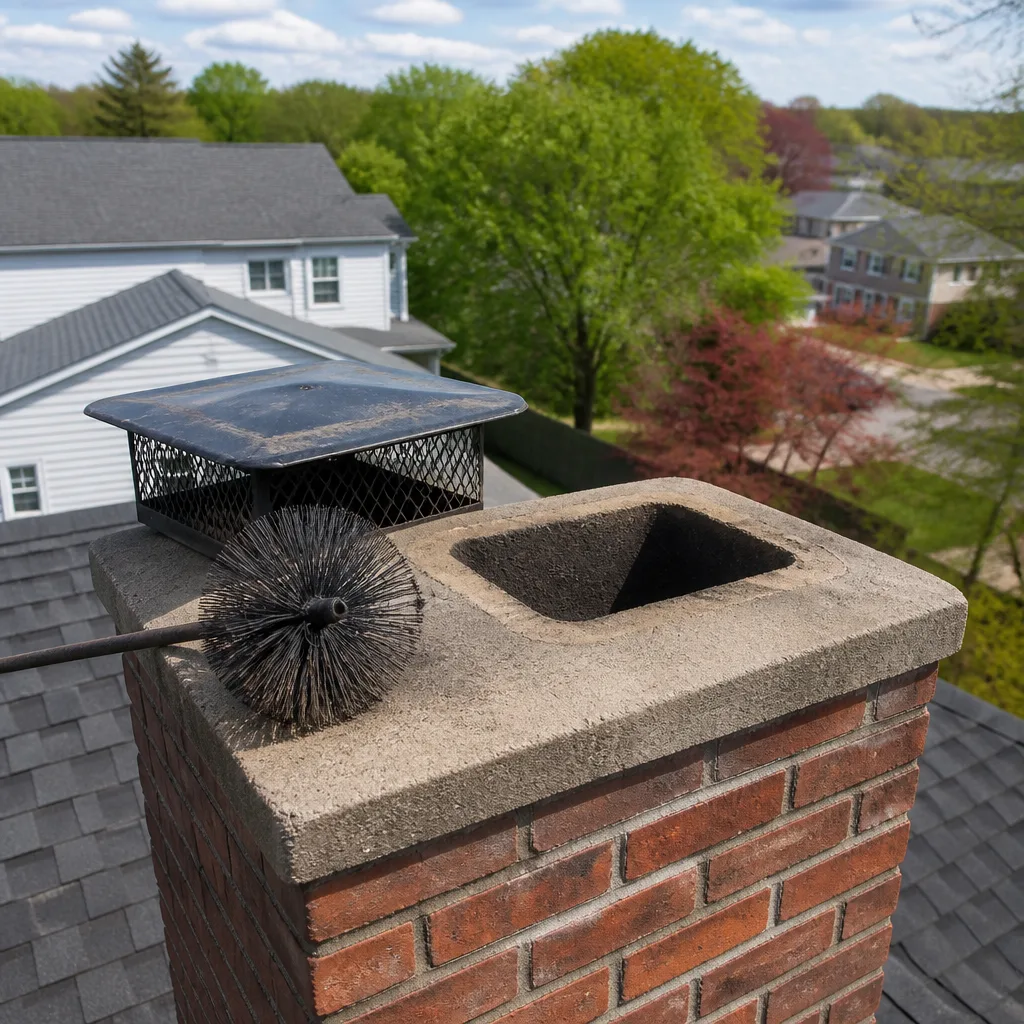 Sweep & inspection
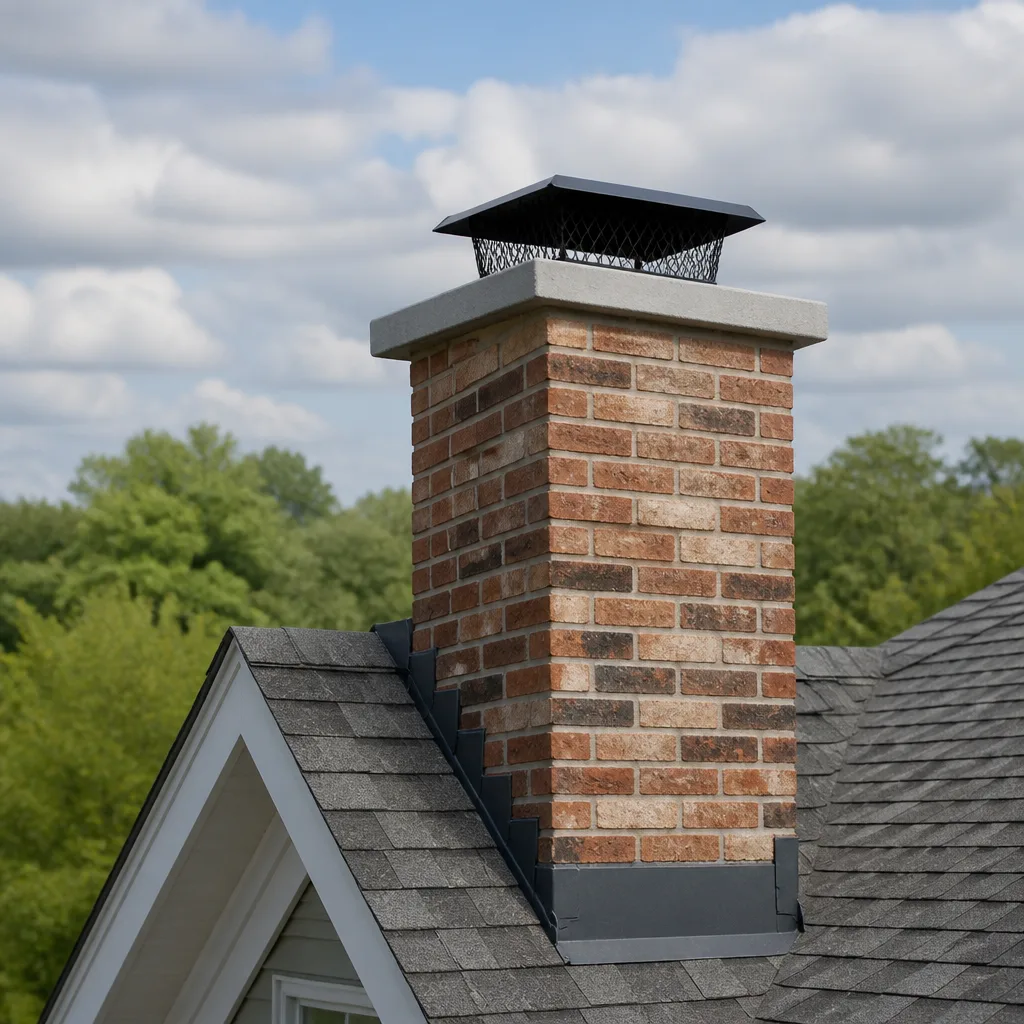 Caps & crowns
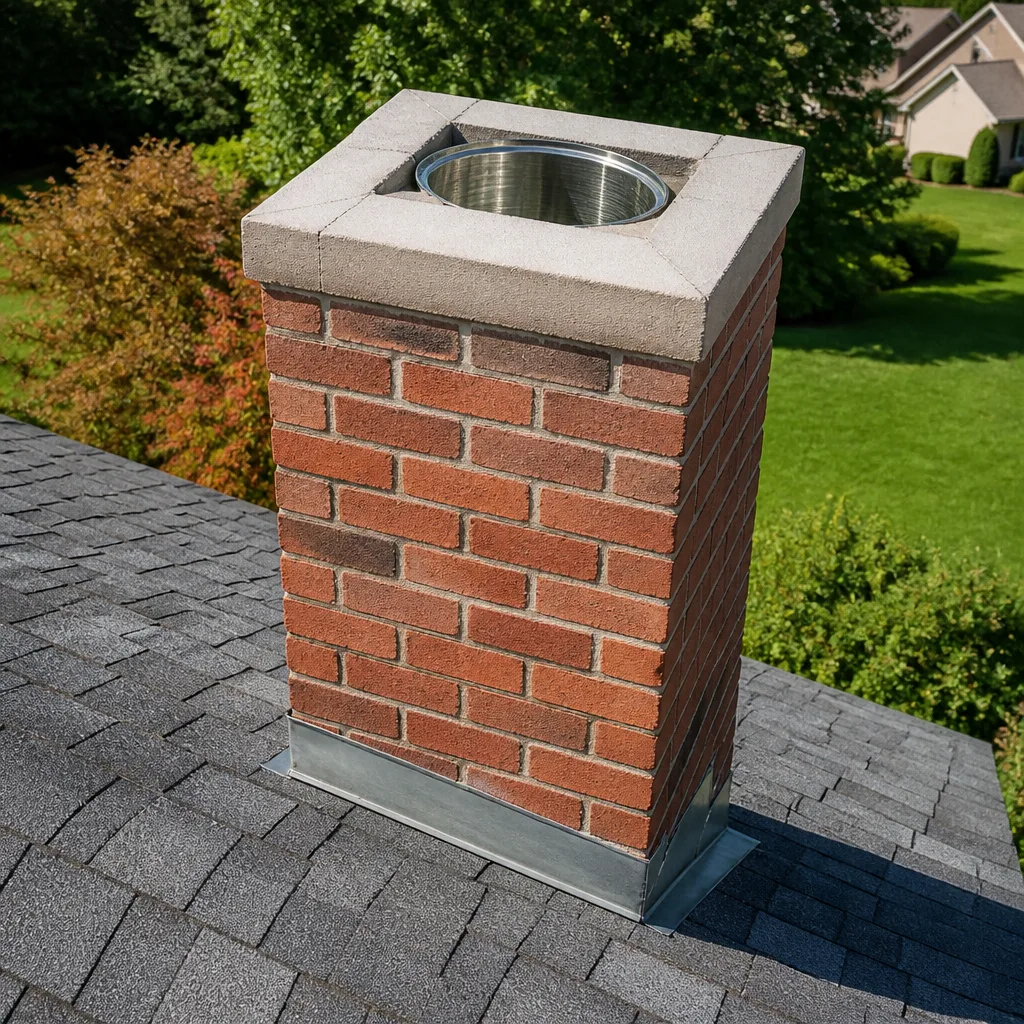 Flue relining
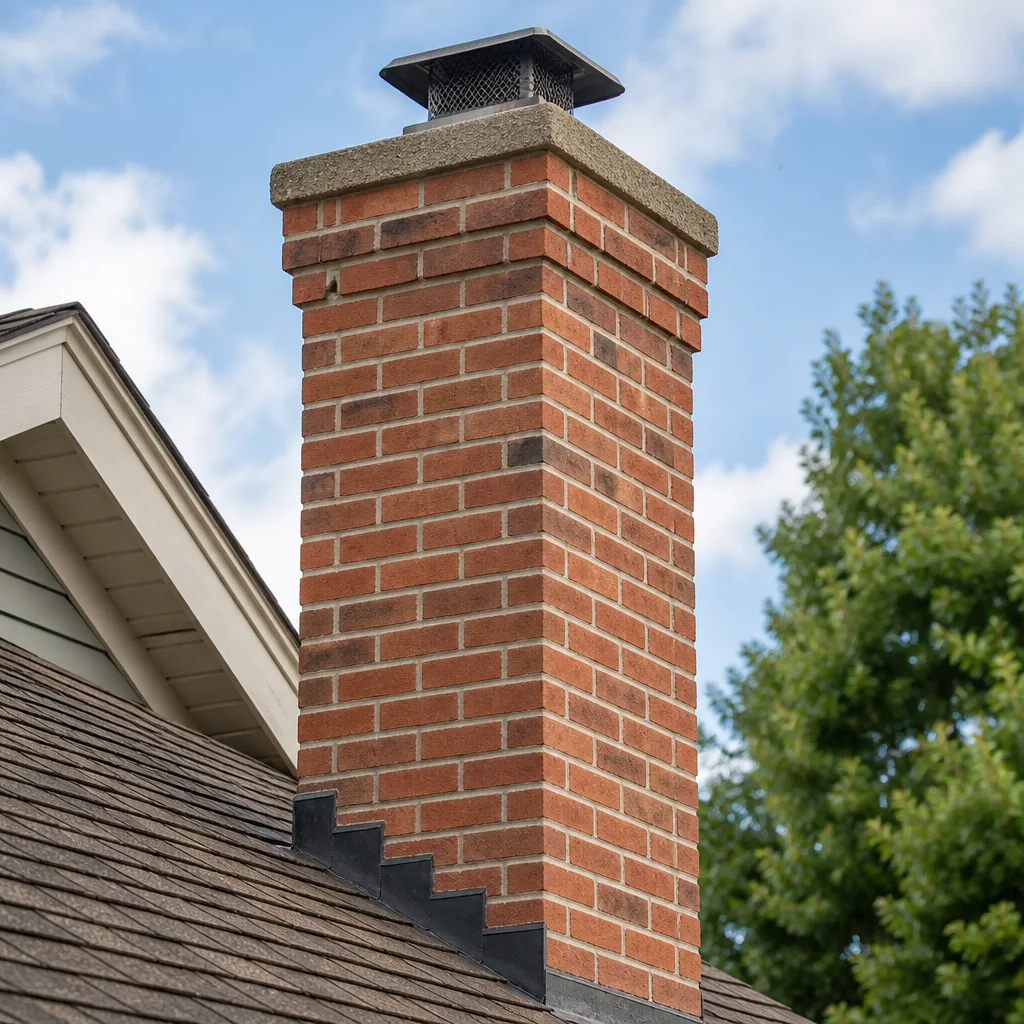 Masonry repair
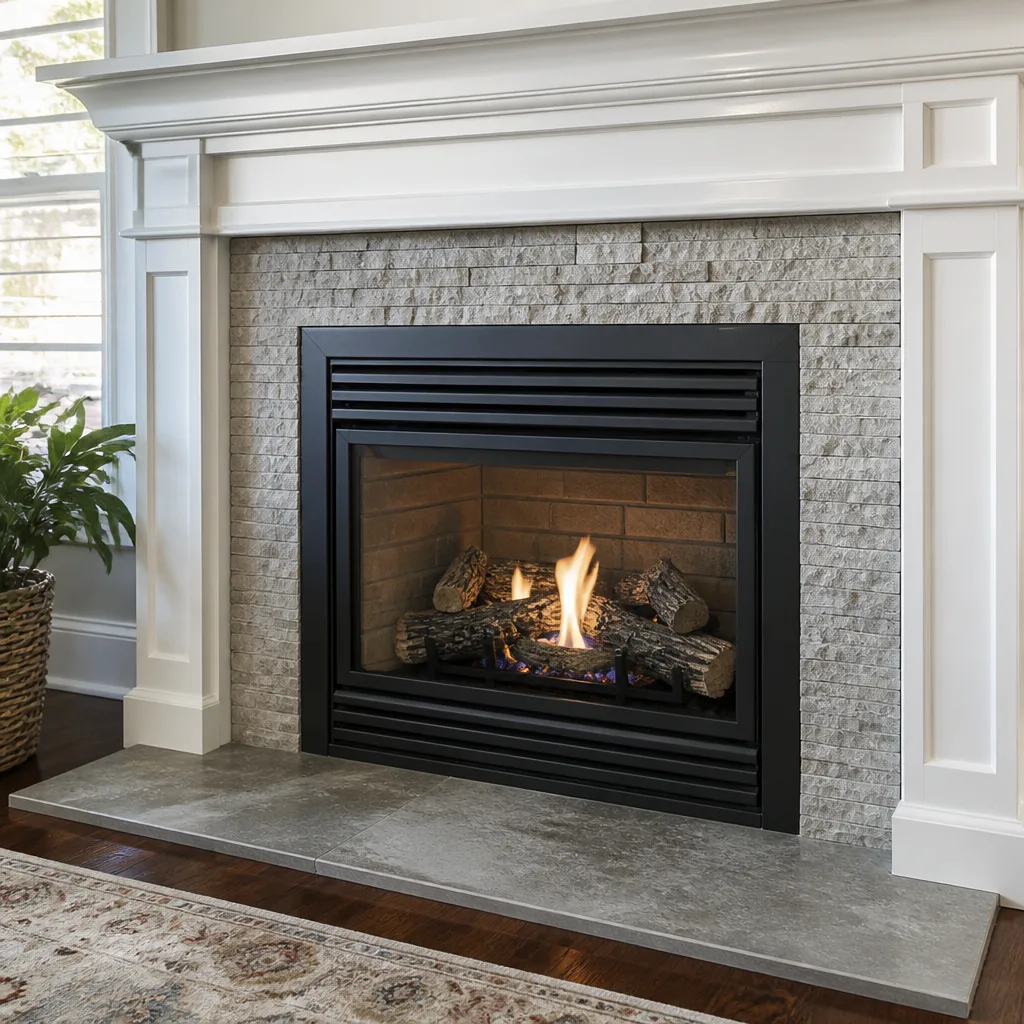 Gas fireplace service
Level 1 sweep and inspection to the NFPA 211 annual standard - flue, crown, cap, and flashing checked and photographed
Chimney sweep logs do not sweep chimneys. They loosen some creosote - which then falls where a brush and vacuum still have to collect it.
Chimney Sweep Maintenance Schedule: What to Do and When
Most chimney maintenance guides you’ll find online were written for homes in Chicago, Minneapolis, or Boston. They assume you’re burning wood for four or five months straight, dealing with freeze-thaw cycles, and fighting creosote buildup from heavy daily use. If you live in Fashion District, your chimney lives on an entirely different clock. You might light your fireplace six times between November and February, which means your maintenance timeline isn’t about heavy creosote accumulation. It’s about earthquake shifting, Santa Ana wind debris, critter intrusion during long idle months, and catching structural problems before that one night you actually want a fire. This guide walks through what to check, when to check it, and what genuinely needs professional attention in Fashion District.
Styles & brands we work with
- Sweep & inspection
- Caps & crowns
- Flue relining
- Masonry repair
- Gas fireplace service
Quick Answer
In Fashion District, schedule a professional chimney sweep and inspection once a year in September, before the first burn of the season. Visual checks you can do yourself should happen monthly during the summer idle months and after any earthquake you feel indoors. Dryer vent cleaning should be done annually for single-family homes and every 6 – 12 months for multi-story buildings, depending on lint load and vent run length.
Table of Contents
- Why Standard Annual Advice Fails in Fashion District
- A Month-by-Month Maintenance Schedule for Fashion District Homes
- September: The Most Critical Inspection Window
- What You Can Check Yourself vs. What Requires a Level 2 Inspection
- Earthquake Activity and Your Chimney: When to Inspect Outside the Annual Cycle
- Dryer Vent Cleaning Intervals for Fashion District Buildings
- Burn Season Practices: November Through February
- Common Mistakes to Avoid
- When to Call a Professional
- Frequently Asked Questions
Why Standard Annual Advice Fails in Fashion District
Most chimney maintenance schedules are built around a cold-climate reality. Long burn seasons mean heavy creosote accumulation, which is the primary driver for frequent sweeping. In Fashion District, the burn season is short and light. That doesn’t mean maintenance matters less. It means the maintenance priorities shift.
Here’s what actually drives chimney maintenance needs in Fashion District:
- Long idle periods. Your chimney sits unused for eight or nine months a year. During that time, birds can nest, debris can accumulate, and small cracks can widen without anyone noticing.
- Santa Ana wind events. Strong winds from the east push debris, dust, and sometimes ember-carrying material onto roofs and into uncapped flues. A chimney that was clean in May might not be clean in October.
- Earthquake movement. Even minor tremors can shift chimney crowns, loosen flashing, or open hairline cracks in mortar joints. These aren’t catastrophic failures, but they change your chimney’s structural integrity.
- Infrequent use masking problems. When you only light a fire occasionally, you might not notice smoke rollback, drafting issues, or a damper that’s not sealing properly. By the time you do notice, the repair might be more involved than it needed to be.
That’s why the schedule below is built around Fashion District’s actual calendar: fire season awareness in late summer, inspection before first burn, light-use practices during the short burn season, and an idle-season protocol that catches problems early. A chimney sweep in this area isn’t just cleaning creosote. The job is equally about spotting what the long quiet months have done to your flue.
A Month-by-Month Maintenance Schedule for Fashion District Homes
This is the schedule we recommend for Fashion District homeowners. It accounts for the short burn season, the long summer idle period, and the specific weather patterns that affect chimneys in this area.
January – February: Active Burn Season, Light Use
- After each fire, check for unusual odors in the room 12 – 24 hours after the fire has gone out. A lingering smoke smell when no fire is burning suggests drafting problems or a partially blocked flue.
- Keep the damper closed when the fireplace is not in use. An open damper lets conditioned air escape, and in Fashion District’s mild winter, that’s most of the year’s heating cost.
- Watch for smoke rollback during fires. If smoke enters the room instead of rising up the flue, stop using the fireplace and schedule an inspection. This isn’t normal, even for older homes.
March – April: End of Burn Season
- Clean out the firebox completely. Remove all ash and unburned wood once you’re done burning for the season. Ash left in place for months can hold moisture against the firebox floor.
- Do a visual check of the chimney exterior from ground level. Look for cracks in the visible masonry, gaps between the chimney and the roofline, or any obvious leaning.
- Schedule your dryer vent cleaning if you haven’t had one in the past 12 months. This keeps the appliance side of your venting systems on the same calendar as the chimney side.
May – June: Early Idle Season
- Install or verify your chimney cap. This matters in Fashion District more than most people realize. Birds are active in spring, and an uncapped flue is an open invitation for nesting. A cap also keeps Santa Ana wind debris from accumulating in the smoke chamber.
- Check the chimney from the attic side if accessible. Look for water stains on the framing around the chimney chase. Stains indicate flashing failure, even if you can’t see it from the roof.
- Verify the damper seals properly. Close it and hold a lit incense stick near the opening. If smoke drifts upward into the damper, air is passing through, which means your conditioned air is escaping all summer.
July – August: Mid-Idle Season, Peak Heat
- Inspect the chimney crown and cap from a safe ladder position if you’re comfortable doing so. Look for hairline cracks in the crown, which are the most common entry point for water during rare but real rainstorms.
- Check for loose flashing around the chimney base. Periods of intense heat cause slight expansion and contraction, which can work flashing loose over years. A gentle visual check through binoculars from the ground works.
- Book your September inspection. The best chimney sweep appointments in Fashion District fill up in late summer because everyone has the same idea at once. Booking in August gets you a September slot.
September: The Most Critical Inspection Window
September is the month that matters most in Fashion District. Here’s why: if there’s a problem in your chimney, you want to know about it before the first cold evening makes you light a fire. By late September, the evenings start cooling enough that fireplaces get used for the first time in months. A chimney that’s been sitting idle since March has had six months to develop problems you haven’t seen.
Here’s what specifically gets checked during a September inspection:
- Creosote accumulation. Even light seasonal burning produces some creosote. It should be removed before the new burn season begins, not left to build year over year.
- Debris in the smoke chamber or flue. Santa Ana winds in late summer and early fall can push leaves, twigs, and dust into uncapped or poorly capped flues. Debris restricts drafting and can ignite.
- Damper function. A damper that became stuck during the summer can turn a cozy fire into a smoke-filled room. Check that it opens and closes fully before you need it.
- Flue tile condition. Hairline cracks that developed over years of thermal cycling become visible on camera inspection. Catching them before they widen matters because minor cracking can sometimes be addressed with HeatShield resurfacing rather than full flue replacement.
- Cap and crown integrity. The crown is the concrete or mortar slab at the top of the chimney. It’s the first line of defense against water. When it develops cracks, water gets into the masonry and slowly erodes mortar joints.
September is also when we’d recommend pairing your chimney sweep with a dryer vent cleaning if you haven’t scheduled one separately. Having both systems on the same calendar makes it easier to track.
What You Can Check Yourself vs. What Requires a Level 2 Inspection
There’s a meaningful difference between a homeowner’s visual check and what professional equipment reveals. Knowing where that line is saves you from either ignoring real problems or paying for inspections you don’t need yet.
What You Can Reliably Check Yourself
- Visible exterior masonry. From ground level, you can see obvious cracks, missing mortar, or staining. These are real signals, but they only show you the outside face of the chimney.
- Firebox condition. You can see cracks in the firebrick, deteriorating mortar joints, or unusual gaps around the damper frame.
- Basic draft check. On a cool day, open the damper and hold a lit match near the opening. If smoke pulls up into the flue, draft is present. If it drifts into the room, the flue may be blocked or the damper may not be opening fully.
- Cap presence. You can see whether a cap is installed and whether it’s obviously damaged or clogged with debris.
What Requires a Level 2 Inspection with Camera Equipment
- Interior flue tile condition. You cannot see the inside of your flue from the firebox. A camera inspection reveals cracked tiles, gaps in mortar joints, and areas where creosote has hardened into a glazed layer.
- Hidden connector pipe condition. In fireplaces with inserts or stoves, the connector pipe between appliance and chimney is often partially hidden. It deteriorates silently, and failure there is a carbon monoxide hazard.
- Smoke chamber condition. The tapered area above the damper collects creosote and debris out of sight. It’s a common spot for hidden buildup in Fashion District homes where burning is occasional and buildup accrues slowly over years.
- Flue sizing and configuration. A camera shows the full path of the flue, confirming it’s correctly sized for the appliance and free of offsets that trap debris.
A chimney sweep from Fireside uses camera inspection as standard on every visit, not as a premium add-on. The reason is simple: problems you can’t see cause most chimney fires and most carbon monoxide incidents. Guessing isn’t acceptable when the equipment exists to know.
Earthquake Activity and Your Chimney: When to Inspect Outside the Annual Cycle
Chimneys are the most earthquake-vulnerable part of any home. They’re tall, relatively narrow structures built of rigid masonry, and they extend above the roofline where ground motion gets amplified. In Southern California, even minor earthquakes that don’t damage furniture can shift chimney components enough to create problems.
Here’s what to watch for after any earthquake you feel indoors in Fashion District:
- New cracks in exterior chimney masonry. Compare against photos you’ve taken previously. A crack that wasn’t there before is worth professional attention, even if it looks minor.
- Gaps between the chimney and the roofline. This indicates the flashing has separated, which allows water intrusion into the roof structure around the chimney chase.
- Loose or tilted chimney cap. A cap that shifted means the top of the flue was exposed to movement. Have the smoke chamber checked for debris that may have fallen inside.
- Separation between the chimney and the house structure. Any visible space that widens or narrows when you press against the chimney from the roof or upper floor should trigger an immediate call to a qualified contractor, not a chimney technician.
If you’ve felt an earthquake that knocked pictures off walls or rattled windows, schedule a chimney inspection even if you had one done recently. The cost of catching a separated crown or cracked flue tile early is a fraction of what it costs after a water leak or a flue fire. If you’re uncertain whether what you’re seeing matters, call Fireside Chimney Sweep at (844) 963-3205 and describe what you’re looking at. We answer 24/7. Fast dispatch from 7am to 7pm, Sunday through Friday.
Dryer Vent Cleaning Intervals for Fashion District Buildings
Dryer vent maintenance follows a different schedule depending on the building type. The factor that matters most is vent run length: the distance from your dryer to the exterior vent termination. Longer runs accumulate lint faster, and multi-story buildings in Fashion District often have vents that run through interior walls, along ceilings, or up through roof penetrations.
For single-family homes in Fashion District with typical vent runs under 15 feet, annual dryer vent cleaning is usually adequate. If you dry multiple loads daily for a family, or if your vent run is longer than 15 feet, consider every 6 months.
For multi-story apartment and condo buildings, the picture changes. Vent runs in these buildings are often 20 feet or more, frequently with multiple elbows that trap lint at each turn. The appliance is also used more heavily per square foot of living space in multi-unit situations. A 6-month interval is the safer schedule in these buildings.
Signs that your dryer vent needs cleaning sooner than the schedule:
- Longer drying times. When a load that used to take 45 minutes starts taking 70 minutes, lint restriction is the most common cause.
- Hot dryer exterior or laundry room. The dryer is generating heat it can’t exhaust, which means the vent is partially blocked.
- Burning smell during operation. This is an urgent warning. Stop using the dryer and have it checked immediately.
- Visible lint at the exterior vent flap. Lint obstructing the flap means it’s built up inside the run too.
Dryer vent buildup is the leading cause of residential appliance fires. It’s not a maintenance nicety. It’s the single most preventable fire hazard in most homes, and it only takes one cleaning to confirm the system is clear.
Burn Season Practices: November Through February
Fashion District’s burn season is short and intermittent. That’s a good thing, but it creates a specific set of practices that differ from heavy-use regions.
Burn Only Seasoned Hardwood
Wood that hasn’t been split and stacked for at least 6 months contains moisture that produces more smoke than heat. That smoke cools on its way up the flue and deposits as creosote faster than you might expect, even with light use. In our experience, Fashion District homeowners who burn only seasoned hardwood can sometimes go two seasons without significant creosote accumulation, but the only way to confirm that is with an annual inspection.
Keep the Damper Fully Open During Fires
Partially open dampers restrict draft and increase creosote deposition. The damper should be fully open for the duration of the fire. It stays closed the rest of the time to prevent conditioned air loss.
Use a Spark Screen
If your fireplace doesn’t have glass doors, use a freestanding spark screen during fires. In Fashion District, where homes are close together and landscaping is often dry, an escaped spark from an unscreened fire is a hazard you can eliminate for under $100.
Never Burn Trash, Wrapping Paper, or Construction Scraps
These materials burn hot and unpredictably. They also produce thick, sticky smoke that coats the flue with residue that’s harder to remove than standard creosote. The fireplace is for seasoned firewood and nothing else.
Common Mistakes to Avoid
- Skipping the annual sweep because you barely used the fireplace. The idle season in Fashion District is when nests get built, debris accumulates, and existing cracks quietly expand. Light use doesn’t mean no maintenance. It means different maintenance priorities.
- Assuming a chimney cap is optional. In a region with Santa Ana winds and active bird populations, an uncapped flue is an invitation for problems. A cap costs far less than removing a bird’s nest from the smoke chamber or repairing water damage from debris-clogged flues.
- Waiting until the first cold evening to schedule an inspection. The best chimney technicians in Fashion District are booked solid in November and December. September scheduling gets you in before the rush and before the first burn.
- Treating earthquake cracks as cosmetic. A hairline crack in a chimney crown after a tremor isn’t a cosmetic defect. It’s a water entry point that will widen over subsequent seasons. Small repairs now prevent structural issues later.
- Ignoring a slow dryer because it still works. “Still works” isn’t the standard. When drying times creep up, the vent is telling you something. Ignoring it means the lint accumulates until the system becomes genuinely dangerous.
- Skipping the camera inspection to save money. A visual sweep without camera documentation tells you what the technician could see from the accessible openings. It doesn’t tell you what’s happening mid-flue. The problems you can’t see are the ones that hurt you.
- Burning unseasoned wood because it’s available. That smoking, hissing log is depositing creosote at an accelerated rate. Seasoned hardwood burns cleaner, produces more usable heat, and keeps your flue cleaner between professional visits.
When to Call a Professional
Some conditions are unambiguous. Call a professional chimney contractor if you notice any of these in your Fashion District home:
- Smoke enters the room during fires instead of rising up the flue
- You smell smoke when no fire is burning, especially on humid days
- Visibly crumbling mortar or spalling bricks on the exterior chimney
- A crack in the chimney crown or separation between chimney and roofline
- Drying times that have clearly increased or a burning smell from the dryer
- Any gap or movement you notice after an earthquake
Fireside Chimney Sweep offers free estimates in Fashion District. Call (844) 963-3205. We answer 24/7. Fast dispatch from 7am to 7pm, Sunday through Friday. If you’re not sure whether what you’re seeing matters, call and describe it. We’ll tell you honestly whether it needs attention now or can wait until your next scheduled sweep.
Frequently Asked Questions
Once a year, in September, before the burn season begins. Even light seasonal use produces creosote that should be removed before it accumulates over multiple seasons. The annual visit also catches debris from the long idle period and any structural changes from earthquake activity. Call (844) 963-3205 to book your annual sweep. The estimate is free.
The estimate is free, and the written estimate sets the final price per job. The cost depends on the condition of the flue, the type of fireplace or stove, and whether any repairs are identified during the inspection. Fireside Chimney Sweep provides a camera inspection with every sweep, so you see exactly what we see before any repair is recommended. Nothing gets recommended without photographic evidence you can review yourself.
Yes. Light use creates different problems than heavy use. In Fashion District, the long idle season allows birds to nest, debris to accumulate from Santa Ana winds, and small cracks to expand without anyone noticing. An annual inspection catches these issues before they become structural problems. It’s the least expensive maintenance you can do for your chimney.
Creosote builds up over time even with light use, and it becomes progressively harder to remove the longer it sits. Debris accumulates in the smoke chamber and flue, restricting draft and increasing fire risk. Cracked flue tiles widen, allowing heat and combustion gases to reach combustible materials around the chimney. The repairs needed after 5 years of neglect are always more expensive than 5 years of annual maintenance.
In many cases, yes. Hairline cracks in flue tiles can often be addressed with HeatShield resurfacing, which restores the flue’s integrity without removing the existing tiles. Crown cracks and flashing separation are repairable with professional-grade materials from manufacturers like Olympia Chimney and Famco. Full rebuilding is sometimes necessary for severe structural separation, but that’s the exception, not the rule. A camera inspection determines which situation applies to your chimney.
Longer drying times are the most reliable indicator. If a load that used to finish in 45 minutes now takes an hour or more, lint restriction is the probable cause. You may also notice the dryer exterior running hot, a burning smell, or lint visible at the exterior vent flap. In Fashion District’s multi-story buildings, annual cleaning is recommended even without these signs because of longer vent runs and heavier use per unit. Call (844) 963-3205 for a free estimate on dryer vent cleaning.
The Bottom Line
A chimney maintenance schedule for Fashion District has to account for the climate we actually live in, not the one generic advice assumes. September inspection, monthly visual checks during the idle season, post-earthquake attention, and annual dryer vent cleaning cover the real risks here. The good news is that none of this is complicated once it’s on the calendar. One annual professional visit catches problems early, one or two quick visual checks through the summer keep you aware, and the burn season stays simple because the groundwork was done before it started. If you haven’t scheduled your September sweep yet, call (844) 963-3205. We answer 24/7. Fast dispatch from 7am to 7pm, Sunday through Friday.
Written by the team at Fireside Chimney Sweep, serving Fashion District since 2012.
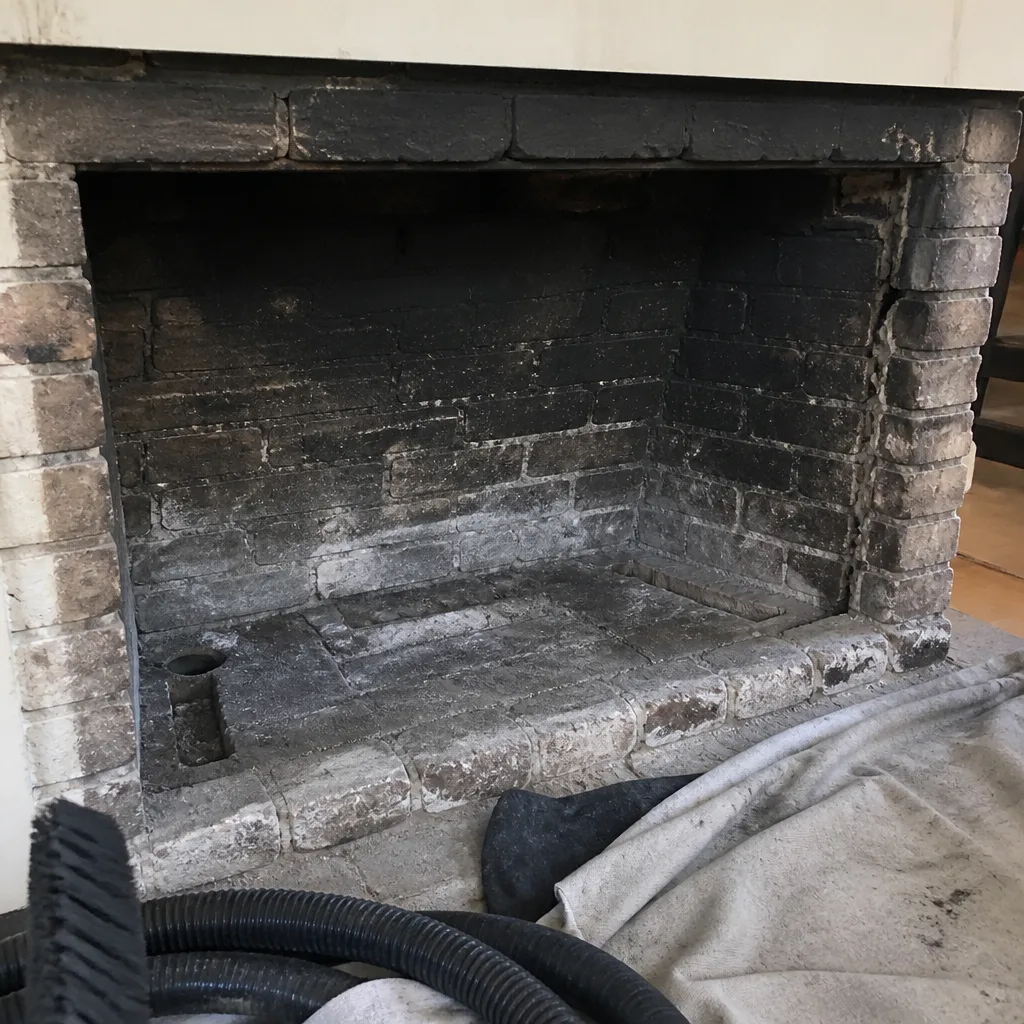
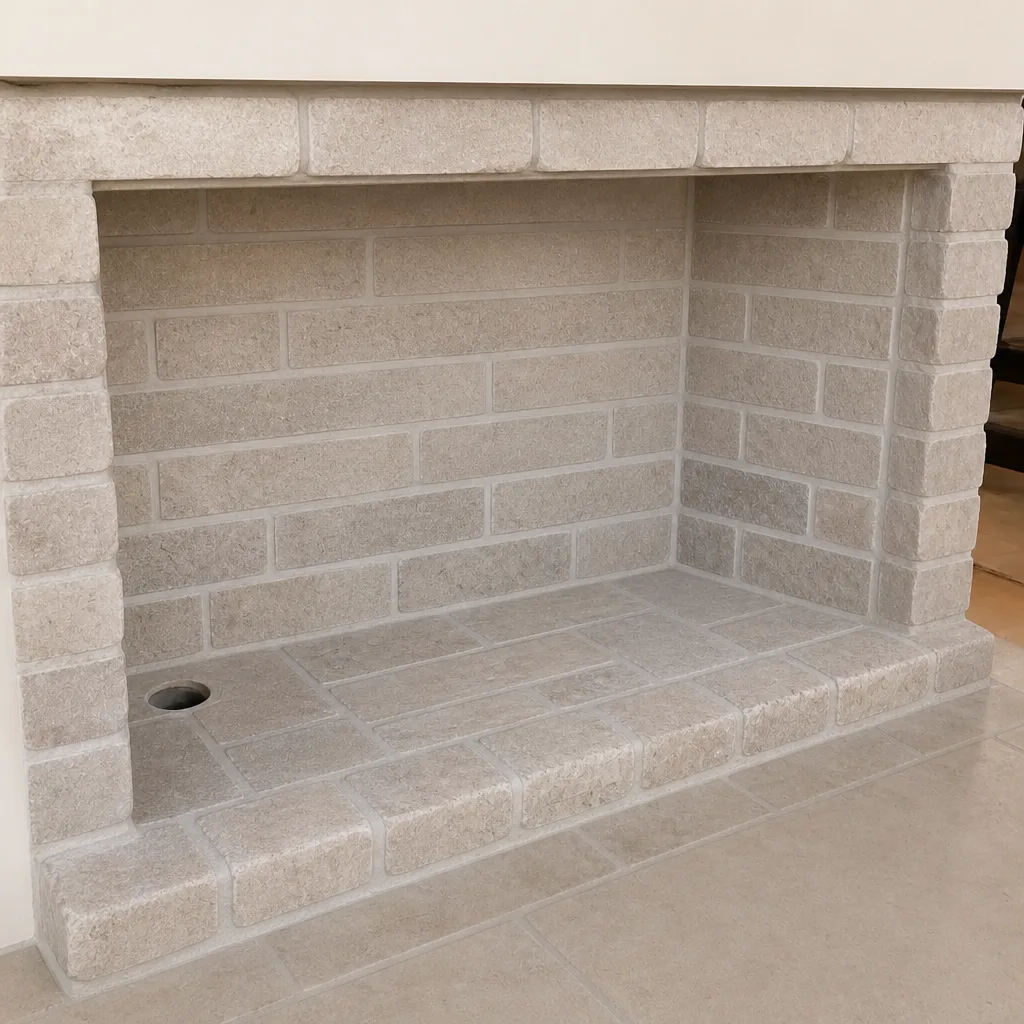
See the difference
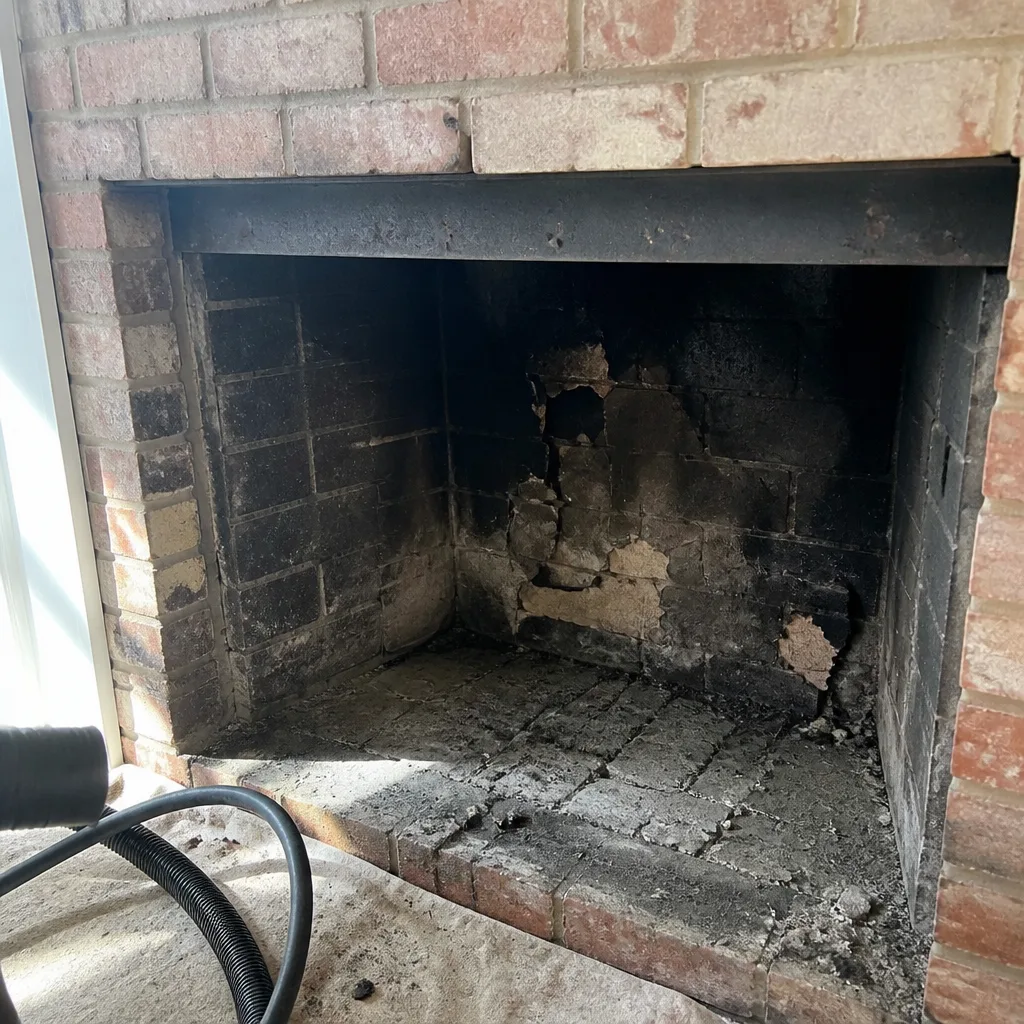 Before
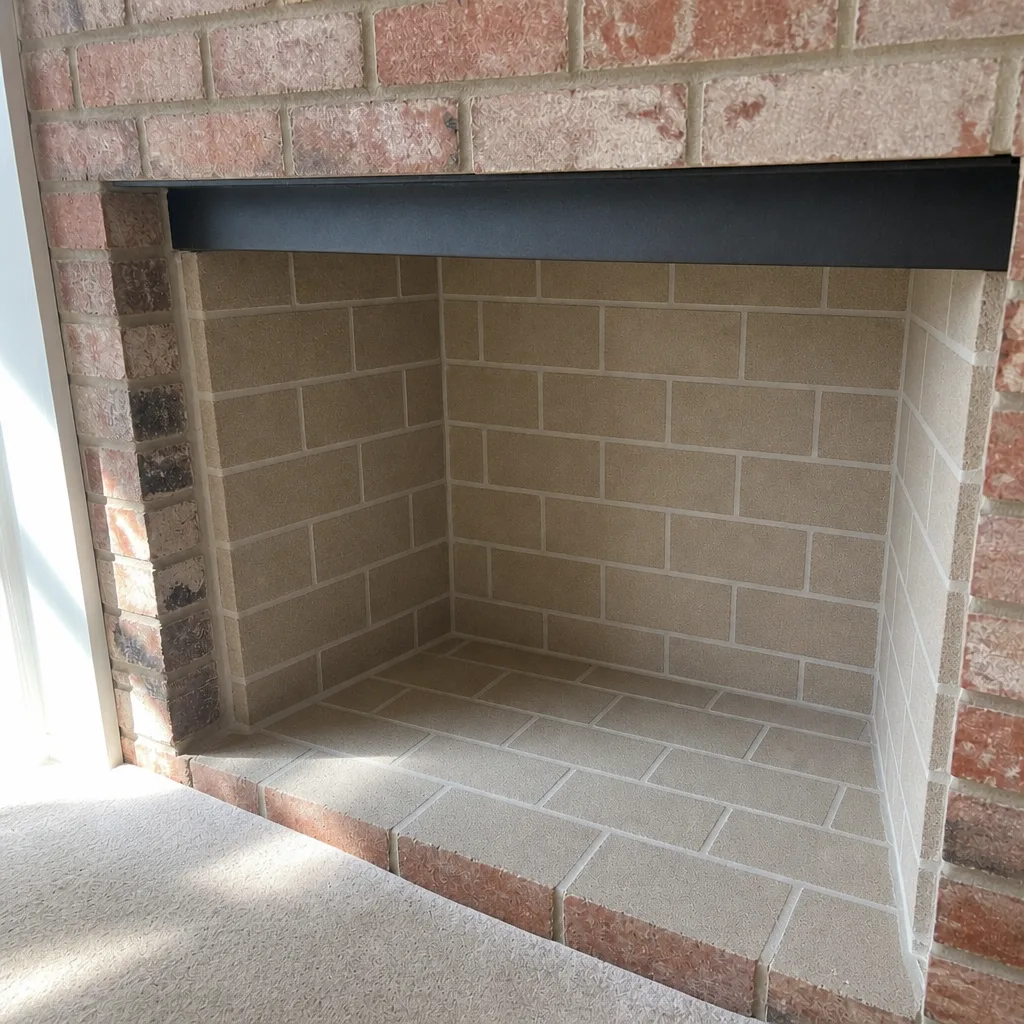 After
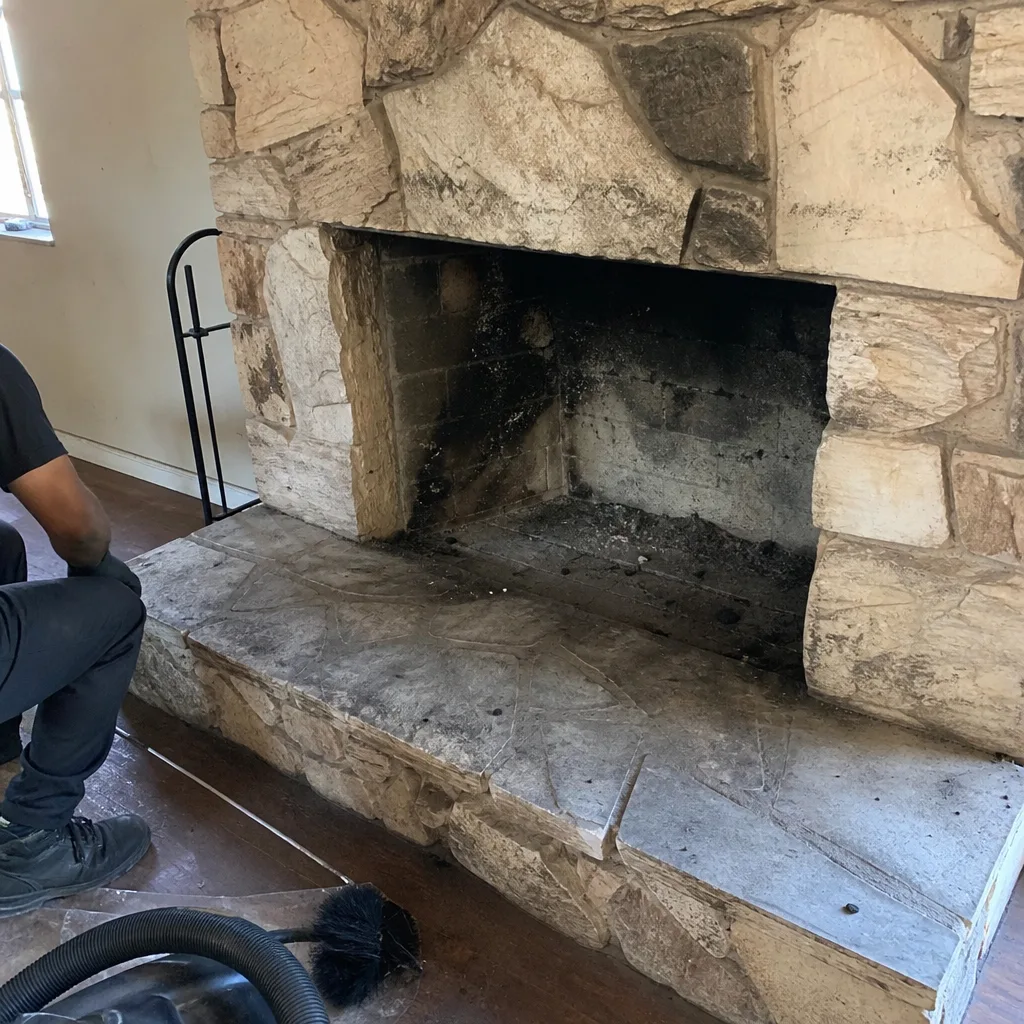 Before
 After
 Before
 After