

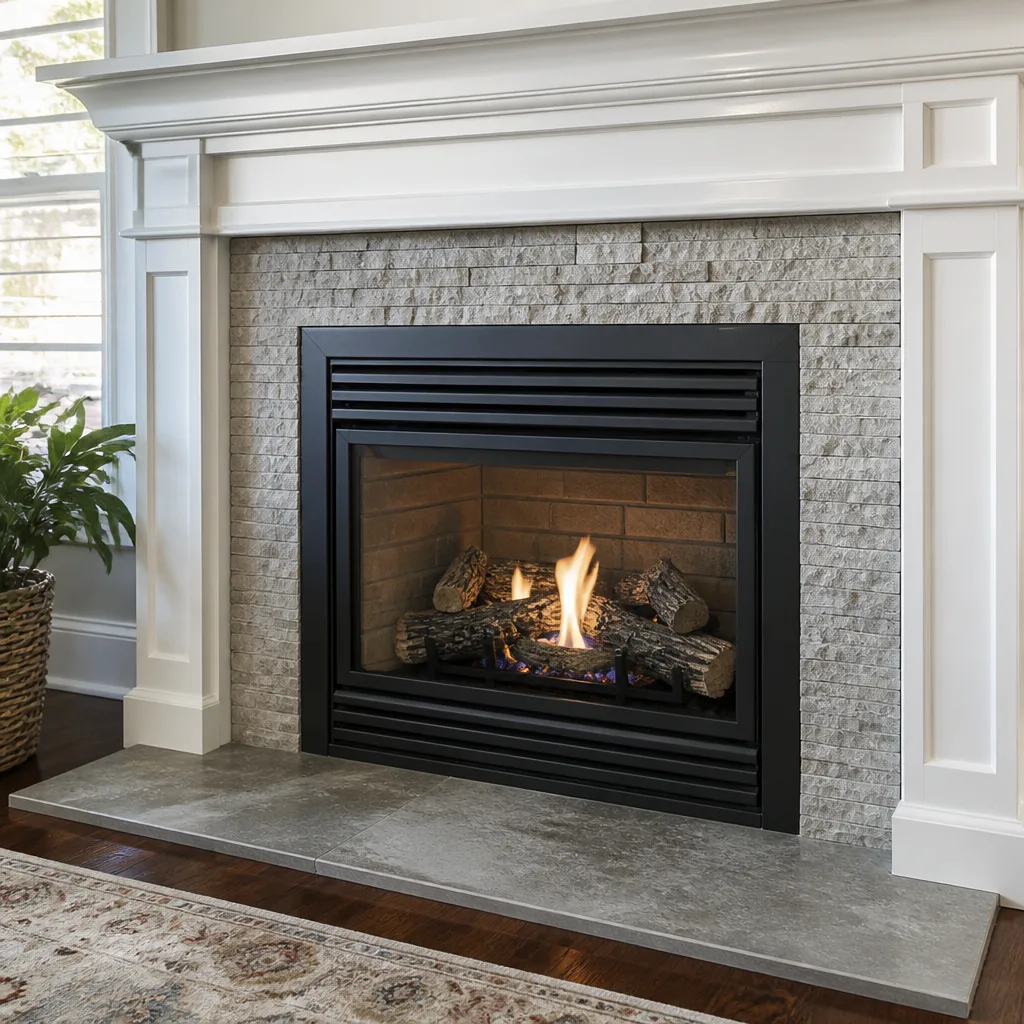
 Gas fireplace service
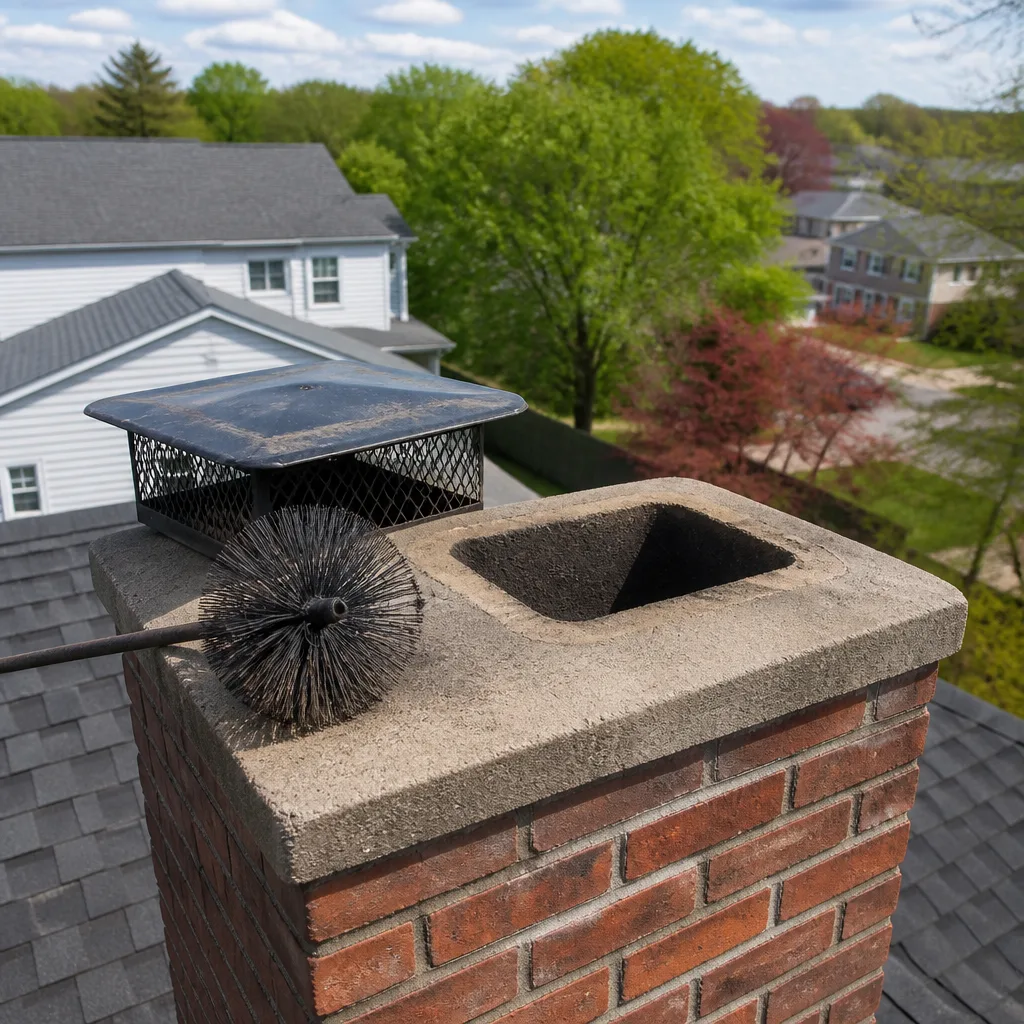 Sweep & inspection
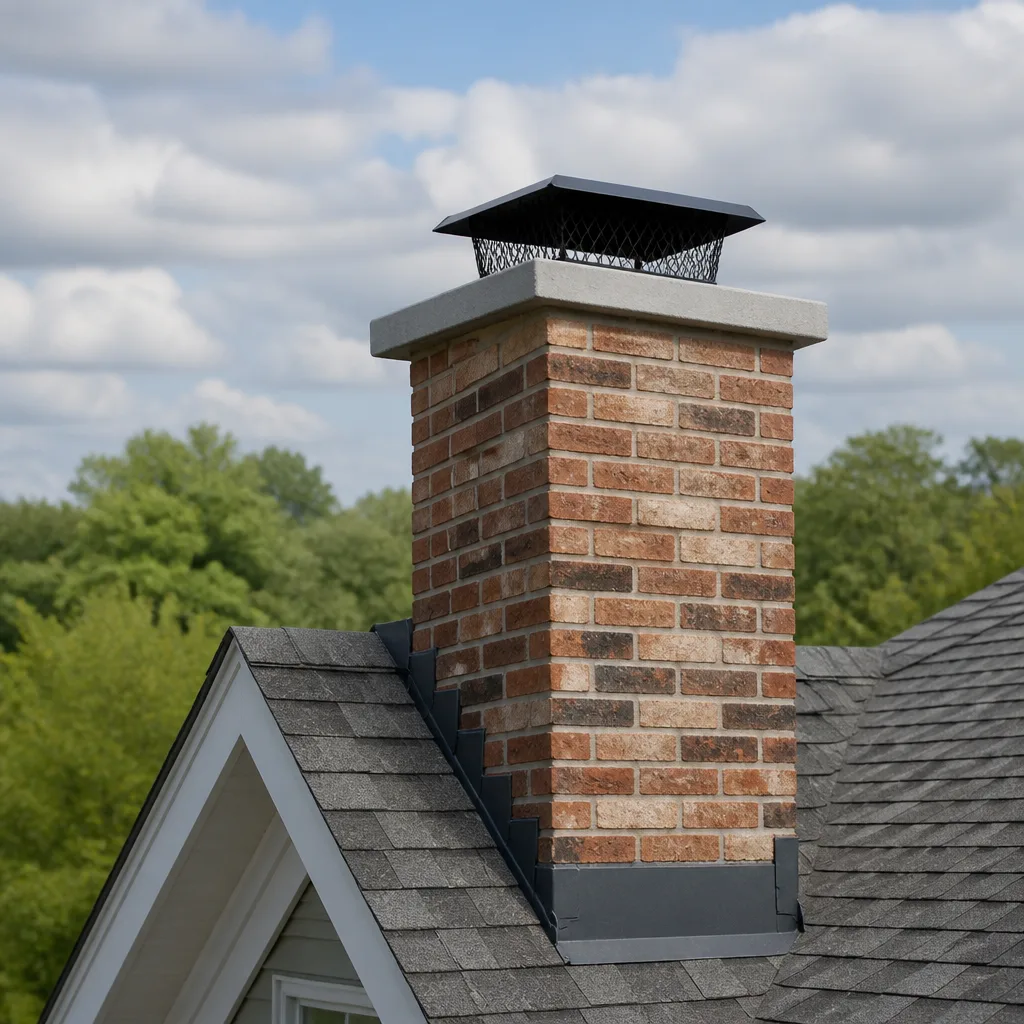 Caps & crowns
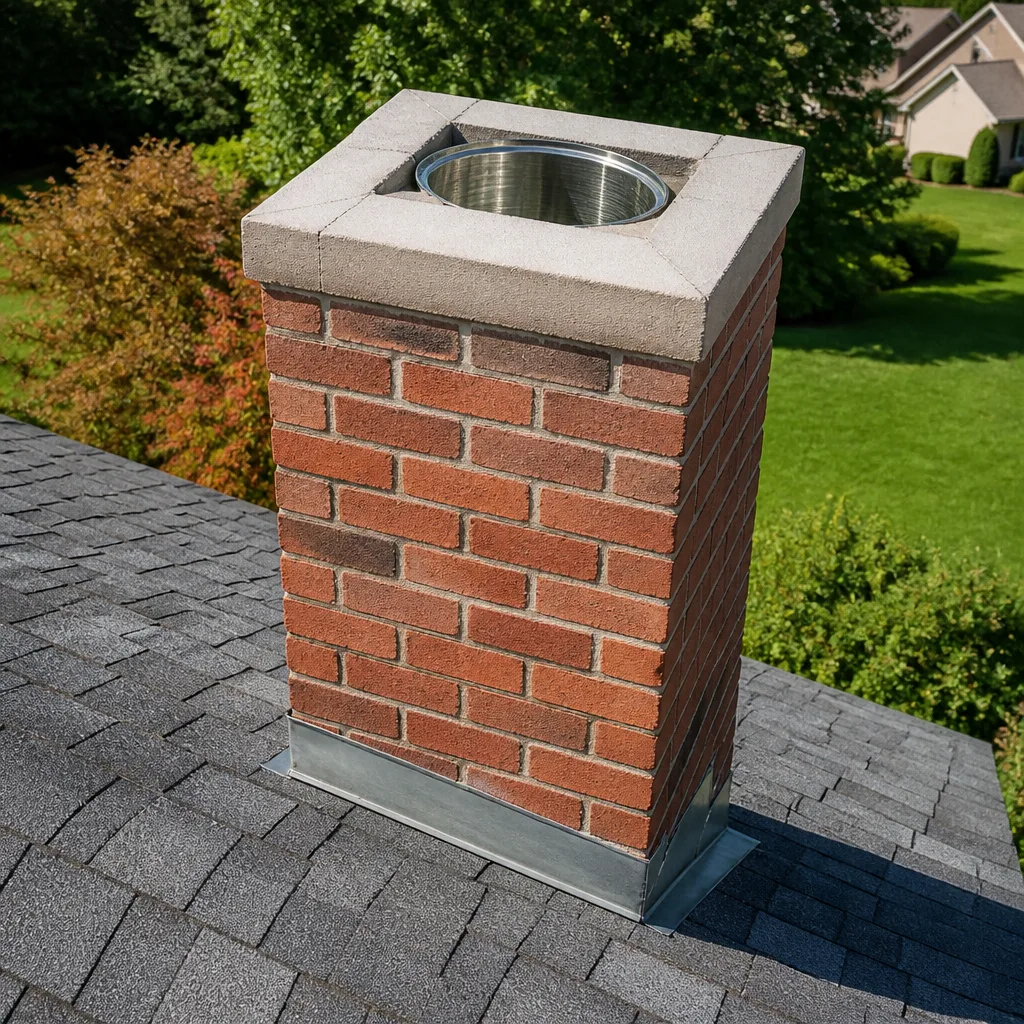 Flue relining
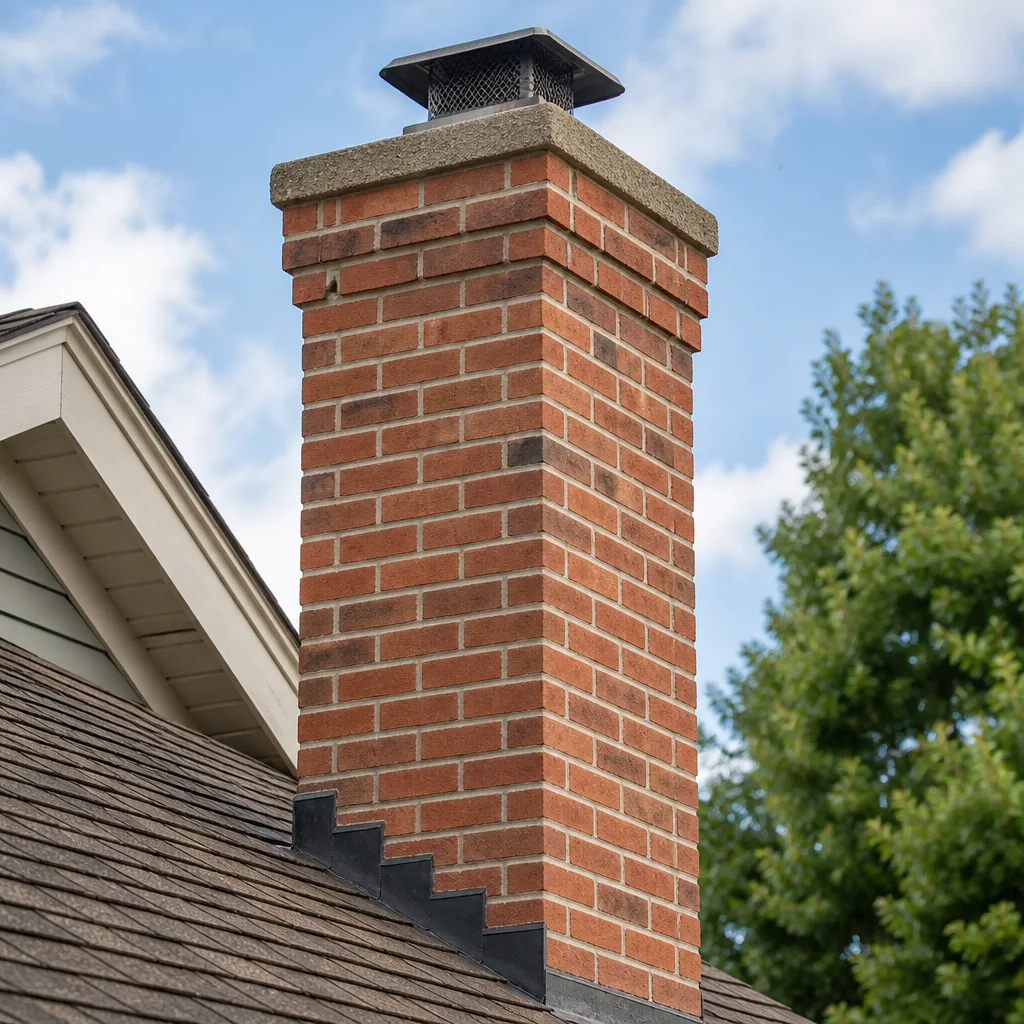 Masonry repair
Level 1 sweep and inspection to the NFPA 211 annual standard - flue, crown, cap, and flashing checked and photographed
Chimney sweep logs do not sweep chimneys. They loosen some creosote - which then falls where a brush and vacuum still have to collect it.
Why Fashion District Homeowners Choose HeatShield Chimney Cleaning
We provide independent HeatShield chimney cleaning and repair service throughout the Fashion District, and our approach is different because we actually read the cured surface condition before touching anything. Cracking, flaking, joint gaps, bond loss – those tell us whether a flue needs a sweep, a recoat, or a full stainless reline, and we say so plainly either way. Fireside Chimney Sweep has worked on HeatShield resurfaced flues across converted loft buildings and restaurant properties in the Fashion District since 2012. We are an independent HeatShield service provider, not an authorized or factory-affiliated shop.
Call (844) 963-3205 and we can walk you through what you’re seeing. We answer 24/7. Fast dispatch from 7am to 7pm, Sunday through Friday.
Why Trust Fireside Chimney Sweep for Your HeatShield Chimney Cleaning?
Duane Quintero learned building systems and ventilation through the HVAC and construction technology program at Los Angeles Trade-Technical College, and he’s been looking at flues across this city since long before Fireside Chimney Sweep opened in 2012. He grew up in the Historic Core, a short walk from the Fashion District, and he knows what these old masonry chimneys look like from the inside.
What that means for your HeatShield flue is simple: we know what a properly bonded Cerfractory surface should look like, and we know what it looks like when it’s failing. Our sweeps understand the failure modes specific to cast-in-place ceramic coatings – hairline cracking from repeated overfire, flaking from under-prepped clay tile, joint bridging that cracks open at offset joints. We use the genuine insulating Cerfractory mix and manufacturer application procedures when a recoat is warranted. Aftermarket substitutes won’t cure to the same thickness or bond to the tile the way the real system does, and we don’t take that shortcut. We also know when a recoat is the wrong call entirely.
Styles & brands we work with
- Sweep & inspection
- Caps & crowns
- Flue relining
- Masonry repair
- Gas fireplace service
Common HeatShield Chimney Cleaning Problems We Fix in Fashion District
- Cerfractory flaking or spalling off the original clay tile. This happens when the flue wasn’t prepped properly before the first application, or the coating went on too thin to bond and cure correctly. Flakes end up in the smoke chamber and on the damper, and the exposed tile underneath starts absorbing creosote again. We grind back the loose material to sound substrate and recoat using the manufacturer’s application procedure.
- Hairline cracking along the cured surface after a chimney fire or repeated overfire. A coating that’s been stressed by extreme heat can crack in fine webs, letting creosote wick behind the coating and sit against the original tile. That’s exactly the kind of thing a Level 2 inspection with a camera is built to find. We don’t just sweep over it and call it done – we assess whether the cracks are cosmetic or structural.
- Coating that bridged a shifting or offset tile joint and then cracked open at that joint. Older clay tile flues shift over decades. HeatShield applied over a poorly aligned joint can bridge that gap, then crack wide open when the building moves or the flue heats unevenly. The crack exposes the original mortar seam. We re-form the joint properly before recoating so it isn’t just patched over the same weak point.
- Shedding ceramic flakes into the firebox or damper area. If a previous HeatShield layer didn’t bond well, you’ll find gray ceramic flakes in the firebox after every fire. That’s the coating letting go of the tile underneath. It means the old layer has to be mechanically removed in the affected areas before anything new goes on, and we inspect the full flue to make sure it isn’t happening higher up.
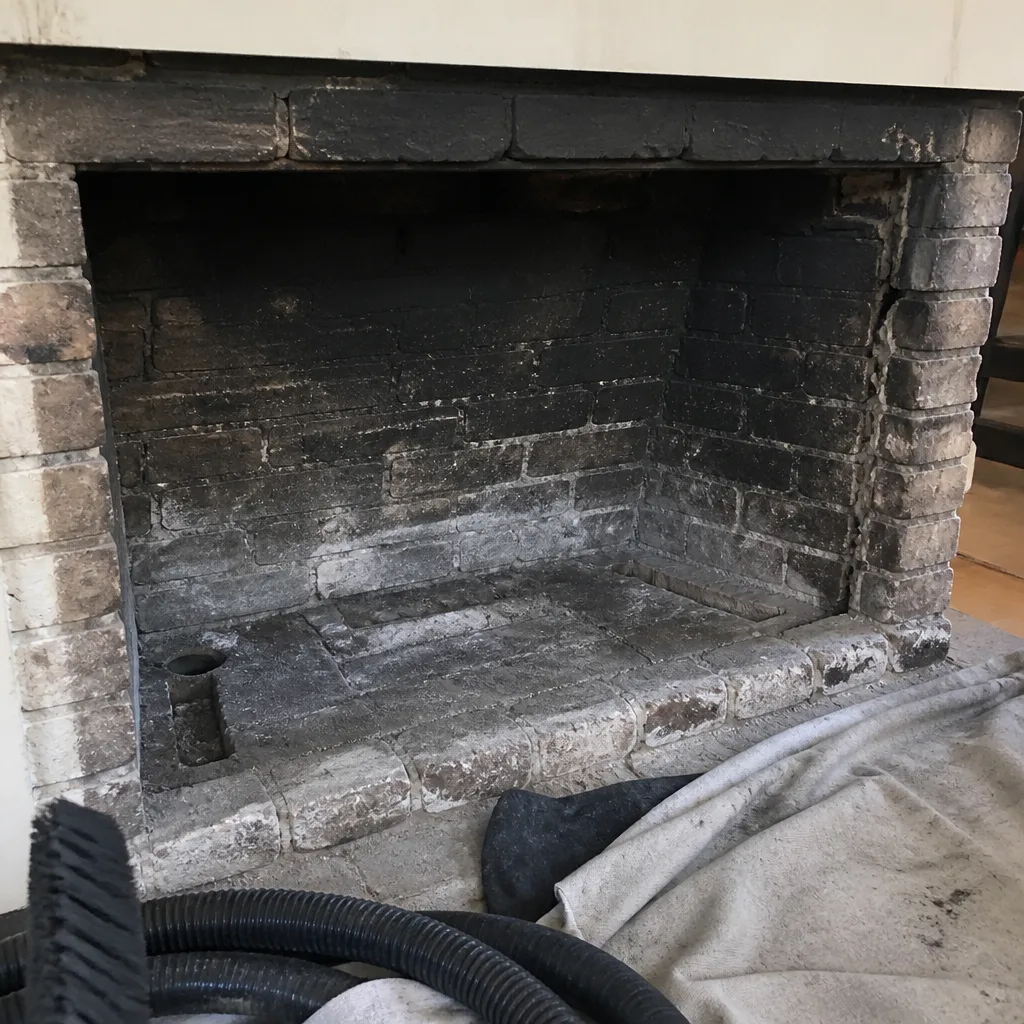
- Creosote buildup on a HeatShield surface with partial bond loss. When parts of a coating separate even slightly from the tile, creosote finds its way into the gap and accumulates behind it. A standard sweep clears the center of the flue but misses what’s behind those delaminated sections. We run a camera inspection to document it, then decide whether the coating needs to be stripped back in those areas or whether the whole flue has reached the end of its service life.
HeatShield Parts & Our Repair-vs-Replace Approach
We don’t stock OEM or genuine HeatShield parts, because we’re not a HeatShield dealer – we’re an independent chimney repair shop. What we use is the genuine insulating Cerfractory mix and the manufacturer’s application procedures when a HeatShield recoat is the right fix. That matters because the insulating properties of the mix are what make the system work, and a generic refractory cement doesn’t cure with the same thickness or bond.
The repair-vs-replace call comes down to what the camera shows us. If the coating is thin, flaking, or cracked but the underlying clay tile is still sound, a recoat makes sense. If the tile itself is structurally cracked through, if the flue is badly offset, or if the dimensions are too irregular for a sleeve to seat, we’ll tell you that and quote a stainless reline instead. Coating over a failing substrate is throwing money at the wrong layer of the problem. Call (844) 963-3205 and we’ll walk you through what your inspection actually shows. The estimate is free.
Our HeatShield Service Process – Step by Step
- 1
Diagnosis. We start with the flue condition. For HeatShield work that means running a camera through the full height of the chimney where access allows, checking the cured surface for bond loss, hairline cracks, joint separation, and flake shedding. We also check firebox and smoke chamber condition, because often the problems are connected.
- 2
Repair or resurfacing. If the flue is sound enough for HeatShield, we mechanically remove loose or delaminated coating, prep the underlying tile, then apply the genuine Cerfractory mix per the manufacturer’s procedure. Firebox repair and smoke chamber resurfacing happen at the same stage when needed.
- 3
Test. After the coating cures, we run a draft and smoke test to confirm the flue pulls correctly. We also re-run the camera on recoated sections to document what actually went down the chimney, not just what we said we did.
- 4
Warranty and documentation. You get a written report of what we found and what we did, with photos from the inspection. That record matters if you’re in a converted Fashion District building and need to show the fire department or a code inspector what work was done.
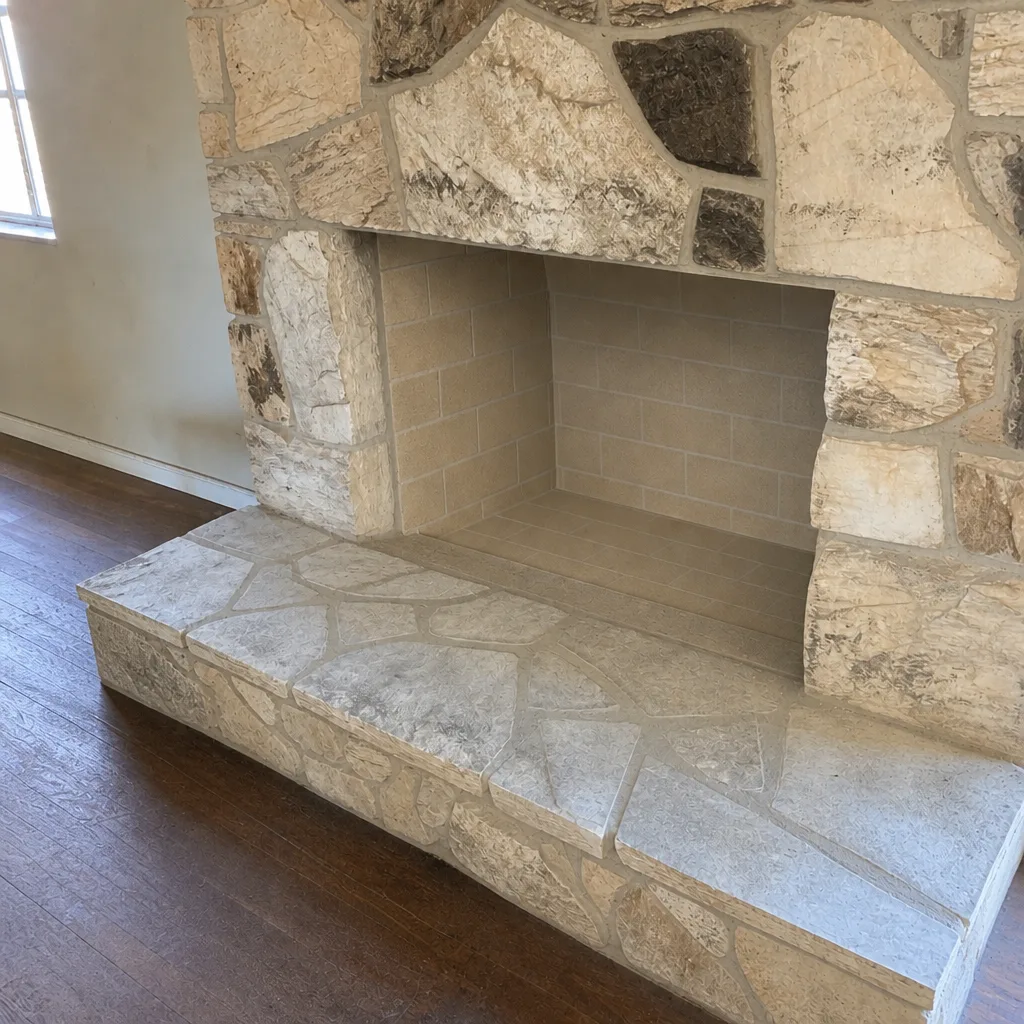
See the difference
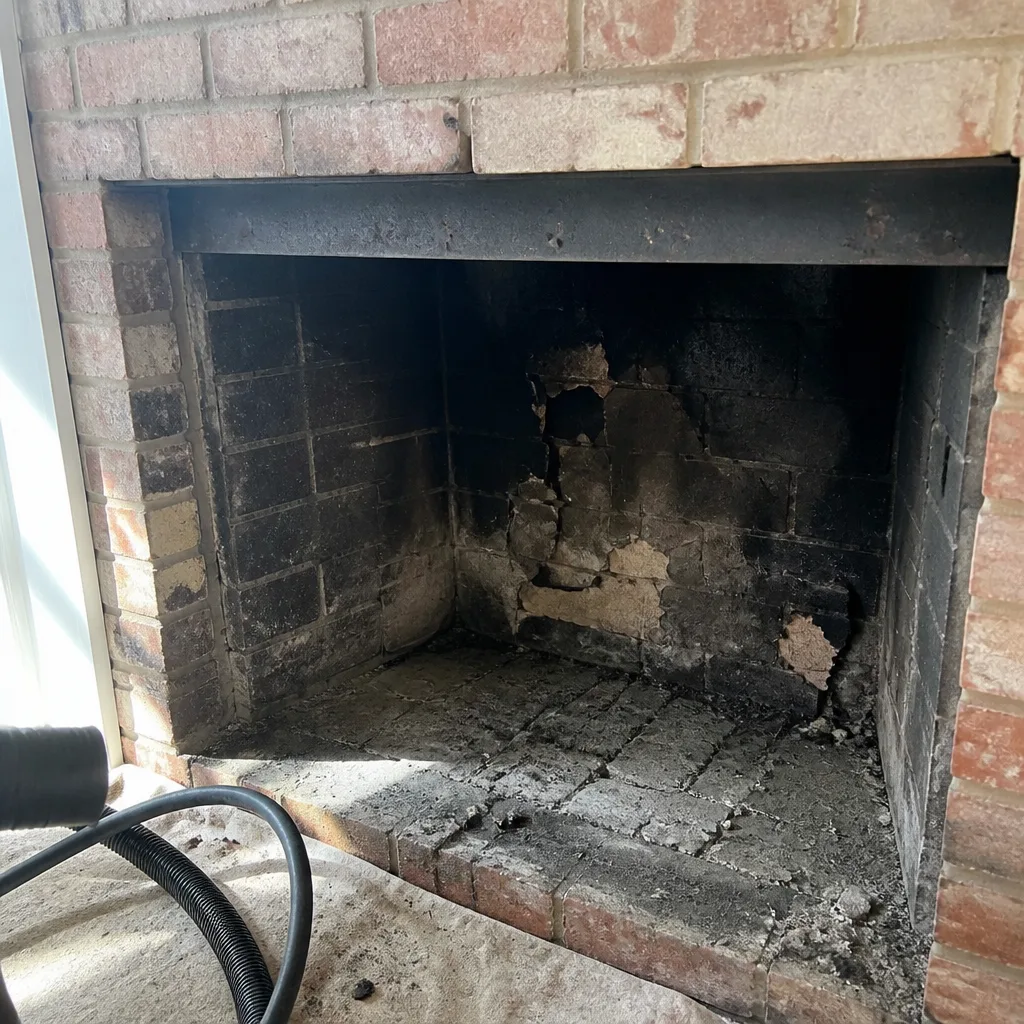 Before
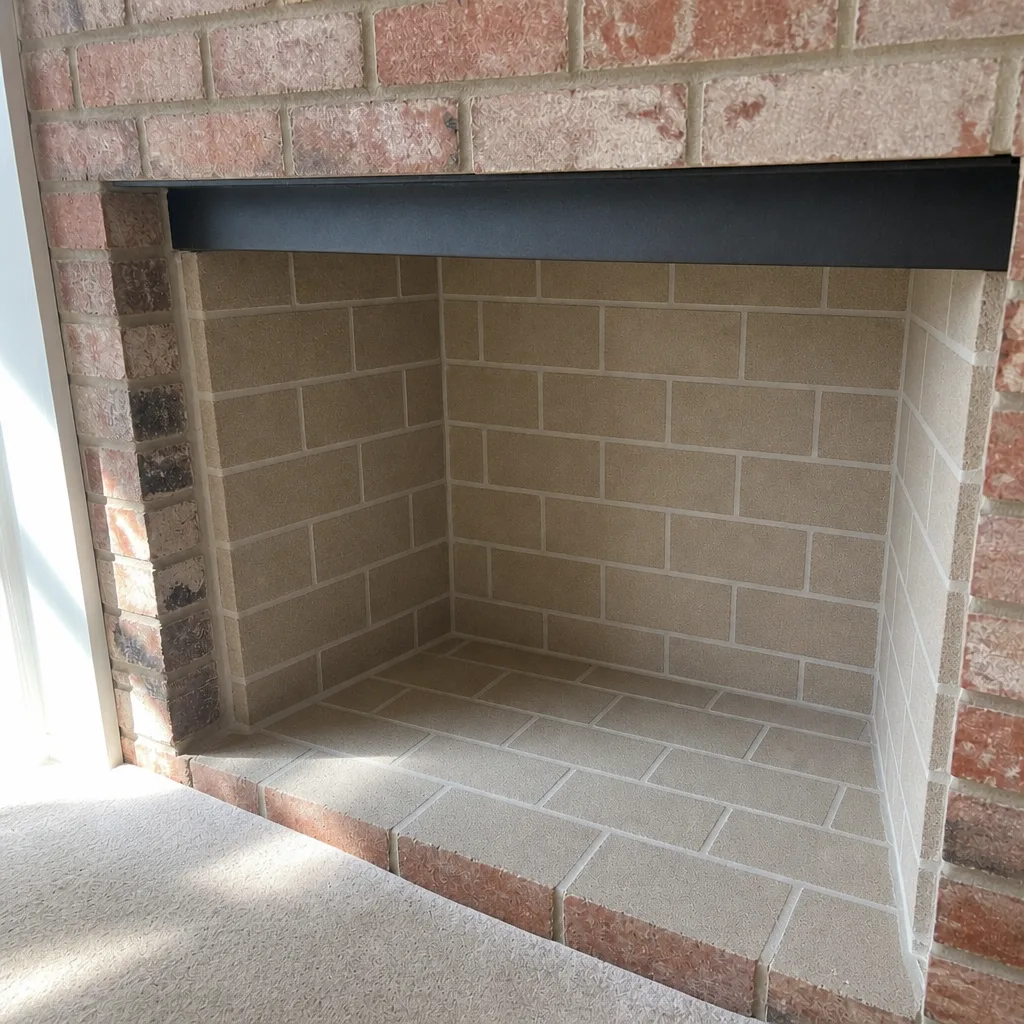 After
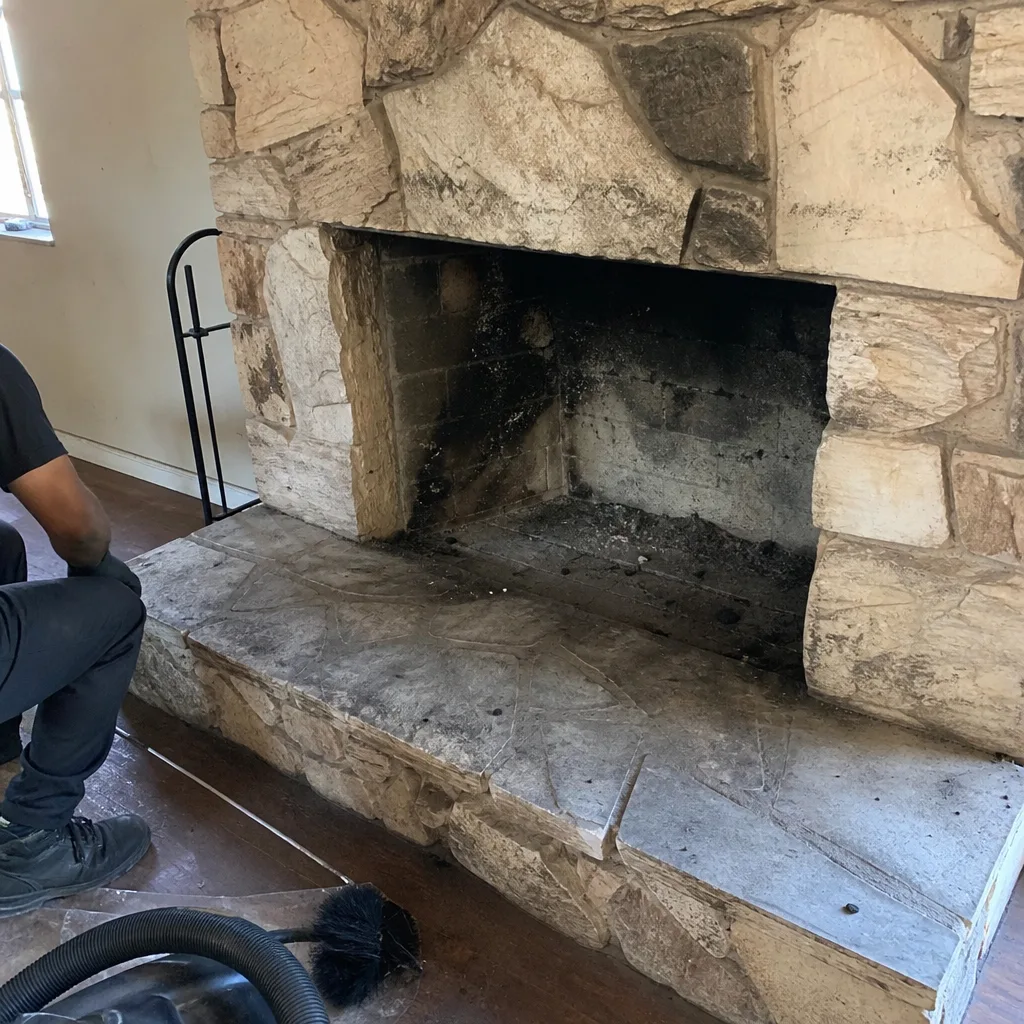 Before
 After
 Before
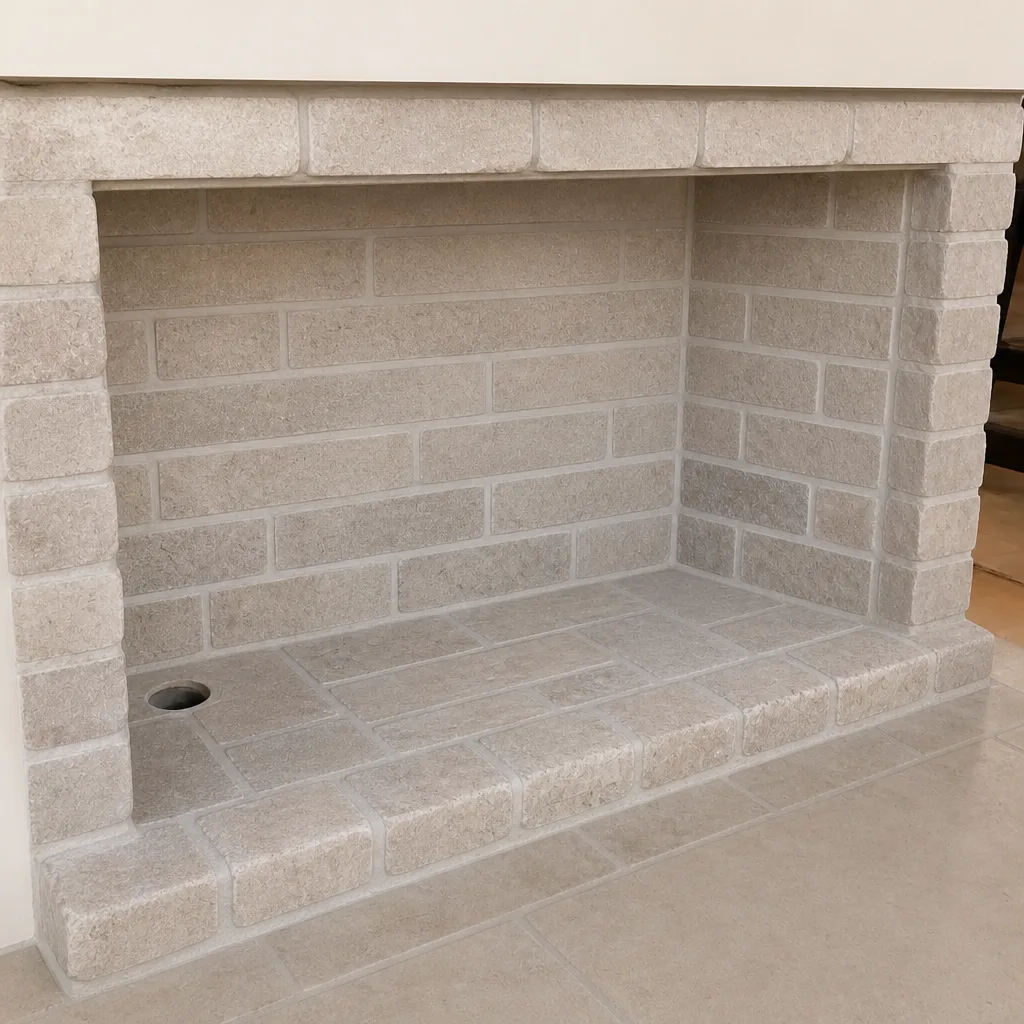 After
HeatShield Products We Service & Install in Fashion District
We service and install the HeatShield flue resurfacing product – the cast-in-place ceramic system applied inside masonry flues – across residential and commercial properties in the Fashion District. Our HeatShield work covers resurfaced clay-tile flues that need recoating after prior damage, Cerfractory coating that’s flaking or cracking, and FireGuard applications for open-face fireboxes and smoke chambers. We also work on flues where the HeatShield CeCure sleeve relining system has been used and needs inspection or remediation. If it’s HeatShield, we can evaluate it, clean it, repair it, or recoat it – and tell you honestly which one the flue actually needs.
We Also Service These Brands
HeatShield is one system we work with, not the only one. We also install and service DuraFlex stainless liner systems and work with Gelco chimney components. If your flue has reached the point where a ceramic recoat won’t hold, a DuraFlex liner is usually the answer, and we’re equipped for that too. One service call covers the full picture.
FAQs – HeatShield Chimney Cleaning Service in Fashion District
Look for gray ceramic flakes in the firebox, hairline cracks you can see at the damper or smoke chamber openings, or visible separation along old tile joints. Those mean the coating is losing bond or has cracked through. The only way to know for sure is a camera inspection of the full flue. We include photo documentation with every Level 2 inspection so you see exactly what’s there before anyone recommends work.
Yes. Sweeping a properly bonded HeatShield surface is safe and routine. The brush won’t damage a coating that’s in good condition. If the coating is already flaking or delaminated, sweeping exposes what was already failing, and we document it with the camera so you know whether it needs repair or can wait. Call (844) 963-3205 for an exact quote – estimates are free.
Flake shedding means the coating never bonded fully to the original clay tile, or it was applied too thin to stay intact. It can also start after an overfire event breaks the bond. The flakes come from the coating separating from the substrate, which then lets creosote wick behind it. The fix starts with removing the loose material and inspecting the full flue to determine the extent before any recoating happens.
It depends on what the inspector or fire code official is looking for. A HeatShield resurfacing can bring an old masonry flue back to usable condition if the underlying tile is sound and the flue dimensions are appropriate for the appliance, but if the tile is cracked through or the flue is badly offset, you’ll likely need a stainless reline instead. We’ll tell you which one actually applies to your flue. If you’re navigating a conversion, we can provide the inspection report and documentation you need for the permit process.
We use the genuine insulating Cerfractory mix and the manufacturer’s application procedures for all HeatShield resurfacing work. A generic refractory cement doesn’t have the same insulating properties, won’t cure to the same thickness, and won’t bond to the existing tile the way the real system does. This is not a place for substitutes.
HeatShield chimney cleaning and inspection in the Fashion District is priced per job, by written estimate, so we can’t give you a flat number before we see the flue. The estimate is free, and the written estimate sets the final price. What changes the scope is the footage of flue, access to the roof, the condition of the existing coating, and whether the property is residential or commercial. Call (844) 963-3205 and we’ll set up the inspection. We answer 24/7. Fast dispatch from 7am to 7pm, Sunday through Friday.
Book Your HeatShield Service in Fashion District, CA
If your HeatShield flue is flaking, cracking, or you just need a straight answer on whether it’s still safe to burn, call (844) 963-3205. We answer 24/7. Fast dispatch from 7am to 7pm, Sunday through Friday. The estimate is free, and you’ll get a direct answer from someone who actually works on these flues, not a sales script.
Written by Duane Quintero, Owner at Fireside Chimney Sweep, serving Fashion District since 2012.